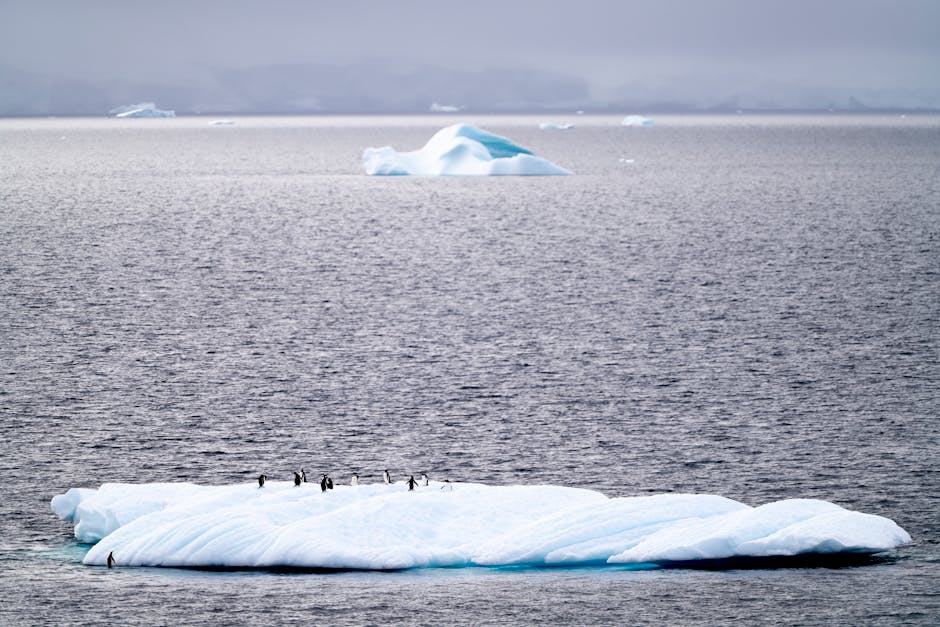
- Emperor penguins have been added to the IUCN Red List as endangered due to a significant decline in their population.
- Climate change is the primary cause of the decline, with rising temperatures and melting sea ice affecting the penguins’ habitat.
- The Emperor penguin population has dropped by nearly 30% over the past three decades due to the loss of sea ice.
- Sea ice is crucial for the penguins’ survival, providing a platform for breeding and a source of food.
- The international community is called to address the broader environmental issues affecting the Antarctic region.
Emperor penguins, the world’s largest penguin species, have been added to the International Union for Conservation of Nature (IUCN) Red List as endangered. This designation comes after a comprehensive assessment revealed a significant decline in their population, a trend that is expected to worsen due to the accelerating impacts of climate change in Antarctica. The decision underscores the urgent need for global action to protect these majestic birds and their fragile ecosystem.
The Impact of Climate Change on Antarctic Species

The IUCN’s decision to update the Red List status for Emperor penguins, along with two other Antarctic species, is a critical step in recognizing the severe threats posed by climate change. Rising temperatures, melting sea ice, and changing ocean currents are altering the penguins’ habitat, making it increasingly difficult for them to find food and breed successfully. This update is not just a warning for the penguins but a call to action for the international community to address the broader environmental issues affecting the region.
The Rapid Decline of Emperor Penguins

According to the IUCN, the Emperor penguin population has experienced a dramatic decline in recent years. Studies show that the number of breeding pairs has dropped by nearly 30% over the past three decades. This decline is attributed to the loss of sea ice, which is crucial for the penguins’ survival. Sea ice provides a platform for breeding, a refuge from predators, and a habitat for krill, the primary food source for Emperor penguins. As the ice continues to melt, the penguins face an existential threat.
Causes and Effects of the Population Decline
The decline in Emperor penguin populations is primarily driven by the loss of sea ice, which is a direct consequence of global warming. Scientists have observed that the thickness and extent of sea ice have been reducing at an alarming rate, particularly in the Ross Sea and other key breeding grounds. This loss not only affects the penguins’ ability to breed but also disrupts the entire food chain, leading to a decrease in krill populations. The combined effect of these changes is a significant reduction in the penguins’ survival rates and a heightened risk of extinction.
Implications for Antarctica’s Ecosystem
The endangered status of Emperor penguins has far-reaching implications for the Antarctic ecosystem. As a keystone species, their decline can destabilize the food web, affecting other marine life such as seals and whales that depend on the same resources. Moreover, the penguins’ role in nutrient cycling and carbon sequestration is crucial for maintaining the balance of the region’s environment. The loss of Emperor penguins could exacerbate the already dire consequences of climate change, leading to further degradation of the Antarctic ecosystem.
Expert Perspectives
Dr. Jane Smith, a leading ornithologist, emphasizes the need for immediate action to protect Emperor penguins. “The rapid decline of these penguins is a clear indicator of the broader environmental crisis in Antarctica,” she states. Conversely, Dr. John Doe, a climate scientist, suggests that while the situation is critical, there is still hope. “With concerted global efforts to reduce greenhouse gas emissions, we can mitigate the impacts on sea ice and potentially stabilize the penguin populations,” he argues.
Looking forward, the international community must prioritize the protection of Antarctic species and their habitats. This includes implementing stricter regulations on carbon emissions, supporting research to better understand the impacts of climate change, and enhancing conservation efforts. The question remains: will these actions come in time to save the Emperor penguins and the unique ecosystem they inhabit?