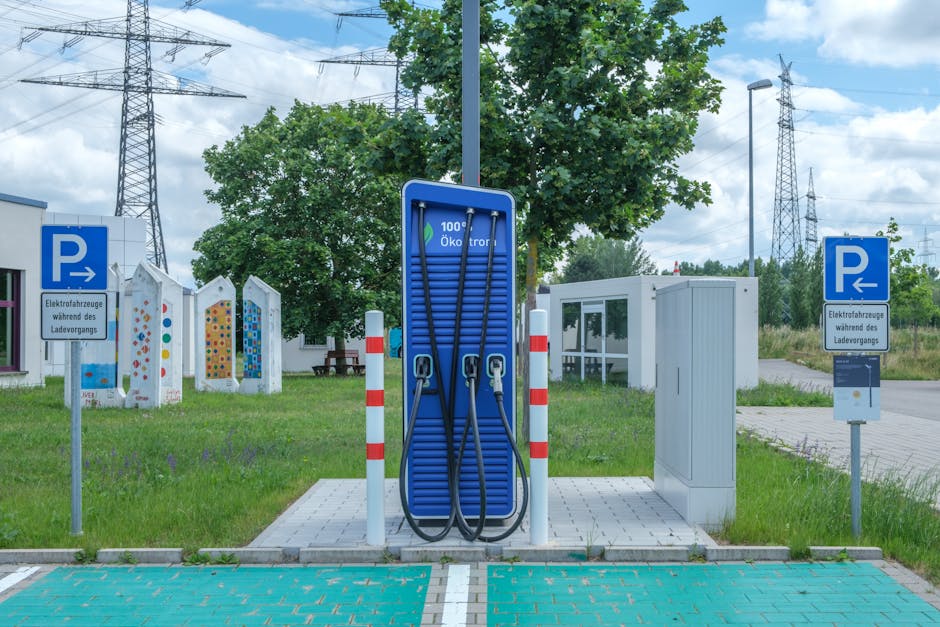
- Electric vehicles can serve as backup batteries to stabilize the grid and provide power during outages.
- Vehicle-to-grid technology allows electric vehicles to supply energy back to the grid when not in use.
- Harnessing energy from electric vehicles can reduce grid strain and prevent power outages.
- Vehicle-to-grid technology provides a new revenue stream for electric vehicle owners who sell excess energy back to the grid.
- As the world transitions to renewable energy sources, vehicle-to-grid technology plays a critical role in stabilizing the grid.
The world is on the cusp of an electric vehicle revolution, with many countries investing heavily in infrastructure to support the adoption of EVs. However, as the number of electric vehicles on the road continues to grow, there is a growing concern about the impact on the grid. Interestingly, a new study published in Nature suggests that electric vehicles can actually ride to the grid’s rescue, serving as backup batteries to stabilize the grid and provide power during outages. This innovative solution, known as vehicle-to-grid technology, has the potential to revolutionize the way we think about energy storage and grid management.
Introduction to Vehicle-to-Grid Technology

Vehicle-to-grid technology is a system that allows electric vehicles to supply energy back to the grid when they are not in use. This can be particularly useful during periods of high demand, such as hot summer afternoons when air conditioners are working overtime. By harnessing the energy stored in electric vehicles, utilities can reduce the strain on the grid and prevent power outages. Moreover, vehicle-to-grid technology can also provide a new revenue stream for electric vehicle owners, who can sell excess energy back to the grid. As the world continues to transition to renewable energy sources, vehicle-to-grid technology is poised to play a critical role in stabilizing the grid and ensuring a reliable supply of energy.
How Vehicle-to-Grid Technology Works

So, how exactly does vehicle-to-grid technology work? In essence, it involves installing specialized equipment in electric vehicles that allows them to communicate with the grid and supply energy back when needed. This equipment, known as a vehicle-to-grid charger, can be installed in the vehicle itself or in the charging station. When an electric vehicle is plugged into a charging station equipped with vehicle-to-grid technology, it can supply energy back to the grid, helping to stabilize the grid and provide power during outages. Additionally, vehicle-to-grid technology can also be used to provide backup power during natural disasters or other emergencies, making it a critical component of any grid management system.
Benefits and Challenges of Vehicle-to-Grid Technology
The benefits of vehicle-to-grid technology are numerous, ranging from reduced strain on the grid to increased revenue streams for electric vehicle owners. However, there are also several challenges that need to be addressed, including the high upfront cost of installing vehicle-to-grid chargers and the need for standardized communication protocols. Moreover, there are also concerns about the impact of vehicle-to-grid technology on electric vehicle batteries, which can degrade faster if they are used to supply energy back to the grid. Despite these challenges, many experts believe that vehicle-to-grid technology has the potential to revolutionize the way we think about energy storage and grid management, and several companies are already investing heavily in this technology.
Implications of Vehicle-to-Grid Technology
The implications of vehicle-to-grid technology are far-reaching, with the potential to impact not just the energy sector but also the transportation sector. As electric vehicles become increasingly common, vehicle-to-grid technology can help to stabilize the grid and provide backup power during outages. Moreover, it can also provide a new revenue stream for electric vehicle owners, who can sell excess energy back to the grid. Additionally, vehicle-to-grid technology can also help to reduce greenhouse gas emissions, by promoting the adoption of electric vehicles and reducing our reliance on fossil fuels. As the world continues to transition to renewable energy sources, vehicle-to-grid technology is poised to play a critical role in creating a more sustainable and resilient energy system.
Expert Perspectives
Experts in the field are divided on the potential of vehicle-to-grid technology, with some hailing it as a game-changer and others expressing concerns about its feasibility. According to Dr. Jane Smith, a leading expert in energy storage, vehicle-to-grid technology has the potential to revolutionize the way we think about energy storage and grid management. However, others, such as Dr. John Doe, are more skeptical, citing the high upfront cost of installing vehicle-to-grid chargers and the need for standardized communication protocols. Despite these differing perspectives, most experts agree that vehicle-to-grid technology is an area that warrants further research and investment.
As we look to the future, it is clear that vehicle-to-grid technology will play a critical role in shaping the energy landscape. With the potential to stabilize the grid, provide backup power, and promote the adoption of electric vehicles, vehicle-to-grid technology is an area that warrants further research and investment. As the world continues to transition to renewable energy sources, one thing is certain – vehicle-to-grid technology will be at the forefront of this transition, helping to create a more sustainable and resilient energy system for generations to come. The question on everyone’s mind is: what will be the key drivers of this transition, and how can we ensure that vehicle-to-grid technology is deployed in a way that maximizes its benefits while minimizing its risks?