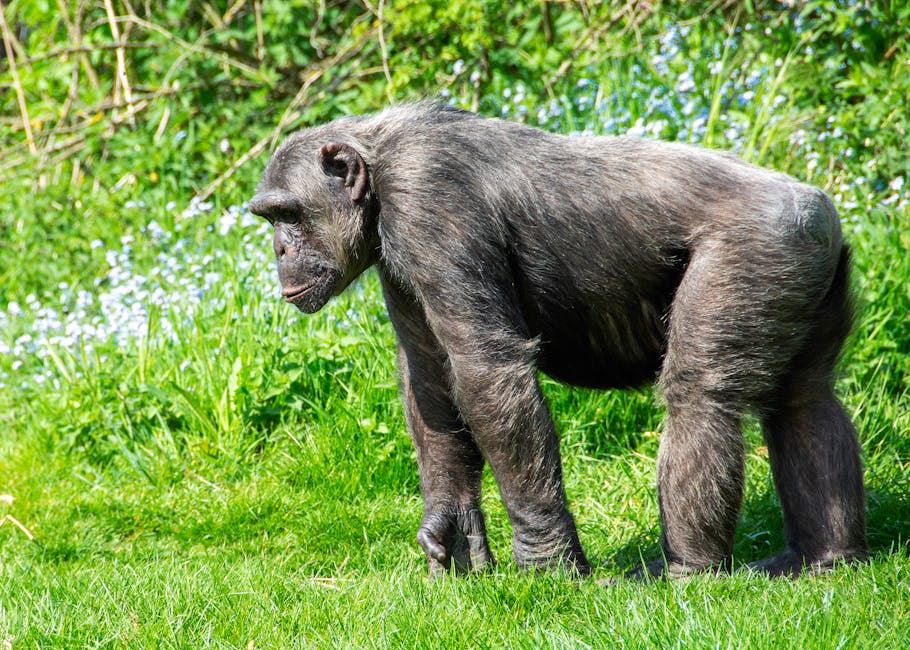
- Researchers have discovered an 8-year ‘civil war’ among chimpanzees in Uganda’s national parks, resulting in numerous chimp deaths and concerns about primate behavior and conservation.
- The conflict began when a group of chimps split from the main troop, leading to a prolonged and bloody feud over resources and territory.
- The chimpanzees’ social structure, habitat, and access to resources have been identified as factors contributing to their aggressive behavior.
- The conflict has resulted in a significant impact on the health and well-being of the troop, with numerous chimp deaths and increased aggression.
- The findings have significant implications for our understanding of primate behavior and the conservation of chimpanzee populations.
In a stunning revelation, researchers have uncovered an eight-year ‘civil war’ among chimpanzees in Uganda’s national parks, with the conflict resulting in the deaths of numerous chimps and sparking concerns about primate behavior and conservation. The study, which has been ongoing since 2014, has shed light on the complex social dynamics of chimpanzees and the factors that contribute to their aggressive behavior. According to the researchers, the conflict began when a group of chimps split from the main troop, leading to a prolonged and bloody feud. The findings have significant implications for our understanding of primate behavior and the conservation of chimpanzee populations.
The Roots of the Conflict

The civil war among the chimpanzees in Uganda is a complex phenomenon that has been influenced by a variety of factors, including the chimps’ social structure, habitat, and access to resources. Researchers believe that the conflict began when a group of chimps, led by a dominant male, split from the main troop in search of better food sources and mating opportunities. However, the split also led to a significant increase in aggression and violence, as the two groups competed for resources and territory. The researchers have been monitoring the conflict, which has resulted in the deaths of numerous chimps and has had a significant impact on the overall health and well-being of the troop.
Key Players and Events

The conflict among the chimpanzees in Uganda has involved several key players, including the dominant male who led the split from the main troop. The dominant male, who has been identified as the primary aggressor, has been responsible for many of the attacks on the main troop. The researchers have also identified several other chimps who have played important roles in the conflict, including a group of females who have formed alliances with the dominant male. The conflict has been marked by numerous violent incidents, including attacks on chimps who have been caught alone or in small groups. The researchers have also reported that the conflict has had a significant impact on the chimps’ behavior, with many of them becoming more aggressive and fearful.
Causes and Consequences
The civil war among the chimpanzees in Uganda has significant implications for our understanding of primate behavior and the conservation of chimpanzee populations. The conflict has been driven by a combination of factors, including the chimps’ social structure, habitat, and access to resources. The researchers believe that the conflict has been exacerbated by the chimps’ limited access to food and water, as well as the fragmentation of their habitat. The conflict has also had a significant impact on the overall health and well-being of the troop, with many chimps suffering from injuries and stress-related illnesses. The researchers are working to develop strategies to mitigate the conflict and promote the conservation of chimpanzee populations.
Implications and Concerns
The civil war among the chimpanzees in Uganda has significant implications for the conservation of primate populations and the management of national parks. The conflict has highlighted the need for more effective conservation strategies, including the protection of habitats and the management of resources. The researchers are also concerned about the potential impact of the conflict on the genetic diversity of the chimps, as well as the potential for the conflict to spread to other troops. The findings of the study have significant implications for our understanding of primate behavior and the conservation of chimpanzee populations, and highlight the need for ongoing research and monitoring of primate populations.
Expert Perspectives
Experts in the field of primate behavior and conservation have weighed in on the civil war among the chimpanzees in Uganda, with some expressing concern about the implications of the conflict for the conservation of primate populations. ‘The conflict among the chimpanzees in Uganda is a significant concern, as it highlights the complex social dynamics of primates and the need for effective conservation strategies,’ said one expert. ‘The findings of the study have significant implications for our understanding of primate behavior and the conservation of chimpanzee populations, and highlight the need for ongoing research and monitoring of primate populations.’
As the conflict among the chimpanzees in Uganda continues to unfold, researchers and conservationists are left to wonder what the future holds for these intelligent and social animals. Will the conflict eventually subside, or will it continue to escalate, with potentially devastating consequences for the troop? The answer to this question remains to be seen, but one thing is certain: the civil war among the chimpanzees in Uganda has significant implications for our understanding of primate behavior and the conservation of chimpanzee populations, and highlights the need for ongoing research and monitoring of primate populations.