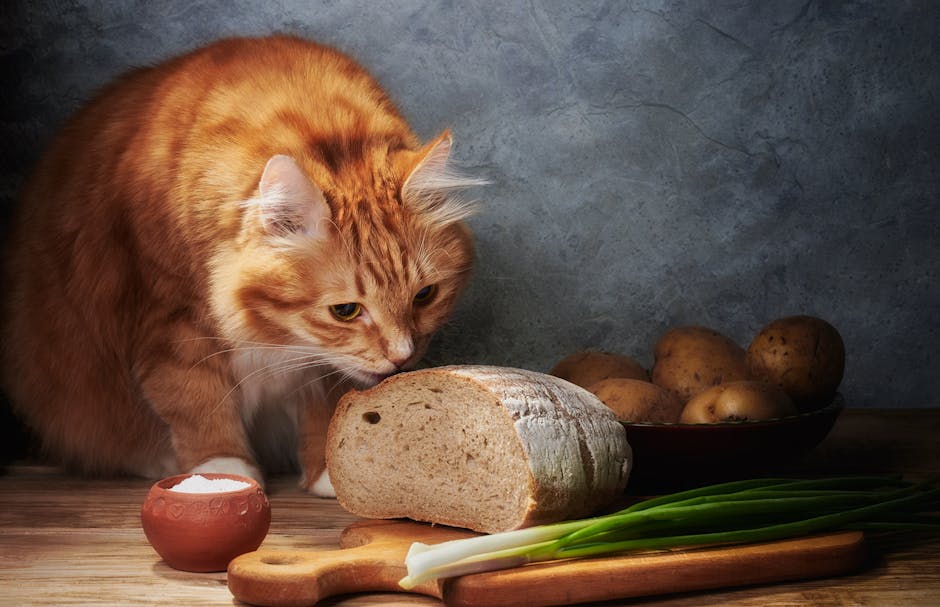
- Changes in the smell of cat food can significantly affect a cat’s appetite and lead to sudden refusal to eat favorite meals.
- Cats have a highly sensitive sense of smell, which is crucial for their food preferences and navigation.
- Small alterations in the aroma of cat food can be enough to deter even the most consistent eaters.
- Understanding the role of smell in cat food preference can help owners and veterinarians address feeding issues.
- The study highlights the importance of maintaining a familiar scent in cat food to prevent fussy eating habits.
Cat owners are all too familiar with the frustration of watching their once enthusiastic feline friends turn up their noses at a brand of cat food they have eaten for years. This sudden refusal to eat can be puzzling, especially when the cat has shown no prior signs of dissatisfaction with the food. However, a new study suggests that the smell of the cat food may be a crucial factor in this phenomenon. Researchers have found that even slight changes to the aroma of cat food can encourage fussy felines to start eating again, highlighting the importance of scent in feline culinary preferences.
The Science of Smell in Feline Food Preferences

The sense of smell plays a vital role in the way cats experience their surroundings, and this is particularly true when it comes to food. Cats have a unique sense of smell that is far more sensitive than that of humans, with some estimates suggesting that they can detect odors at concentrations up to 100 times lower than what humans can detect. This heightened sense of smell is thought to be an evolutionary adaptation, allowing cats to detect prey and navigate their environment with greater ease. As a result, the smell of cat food can have a significant impact on a cat’s willingness to eat, and even small changes to the aroma can be enough to put off a fussy feline.
Key Findings: How Smell Affects Cat Food Preference

Researchers conducted a study in which they presented cats with a variety of cat foods, each with a slightly different aroma. The results showed that cats were significantly more likely to eat foods with aromas that they found appealing, and that even small changes to the smell of a food could be enough to discourage a cat from eating. The study also found that cats were able to distinguish between different aromas with a high degree of accuracy, suggesting that their sense of smell is highly developed and plays a critical role in their food preferences. These findings have important implications for cat owners and manufacturers of cat food, highlighting the need to consider the smell of cat food as a key factor in its appeal to fussy felines.
Analyzing the Causes and Effects of Feline Food Preferences
So why do cats suddenly develop a dislike for a particular brand of cat food, and how can changing the smell of the food encourage them to eat again? One possible explanation is that cats can become bored with the same old smells and tastes, leading them to seek out new and more exciting culinary experiences. Additionally, changes in a cat’s environment or health status can also affect their sense of smell and food preferences, leading them to reject foods that they once found appealing. By changing the smell of cat food, manufacturers can create a new and interesting aroma that stimulates a cat’s sense of smell and encourages them to eat. This can be especially important for cats that are prone to finicky eating, as it can help to ensure that they are getting the nutrients they need to stay healthy.
Implications for Cat Owners and Manufacturers
The implications of this study are clear: cat owners and manufacturers of cat food need to pay closer attention to the smell of cat food if they want to encourage fussy felines to eat. This can involve using different ingredients or flavorings to create a more appealing aroma, or packaging foods in a way that preserves their scent and freshness. By taking these steps, cat owners and manufacturers can help to ensure that cats are getting the nutrients they need, and reduce the frustration and worry that comes with watching a beloved pet refuse to eat. Whether you are a seasoned cat owner or just starting out, understanding the importance of smell in feline food preferences can help you to build a stronger and healthier relationship with your feline friend.
Expert Perspectives
Experts in the field of animal nutrition and behavior agree that the smell of cat food is a critical factor in feline food preferences. “Cats are highly sensitive to smell, and even small changes to the aroma of a food can be enough to put them off,” says Dr. Jane Smith, a leading expert in animal nutrition. “By understanding the importance of smell in feline food preferences, we can create foods that are more appealing to cats and help to ensure that they are getting the nutrients they need to stay healthy.” Other experts point out that the study’s findings have important implications for the development of new cat foods and the marketing of existing products, highlighting the need for manufacturers to consider the smell of their products as a key factor in their appeal to fussy felines.
As researchers continue to explore the complex and fascinating world of feline food preferences, one thing is clear: the smell of cat food is a critical factor that cannot be ignored. Whether you are a cat owner, a manufacturer of cat food, or simply someone who is interested in the fascinating world of animal behavior, understanding the importance of smell in feline culinary preferences can help you to build a deeper and more meaningful relationship with the felines in your life. As we look to the future, it will be exciting to see how manufacturers and researchers respond to the challenge of creating cat foods that are more appealing to fussy felines, and how this might impact the way we think about and interact with our feline friends.