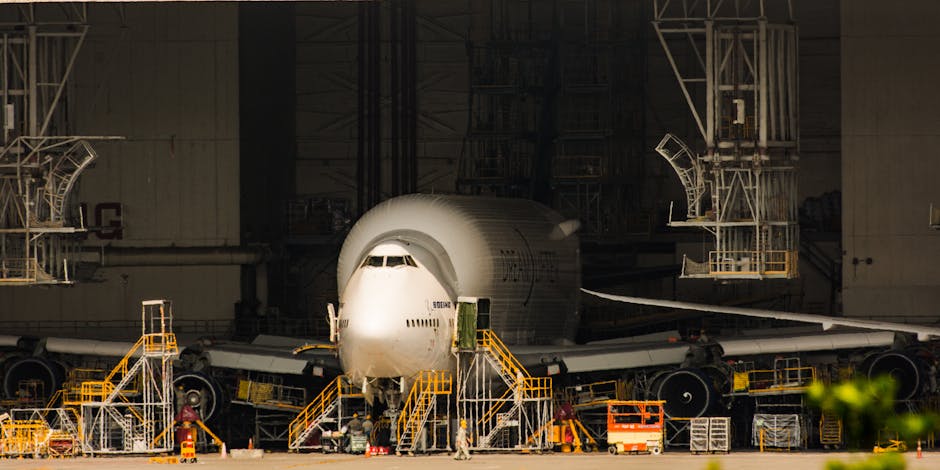
- The SLS rocket, designed for the Artemis program, has seen its cost per launch skyrocket to $4 billion, four times the initial estimate.
- Budget constraints and repeated delays in the SLS program have raised significant doubts about its viability and the overall efficiency of the program.
- Critics are questioning the necessity of the SLS given the project’s escalating costs and the delays affecting the Artemis missions.
- The current target for the SLS rocket launch has been postponed multiple times, with the latest set for 2021, raising concerns about the program’s timeline.
- The scrutiny of the SLS program is now a focal point within Trump’s NASA, with the agency facing pressure to address cost overruns and delays.
The Space Launch System (SLS), Boeing’s colossal rocket designed to propel astronauts to the moon and beyond, is now at the center of a contentious debate within the Trump administration and NASA. The rocket, which has been the cornerstone of the Artemis program, has seen its cost estimates balloon to approximately $4 billion per launch, a figure that is not only four times higher than initially projected but also significantly straining the agency’s budget. This staggering increase in costs, coupled with repeated delays, has led to a growing chorus of critics questioning the viability and necessity of the SLS program.
The Cost Crisis of the SLS Rocket

The development of the SLS rocket has been fraught with financial and logistical challenges. When the project was first announced in 2011, NASA estimated that each launch would cost around $1 billion. However, recent audits and internal reviews have revealed that the actual cost per launch has surged to about $4 billion. This discrepancy has raised eyebrows and sparked a broader discussion about the efficiency and oversight of major space projects. The Artemis missions, which aim to return humans to the moon by 2024, are now under threat as the SLS rocket’s cost overruns and delays continue to mount. The project, which was initially scheduled to launch in 2017, has been pushed back multiple times, with the latest target set for 2021.
The Role of the SLS in the Artemis Program

The SLS rocket is a critical component of NASA’s Artemis program, which seeks to establish a sustainable human presence on the moon and eventually send astronauts to Mars. The rocket is designed to be the most powerful ever built, capable of carrying heavy payloads and crewed missions to deep space. However, the rocket’s development has been plagued by a series of issues, including technical challenges, management problems, and budget constraints. The primary contractors, Boeing and Aerojet Rocketdyne, have been unable to meet the ambitious timelines set by NASA, leading to significant delays and cost overruns. The Artemis I mission, which is an uncrewed test flight, has been repeatedly postponed, and the Artemis II and III missions, which are crewed, are now in jeopardy.
Financial and Operational Challenges
The financial and operational challenges facing the SLS rocket are multifaceted. The primary cause of the cost overruns is the complexity of the rocket’s design and the scale of the project. The SLS is a massive undertaking, involving the integration of multiple systems and technologies, some of which are untested. Additionally, the project has faced management issues, with multiple changes in leadership and a lack of clear direction. According to a report by the Government Accountability Office (GAO), the SLS program has experienced significant delays due to technical issues, supply chain disruptions, and workforce challenges. These factors have not only increased the cost of the rocket but have also raised questions about its long-term sustainability and the feasibility of the Artemis program.
Implications for NASA and the Space Industry
The mounting costs and delays of the SLS rocket have far-reaching implications for NASA and the broader space industry. For NASA, the project’s financial strain is diverting resources from other critical initiatives, such as Earth science research and the development of commercial spaceflight capabilities. The agency is now under pressure to reassess its priorities and potentially scale back or restructure the Artemis program. For the space industry, the SLS’s struggles highlight the risks and challenges associated with large, government-led space projects. Private companies like SpaceX and Blue Origin, which have been developing their own heavy-lift rockets, may see this as an opportunity to offer more cost-effective solutions to NASA and other space agencies.
Expert Perspectives
Experts in the space industry have offered contrasting views on the SLS rocket’s future. Some argue that the project is essential for deep space exploration and that the high costs are justified by the technological advancements and the potential for future missions. Dr. John Logsdon, a space policy expert at George Washington University, stated, “The SLS is a unique asset that will enable missions to the moon and Mars that would be difficult or impossible with existing commercial rockets.” Others, however, believe that the SLS is a relic of a bygone era and that private sector innovations are the way forward. Dr. Scott Pace, director of the Space Policy Institute, noted, “The private sector is rapidly advancing, and NASA should consider leveraging these capabilities to achieve its goals more efficiently.”
As the debate over the SLS rocket continues, the Trump administration and NASA will need to make difficult decisions. Will they continue to support the costly and delayed SLS program, or will they pivot to more cost-effective alternatives? The coming months will be crucial in determining the future of the Artemis missions and the broader direction of U.S. space exploration.