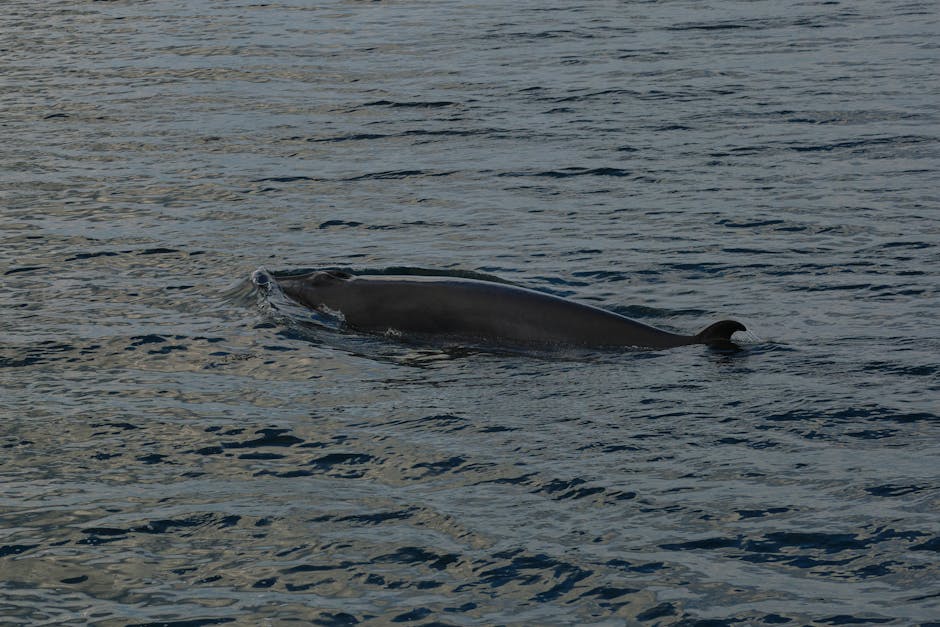
- A young gray whale, dubbed Willapa Willy, swam up the Willapa River in Washington state, sparking concern about marine mammal welfare.
- Experts believe Willapa Willy’s journey was likely due to hunger, highlighting challenges faced by gray whales in their natural habitats.
- The incident underscores the need for continued research and conservation efforts to protect gray whales.
- Gray whales typically migrate along the coast, feeding on plankton and small crustaceans in the ocean.
- Climate change may lead to more frequent incidents of marine mammals venturing into shallow waters or rivers in search of food.
A startling sight greeted residents of Washington state when a young gray whale, later dubbed Willapa Willy, was spotted swimming up the Willapa River. The whale’s journey, which ended in tragedy, has sparked concern and raised questions about the welfare of these marine mammals. According to experts, the likely reason for Willapa Willy’s ill-fated adventure was hunger, highlighting the challenges faced by gray whales in their natural habitats. The incident has also underscored the need for continued research and conservation efforts to protect these incredible creatures.
The Unusual Journey of Willapa Willy

The appearance of a gray whale in a river is an unusual occurrence, and Willapa Willy’s journey was closely monitored by wildlife experts and local residents. Gray whales typically migrate along the coast, feeding on plankton and small crustaceans in the ocean. However, it is not uncommon for them to venture into shallow waters or rivers in search of food, particularly during periods of scarcity. The fact that Willapa Willy, a young and presumably healthy individual, felt compelled to swim up the Willapa River suggests that hunger may have been a significant factor. As the world’s oceans continue to face the impacts of climate change, such incidents may become more frequent, making it essential to understand the complex relationships between marine life, their habitats, and the effects of human activities.
Investigating the Circumstances of Willapa Willy’s Death

Following the discovery of Willapa Willy’s body, a team of scientists and wildlife experts conducted a thorough investigation to determine the cause of death. While the exact circumstances are still being analyzed, preliminary findings suggest that the whale’s demise was likely linked to its inability to find sufficient food in the river. Gray whales are adapted to feed in the ocean, and the freshwater environment of the river would not have provided the necessary nutrients for survival. Furthermore, the physical exertion of navigating through the river, combined with the potential for dehydration, would have further compromised the whale’s health. The investigation serves as a critical opportunity to learn more about the challenges faced by gray whales and to inform future conservation strategies.
Understanding the Broader Implications
The death of Willapa Willy has significant implications for our understanding of the health and resilience of gray whale populations. As the ocean’s ecosystem continues to be impacted by human activities, including overfishing, pollution, and climate change, the availability of food resources for marine mammals is becoming increasingly unpredictable. This unpredictability can lead to malnutrition, increased mortality rates, and decreased reproductive success, ultimately threatening the long-term survival of species like the gray whale. By studying incidents like Willapa Willy’s and analyzing the broader environmental context, scientists can better comprehend the complex interactions at play and develop more effective conservation measures to mitigate these impacts.
Impacts on Local Ecosystems and Communities
The journey and subsequent death of Willapa Willy also have implications for local ecosystems and communities. The presence of a whale in a river, although rare, can have unforeseen effects on the local marine and terrestrial environments. For example, the introduction of a large marine mammal into a freshwater ecosystem can disrupt the balance of native species and potentially lead to the spread of invasive species. Moreover, such events can captivate local communities, raising awareness about marine conservation and the importance of protecting these incredible creatures and their habitats. As communities and scientists alike reflect on Willapa Willy’s story, there is a renewed emphasis on the interconnectedness of marine and terrestrial ecosystems and the need for holistic conservation approaches.
Expert Perspectives
Experts in marine biology and conservation have offered contrasting viewpoints on the implications of Willapa Willy’s death. Some emphasize the need for immediate action to address the root causes of food scarcity for gray whales, such as implementing more stringent regulations on fishing practices and reducing marine pollution. Others suggest that the incident highlights the complexity of ecosystem interactions and the need for continued research into the impacts of climate change on marine life. Despite these differing perspectives, there is a consensus on the importance of learning from Willapa Willy’s journey and applying those lessons to enhance the conservation of gray whales and their habitats.
Looking forward, the story of Willapa Willy serves as a poignant reminder of the challenges faced by marine mammals in a rapidly changing world. As scientists, policymakers, and the general public reflect on this incident, there is an open question regarding the future of gray whale conservation. What strategies will be most effective in ensuring the long-term survival of these species? How can human activities be balanced with the need to protect marine ecosystems? The answers to these questions will require collaborative efforts, ongoing research, and a commitment to preserving the beauty and biodiversity of our planet’s oceans.