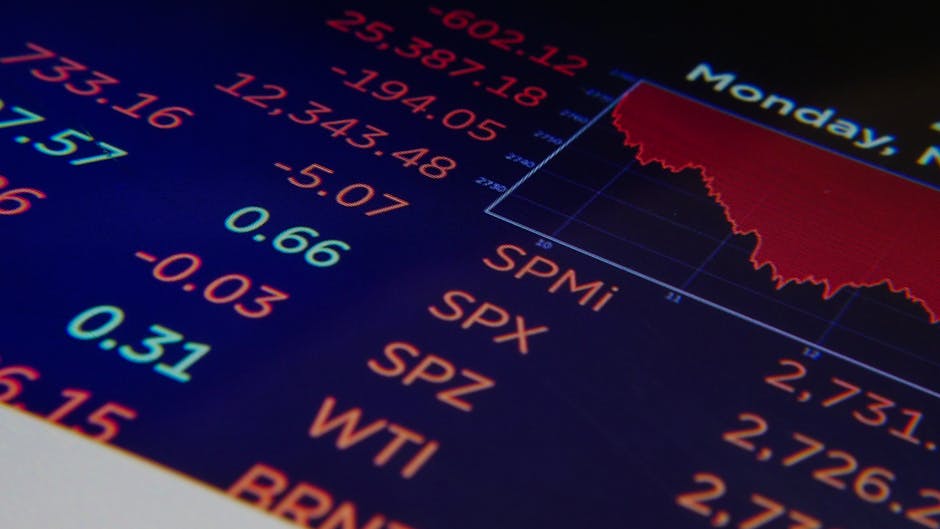
- US inflation surged to 3.3% in March, driven by record-high gas prices.
- Rise in inflation sparks concerns among economists and policymakers about the economy’s health.
- Strong consumer demand and supply chain disruptions contribute to higher inflation rates.
- The US economy’s strong rebound since the pandemic has led to increased production costs.
- Understanding the drivers of inflation is crucial for long-term economic sustainability.
The US inflation rate has surged to 3.3% in March, marking a significant increase from the previous month. This striking fact has raised concerns among economists and policymakers, as it may impact the overall health of the economy. The rise in inflation is largely attributed to the surge in gas prices, which have reached record highs. As a result, consumers are feeling the pinch, and businesses are facing increased production costs. The inflation rate is a key indicator of the economy’s performance, and its recent increase has sparked a heated debate about the future of monetary policy.
Understanding the Current Economic Landscape

The current economic landscape is complex, with multiple factors contributing to the rise in inflation. The ongoing pandemic has led to supply chain disruptions, resulting in higher production costs and reduced availability of certain goods. Additionally, the recent surge in consumer demand has put upward pressure on prices. The US economy has experienced a strong rebound since the pandemic, with low unemployment rates and increased consumer spending. However, this growth has also led to higher inflation, which may impact the economy’s long-term sustainability. As the economy continues to evolve, it is essential to understand the underlying factors driving inflation and their potential implications.
Key Drivers of Inflation

The key drivers of inflation are multifaceted, involving both domestic and international factors. The surge in gas prices is a primary contributor, driven by the ongoing conflict in the Middle East and increased demand from emerging economies. Furthermore, the rise in housing costs, particularly rent, has also played a significant role in driving inflation. The US Federal Reserve has been closely monitoring the situation, adjusting interest rates to mitigate the impact of inflation on the economy. The recent increase in inflation has also led to a decline in consumer confidence, as households face reduced purchasing power and increased living costs. As the situation continues to unfold, it is crucial to identify the key drivers of inflation and develop effective strategies to address them.
Analyzing the Impact of Inflation
The impact of inflation is far-reaching, affecting various sectors of the economy and society. The rise in inflation has led to increased production costs for businesses, resulting in higher prices for consumers. This, in turn, has reduced consumer purchasing power, particularly for low-income households. The inflation rate has also affected the value of savings, as the rising cost of living erodes the value of money over time. Experts have warned that if left unchecked, high inflation can lead to reduced economic growth, increased unemployment, and decreased standards of living. Therefore, it is essential to develop effective policies to manage inflation and mitigate its negative consequences.
Implications for the US Economy
The implications of the rising inflation rate are significant, with potential consequences for the US economy. The increase in inflation may lead to higher interest rates, reducing borrowing and spending. This, in turn, can slow down economic growth, impacting businesses and households alike. The rise in inflation has also led to increased uncertainty, making it challenging for investors and consumers to make informed decisions. As the US economy continues to navigate the complexities of inflation, it is crucial to develop strategies to address its impact and ensure sustainable economic growth.
Expert Perspectives
Experts have offered contrasting viewpoints on the current inflation situation, with some arguing that the rise in inflation is a temporary phenomenon, while others believe it is a more persistent issue. Some economists have suggested that the US Federal Reserve should increase interest rates to combat inflation, while others argue that this approach may lead to reduced economic growth. The debate highlights the complexity of the issue, with no clear consensus on the best course of action. As the situation continues to evolve, it is essential to consider the perspectives of experts and develop effective policies to address the challenges posed by inflation.
Looking ahead, the future of inflation remains uncertain, with many open questions. Will the US Federal Reserve be able to successfully manage inflation, or will it continue to rise? How will the ongoing pandemic and global events impact the economy, and what will be the consequences for inflation? As the world continues to navigate the complexities of the economy, it is crucial to stay informed and adapt to the changing landscape. The coming months will be critical in determining the trajectory of inflation and its impact on the US economy, making it essential to monitor the situation closely and develop effective strategies to address its challenges.