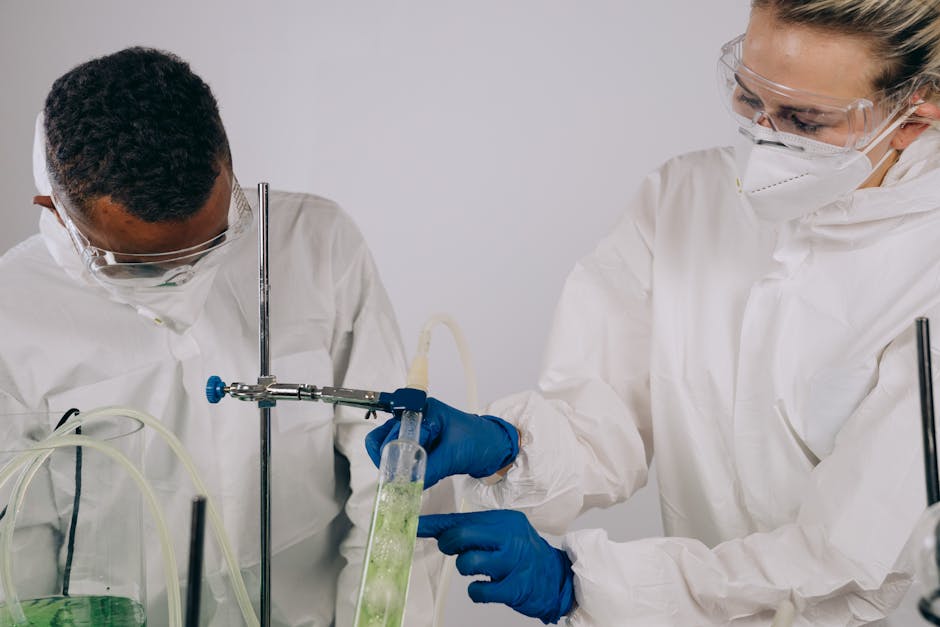
A striking discovery has been made in the realm of air pollution, as scientists have detected an unusual airborne toxin in the United States for the first time. The toxin, known as medium-chain chlorinated paraffins (MCCPs), has been found to be drifting through the air in the Western Hemisphere, leaving researchers to ponder the potential sources and implications of this finding. With MCCPs being known to have adverse effects on human health and the environment, this discovery has sparked concerns among experts and the general public alike. The detection of MCCPs in the air has also raised questions about the effectiveness of current regulations and the need for further research into the causes and effects of this toxic substance.
The Discovery and Its Significance

The discovery of MCCPs in the air is a significant finding, as it highlights the complexities and challenges of addressing air pollution. Scientists had been searching for clues to better understand the sources and effects of air pollution when they stumbled upon the presence of MCCPs. The fact that MCCPs have been detected in the air for the first time in the Western Hemisphere suggests that there may be a previously unknown or unaccounted-for source of this toxin. The likely source of MCCPs, fertilizer made from sewage sludge, points to a hidden route for contamination that had not been previously considered. This discovery matters now, as it underscores the need for continued research and monitoring of air pollution to ensure the protection of public health and the environment.
Uncovering the Source of MCCPs

Researchers believe that the likely source of MCCPs is fertilizer made from sewage sludge, which is used in agricultural practices. The use of sewage sludge as a fertilizer has been a topic of debate, with some arguing that it is a valuable resource that can help reduce waste and promote sustainable agriculture. However, others have raised concerns about the potential risks associated with the use of sewage sludge, including the presence of toxic substances like MCCPs. The detection of MCCPs in the air has brought attention to the need for stricter regulations and safety protocols when it comes to the use of sewage sludge as a fertilizer. As the investigation into the source of MCCPs continues, it is likely that more information will come to light about the extent of this problem and the measures that can be taken to address it.
Understanding the Impacts of MCCPs
The presence of MCCPs in the air has significant implications for human health and the environment. MCCPs have been shown to have adverse effects on human health, including cancer and reproductive problems. The environmental impacts of MCCPs are also a concern, as they can persist in the environment for long periods of time and accumulate in the food chain. The detection of MCCPs in the air has raised questions about the effectiveness of current regulations and the need for further research into the causes and effects of this toxic substance. Experts are analyzing data and studying the effects of MCCPs to better understand the scope of the problem and to develop strategies for mitigating its impacts. As more information becomes available, it is likely that there will be a greater understanding of the risks associated with MCCPs and the measures that can be taken to protect public health and the environment.
Implications and Next Steps
The detection of MCCPs in the air has significant implications for a wide range of stakeholders, including farmers, policymakers, and the general public. The fact that MCCPs have been found in the air for the first time in the Western Hemisphere suggests that there may be a need for revised regulations and safety protocols to protect public health and the environment. The use of fertilizer made from sewage sludge is a common practice in many parts of the world, and the detection of MCCPs in the air raises questions about the safety of this practice. As experts continue to study the impacts of MCCPs, it is likely that there will be a greater understanding of the risks associated with this toxic substance and the measures that can be taken to mitigate its effects.
Expert Perspectives
Experts in the field of environmental science and public health are weighing in on the discovery of MCCPs in the air, with some expressing concern about the potential risks associated with this toxic substance. Others are highlighting the need for further research and monitoring to better understand the causes and effects of MCCPs. There are contrasting viewpoints on the issue, with some arguing that the use of fertilizer made from sewage sludge is a necessary practice that can help reduce waste and promote sustainable agriculture. However, others are calling for stricter regulations and safety protocols to protect public health and the environment. As the debate continues, it is likely that there will be a greater understanding of the implications of MCCPs and the measures that can be taken to address this problem.
Looking to the future, there are many questions that remain to be answered about the detection of MCCPs in the air. What are the long-term impacts of MCCPs on human health and the environment? How can the use of fertilizer made from sewage sludge be made safer and more sustainable? What role can policymakers and regulators play in addressing the problem of MCCPs? As experts continue to study the effects of MCCPs and develop strategies for mitigating its impacts, it is likely that there will be a greater understanding of the risks associated with this toxic substance and the measures that can be taken to protect public health and the environment. One thing is certain, however: the detection of MCCPs in the air is a significant finding that highlights the need for continued research and monitoring of air pollution to ensure the protection of public health and the environment.