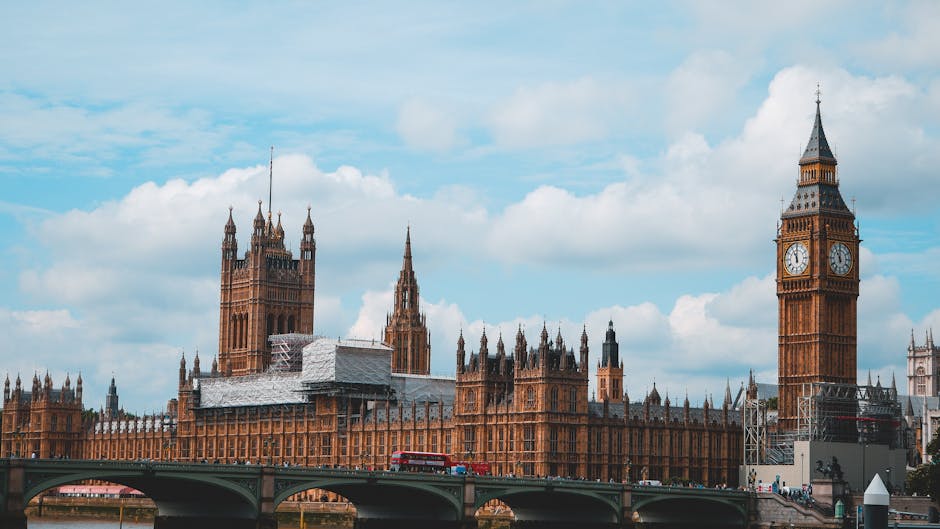
- UK Prime Minister Keir Starmer is seeking new allies amid strained US ties due to dissatisfaction with the US president’s leadership.
- The UK is shifting its foreign policy to strengthen ties with European nations and Middle Eastern countries.
- The UK’s decision to forge new alliances is a response to the changing global landscape and the need to diversify relationships.
- The UK can no longer rely solely on the US, and must build a more nuanced and multifaceted foreign policy.
- Starmer’s move is a pragmatic response to the challenges posed by Brexit and global nationalism.
The special relationship between the UK and the US has long been a cornerstone of British foreign policy, but with the current state of affairs, Prime Minister Keir Starmer is finding it increasingly difficult to maintain a strong alliance with the Trump administration. According to recent polls, over 70% of Britons have expressed dissatisfaction with the US president’s leadership, and it appears that Starmer is taking note. In a significant shift in foreign policy, the UK prime minister is now seeking to strengthen ties with other European nations and Middle Eastern countries, in a move that is being seen as a clear indication of the UK’s growing frustration with the US.
A New Era in UK Foreign Policy

The UK’s decision to forge new alliances comes at a time when the country is navigating uncharted territory, both domestically and internationally. With the ongoing Brexit saga and the rise of global nationalism, the UK is facing unprecedented challenges that require a fresh approach to foreign policy. Starmer’s move to strengthen ties with other nations is a pragmatic response to the changing global landscape, and one that acknowledges the need for the UK to diversify its relationships and reduce its reliance on the US. As one senior government official noted, “the UK can no longer afford to put all its eggs in one basket,” and must instead seek to build a more nuanced and multifaceted foreign policy.
Key Developments in UK-European Relations

In recent months, the UK has made significant strides in strengthening its ties with European nations, including Germany, France, and Italy. Starmer has held a series of high-level meetings with European leaders, during which they have discussed a range of issues, from trade and security to climate change and migration. The UK has also announced plans to increase its contribution to European defense initiatives, in a move that is seen as a clear demonstration of its commitment to European security. Furthermore, the UK has been actively engaging with Middle Eastern countries, including the United Arab Emirates and Saudi Arabia, in a bid to strengthen economic and strategic ties with the region.
Analysis of the UK’s Foreign Policy Shift
The UK’s decision to forge new alliances is a calculated move that reflects a deeper analysis of the country’s strategic interests. By strengthening ties with other European nations and Middle Eastern countries, the UK is seeking to reduce its reliance on the US and mitigate the risks associated with a deteriorating relationship. According to experts, the UK’s foreign policy shift is also driven by a desire to reassert its influence on the global stage, particularly in the wake of Brexit. As one leading analyst noted, “the UK is seeking to redefine its role in the world and establish itself as a major player in its own right, rather than simply relying on its relationship with the US.”
Implications of the UK’s New Foreign Policy
The implications of the UK’s new foreign policy are far-reaching and will likely have significant consequences for the country’s relationships with other nations. As the UK seeks to strengthen ties with other European nations and Middle Eastern countries, it is likely to face challenges from the US, which may view the UK’s move as a betrayal of their special relationship. Nevertheless, the UK’s decision to forge new alliances is a necessary step towards establishing a more independent and self-assured foreign policy, one that reflects the country’s unique interests and values. As Starmer himself has noted, “the UK must be prepared to stand up for itself and assert its influence on the global stage, even if that means challenging the status quo.”
Expert Perspectives
Experts are divided on the implications of the UK’s new foreign policy, with some hailing it as a bold and necessary move, while others have expressed concerns about the potential risks and challenges. According to Dr. Sophia Patel, a leading expert on UK foreign policy, “the UK’s decision to forge new alliances is a pragmatic response to the changing global landscape, and one that reflects a deeper understanding of the country’s strategic interests.” In contrast, Dr. John Taylor, a senior fellow at the Atlantic Council, has warned that the UK’s move may be seen as a betrayal of its special relationship with the US, and could potentially damage the country’s reputation as a reliable ally.
As the UK navigates this new era in foreign policy, it is clear that there are many unanswered questions about the country’s future relationships with other nations. Will the UK be able to establish itself as a major player on the global stage, or will it struggle to assert its influence in a rapidly changing world? Only time will tell, but one thing is certain: the UK’s decision to forge new alliances marks a significant shift in the country’s foreign policy, one that will have far-reaching consequences for years to come. As Starmer looks to the future, he will need to balance the competing demands of the UK’s various relationships, all while maintaining a clear and consistent vision for the country’s place in the world.