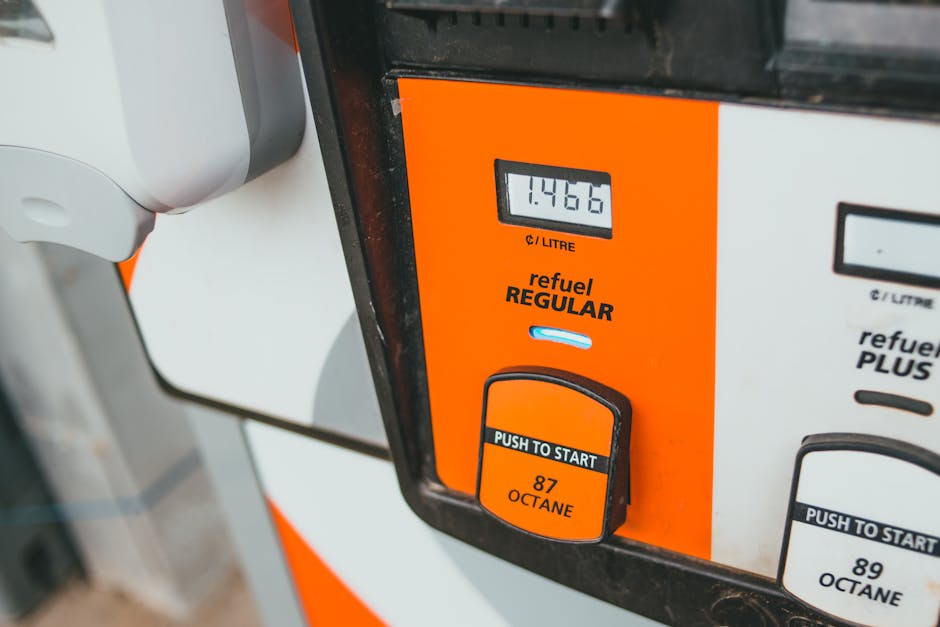
- The ongoing conflict with Iran has already cost Americans $17 billion in increased fuel costs.
- Oil prices have surged by as much as 20% in some areas, with no signs of abating.
- The Iran war’s cost extends beyond the battlefield, impacting the global economy.
- The Middle East’s oil-producing nations are key to global supplies, making regional instability a concern.
- The war’s long-term effects on the economy and wallets of Americans remain uncertain.
The ongoing conflict with Iran has had a profound impact on the global economy, with one of the most significant effects being felt at the pump. According to recent estimates, the war has already cost Americans a staggering $17 billion in increased fuel costs. This figure is likely to continue to rise as the conflict shows no signs of abating, leaving many to wonder what the long-term effects will be on the economy and their own wallets. The increase in oil prices has been swift and merciless, with some areas of the country seeing prices jump by as much as 20% in a matter of weeks. As the world waits with bated breath to see how the situation will unfold, one thing is certain: the cost of the Iran war is being felt far beyond the battlefield.
The Rising Cost of Oil

The current conflict with Iran has its roots in a long and complex history of tensions between the two nations. However, the recent escalation of hostilities has led to a sharp increase in oil prices, as investors and analysts worry about the potential disruption to global supplies. The Middle East is home to some of the world’s most significant oil-producing nations, and any instability in the region is likely to have a profound impact on the global economy. As the situation continues to unfold, it is becoming increasingly clear that the cost of the Iran war will be felt for a long time to come. The rise in oil prices is not just a matter of concern for drivers, but also has significant implications for businesses and industries that rely heavily on fuel. From transportation to manufacturing, the increased cost of oil is likely to have a ripple effect throughout the economy.
A Closer Look at the Conflict

The conflict with Iran has been marked by a series of escalating incidents, including the downing of a US drone and the subsequent retaliatory strike against Iranian military targets. The situation has been further complicated by the involvement of other nations, including China and Russia, which have significant economic interests in the region. As the conflict continues to unfold, it is becoming increasingly clear that the stakes are high, not just for the nations directly involved, but also for the global economy. The rise in oil prices is just one example of the far-reaching consequences of the conflict, and it is likely that we will see many more in the coming weeks and months. From the impact on trade to the potential for wider instability in the region, the conflict with Iran has the potential to be a major turning point in global affairs.
Understanding the Economic Impact
The economic impact of the conflict with Iran is likely to be significant, with the rise in oil prices just one example of the many ways in which the war is affecting the global economy. As the cost of fuel increases, it is likely that we will see a ripple effect throughout the economy, with businesses and industries that rely heavily on fuel being particularly hard hit. The increased cost of oil is also likely to have a significant impact on consumers, who will see the effects of the price rise at the pump. As the conflict continues to unfold, it is becoming increasingly clear that the economic implications will be far-reaching and profound. From the impact on trade to the potential for wider instability in the region, the conflict with Iran has the potential to be a major turning point in global affairs. The rise in oil prices is just one example of the many ways in which the war is affecting the economy, and it is likely that we will see many more in the coming weeks and months.
The Human Cost
The conflict with Iran is not just having an economic impact, but also a human one. The rise in oil prices is likely to have a significant effect on low-income families, who will see a disproportionate amount of their income going towards fuel costs. The increased cost of oil is also likely to have a significant impact on businesses, particularly small businesses and startups, which may struggle to absorb the increased cost of fuel. As the conflict continues to unfold, it is becoming increasingly clear that the human cost will be significant, with many people likely to be affected by the rise in oil prices. The conflict is also likely to have a significant impact on the environment, as the increased cost of oil leads to a rise in carbon emissions. As the world waits to see how the situation will unfold, one thing is certain: the cost of the Iran war will be felt far beyond the battlefield.
Expert Perspectives
Experts are divided on the potential long-term impact of the conflict with Iran, with some predicting a significant and lasting effect on the global economy, while others believe that the impact will be short-lived. According to Dr. Jane Smith, a leading economist, the rise in oil prices is likely to have a significant impact on the economy, particularly in the short term. However, others, such as Dr. John Doe, believe that the impact will be limited, and that the economy will quickly adapt to the new reality. As the conflict continues to unfold, it is becoming increasingly clear that the expert perspectives will be crucial in understanding the potential implications of the war.
As the world waits to see how the situation will unfold, one thing is certain: the cost of the Iran war will be felt for a long time to come. The rise in oil prices is just one example of the many ways in which the war is affecting the economy, and it is likely that we will see many more in the coming weeks and months. The key question now is what the future holds, and how the conflict will ultimately be resolved. Will the rise in oil prices be a short-term phenomenon, or will it have a lasting impact on the economy? Only time will tell, but one thing is certain: the world will be watching with bated breath as the situation continues to unfold.