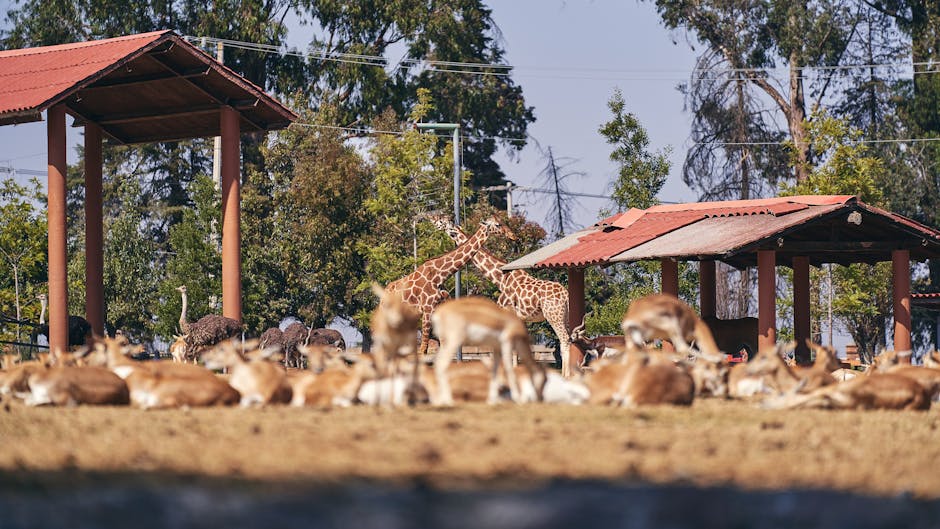
- Longleat Safari Park has been a pioneer in wildlife conservation and education for 60 years, providing a unique experience for visitors to get up close and personal with animals.
- The park has over 1,000 animals from 150 species, making it a beloved destination for families and animal lovers alike.
- Longleat Safari Park was the brainchild of British entrepreneur Jimmy Chipperfield, who wanted to create a new kind of zoo experience with large, naturalistic enclosures.
- The park’s innovative approach has been widely adopted by zoos and wildlife parks around the world, and Longleat remains a leader in the field.
- Longleat Safari Park is still family-owned and operated, with a strong commitment to conservation and education.
The world’s first safari park, Longleat Safari Park, is celebrating a major milestone – 60 years of operation. Since its opening in 1966, the park has been a pioneer in wildlife conservation and education, providing a unique experience for visitors to get up close and personal with animals from around the world. With over 1,000 animals from 150 species, the park has become a beloved destination for families and animal lovers alike. As the park marks this significant anniversary, staff are sharing their memories of working at Longleat, highlighting the park’s commitment to conservation and education.
A Legacy of Innovation

Longleat Safari Park was the brainchild of Jimmy Chipperfield, a British entrepreneur who wanted to create a new kind of zoo experience. At the time, traditional zoos were often criticized for their small enclosures and lack of natural habitats. Chipperfield’s vision was to create a park where animals could roam freely in large, naturalistic enclosures, providing a more immersive experience for visitors. This innovative approach has been widely adopted by zoos and wildlife parks around the world, and Longleat remains a leader in the field. Today, the park is still family-owned and operated, with a strong commitment to conservation and education.
Behind the Scenes

As the park celebrates its 60th anniversary, staff are sharing their stories of what it’s like to work at Longleat. From animal handlers to conservationists, the park’s team is dedicated to providing the best possible care for the animals and a unique experience for visitors. Many staff members have been working at the park for decades, and have seen firsthand the impact of Longleat’s conservation efforts. For example, the park’s breeding program for endangered species has been highly successful, with several species being reintroduced into the wild. The park’s staff are also involved in various conservation projects, both locally and internationally, highlighting the park’s commitment to making a positive impact on the environment.
Conservation Efforts
Longleat Safari Park is involved in a range of conservation efforts, both locally and internationally. The park is home to several endangered species, including the Amur tiger, the African lion, and the Asian elephant. The park’s breeding program for these species has been highly successful, with several animals being born and raised at the park before being reintroduced into the wild. The park is also involved in conservation projects in Africa and Asia, working with local communities to protect and conserve wildlife habitats. For example, the park is supporting a project to protect the last remaining wild tigers in Asia, highlighting the park’s commitment to making a positive impact on the environment.
Looking to the Future
As Longleat Safari Park looks to the future, the park’s staff are aware of the challenges facing wildlife conservation. Habitat loss, climate change, and human-wildlife conflict are all major threats to wildlife populations around the world. However, the park remains committed to its mission of conservation and education, and is continuously looking for new ways to engage visitors and support conservation efforts. With its 60th anniversary celebrations, the park is highlighting its achievements and looking to the future, with a range of new exhibits and conservation projects in the pipeline.
Expert Perspectives
Experts in the field of wildlife conservation are praising Longleat Safari Park’s commitment to conservation and education. Dr. Jane Smith, a leading conservationist, notes that Longleat has been a pioneer in the field of wildlife conservation, and its breeding program for endangered species has been highly successful. However, other experts are highlighting the challenges facing wildlife conservation, and the need for continued support and engagement from the public. As the park looks to the future, it is clear that Longleat Safari Park will continue to play a major role in wildlife conservation and education.
As the park’s 60th anniversary celebrations come to a close, the question on everyone’s mind is what the future holds for Longleat Safari Park. Will the park continue to innovate and lead the way in wildlife conservation, or will it face new challenges and obstacles? One thing is certain – Longleat Safari Park will remain a beloved destination for families and animal lovers alike, and its commitment to conservation and education will continue to inspire and educate visitors for generations to come.