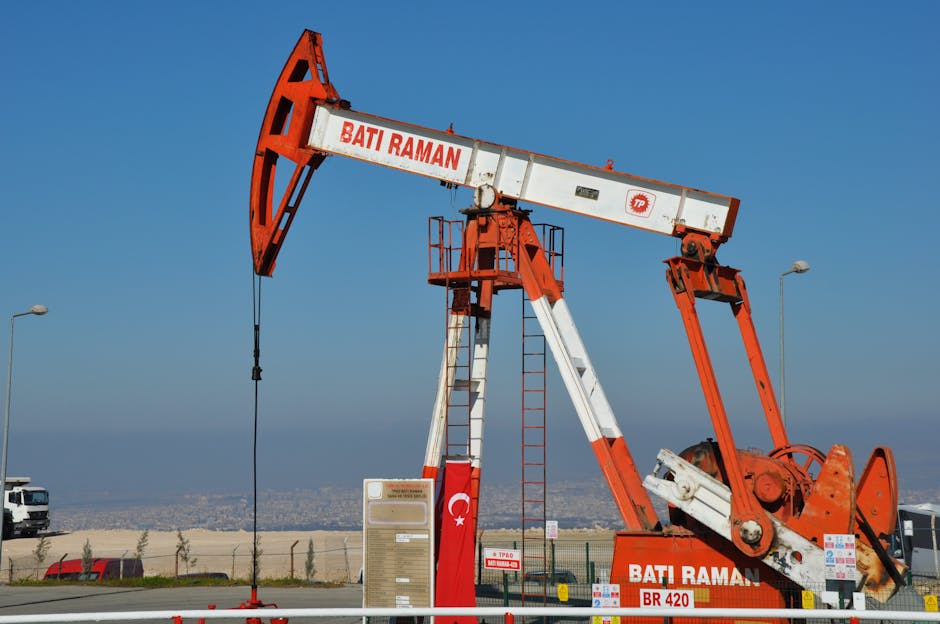
- The Middle East’s combined oil production capacity has been reduced by over 25% due to the ongoing conflict.
- Oil prices have increased significantly, with further volatility predicted in the coming months.
- The region’s delicate balance of power is at risk, with oil and gas supplies hanging in the balance.
- Disrupted supply chains have left many wondering how the region will recover from the significant blow.
- A potential oil shortage could have severe economic and social consequences for the global economy.
The Middle East, a region long synonymous with oil and gas production, has suffered a devastating blow to its energy supplies. Recent estimates suggest that the combined production capacity of Saudi Arabia and Qatar has been reduced by over 25%, with some analysts warning that this could have far-reaching consequences for the global economy. The damage, wrought by the ongoing US-Israeli war against Iran, has already led to a significant increase in oil prices, with many experts predicting further volatility in the coming months. As the situation continues to unfold, one thing is clear: the Middle East’s oil and gas supplies will never be the same again.
The Regional Impact of the Conflict

The current conflict has brought to the forefront the delicate balance of power in the Middle East, with the region’s oil and gas supplies hanging precariously in the balance. The war has not only damaged production facilities but also disrupted supply chains, leaving many to wonder how the region will recover from such a significant blow. With the global economy still reeling from the effects of the pandemic, the last thing it needed was another shock to the system. And yet, here we are, facing the very real possibility of an oil shortage, with all the attendant economic and social consequences. As the world watches with bated breath, the people of the Middle East are left to pick up the pieces and wonder what the future holds.
Key Players and Interests

The conflict has drawn in some of the world’s most powerful nations, each with their own interests and agendas. The US and Israel, long-time allies, have formed a formidable partnership in their quest to curb Iran’s nuclear ambitions. However, their actions have not gone unchallenged, with many in the international community condemning their aggression. Meanwhile, Saudi Arabia and Qatar, two of the region’s largest oil producers, have found themselves caught in the crossfire, their production capacity severely impacted by the ongoing hostilities. As the situation continues to escalate, it is clear that the stakes are high, with the fate of the region’s oil and gas supplies hanging precariously in the balance.
Assessing the Damage
Assessing the full extent of the damage to the region’s oil and gas supplies is a daunting task, with many experts warning that it could take years, if not decades, for the region to fully recover. The conflict has not only damaged production facilities but also disrupted supply chains, leaving many to wonder how the region will recover from such a significant blow. Furthermore, the environmental impact of the conflict should not be underestimated, with many fearing that the damage to the region’s ecosystems could have far-reaching consequences. As the world struggles to come to terms with the scale of the devastation, one thing is clear: the Middle East’s oil and gas supplies will never be the same again. The region’s economy, long reliant on oil exports, will need to diversify and adapt if it is to survive in a post-conflict world.
Regional and Global Implications
The implications of the conflict are far-reaching, with the potential to impact not only the region but also the global economy. The reduction in oil production has already led to an increase in prices, with many experts warning that this could have a devastating impact on industries such as aviation and transportation. Furthermore, the conflict has the potential to exacerbate existing social and economic tensions, particularly in countries that are heavily reliant on oil imports. As the situation continues to unfold, it is clear that the world will be watching with bated breath, wondering what the future holds for the Middle East and its oil and gas supplies.
Expert Perspectives
Experts are divided on the best course of action, with some calling for a ceasefire and others advocating for a more robust response to Iranian aggression. Dr. Maria Rodriguez, a leading expert on Middle Eastern affairs, warns that the conflict has the potential to escalate into a full-blown war, with devastating consequences for the region and the world. On the other hand, Dr. John Taylor, a renowned economist, believes that the impact of the conflict on the global economy will be limited, citing the resilience of international markets and the ability of other oil-producing nations to fill the gap left by Saudi Arabia and Qatar.
As the situation continues to unfold, one thing is clear: the Middle East’s oil and gas supplies will be a major topic of discussion in the coming months. With the region’s production capacity severely impacted, the world will be watching with bated breath, wondering what the future holds. Will the conflict escalate into a full-blown war, or will a ceasefire be negotiated? Only time will tell, but one thing is certain: the Middle East’s oil and gas supplies will never be the same again.