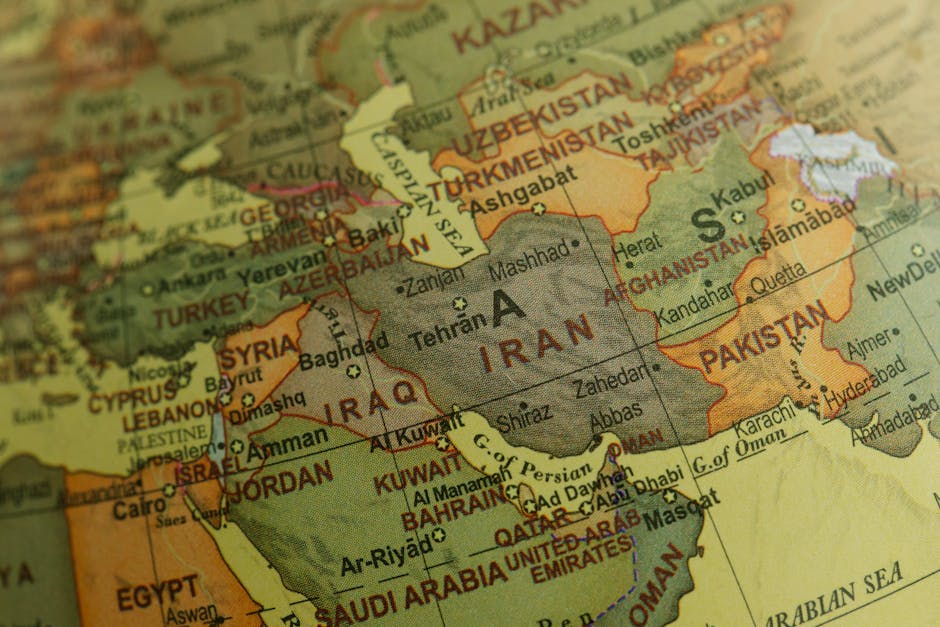
- The Strait of Hormuz is a vital shipping lane with over 20% of the world’s oil passing through it.
- A blockade of the Strait would have severe consequences for global trade and economic stability.
- The UK and its allies are considering sanctions to prevent an Iranian blockade of the shipping lane.
- The Strait of Hormuz connects the Persian Gulf to the Gulf of Oman and is the only sea route for oil exports from several Middle Eastern countries.
- A disruption to oil supplies through the Strait could lead to a significant increase in oil prices.
The Strait of Hormuz, a vital shipping lane, has become a focal point of tension between Iran and the international community, with the UK and its allies considering sanctions to prevent its blockade. Approximately 20% of the world’s oil passes through this narrow waterway, making it a critical chokepoint for global trade. Yvette Cooper, a prominent UK politician, has emphasized the need for coordinated diplomatic and economic measures to ensure the shipping lane remains open, warning of severe consequences if it is blocked. The situation is being closely monitored, as any disruption to oil supplies could have far-reaching implications for the global economy.
The Strategic Importance of the Strait of Hormuz

The Strait of Hormuz is a strategic waterway that connects the Persian Gulf to the Gulf of Oman, providing the only sea route for oil exports from Iran, Iraq, Kuwait, Qatar, Saudi Arabia, and the United Arab Emirates. The strait is approximately 90 nautical miles long and 21-25 miles wide, making it a narrow and congested shipping lane. Its importance cannot be overstated, as it is estimated that over 17 million barrels of oil pass through the strait every day. The international community is deeply concerned about the potential consequences of an Iranian blockade, which could lead to a significant increase in oil prices, disrupting global trade and economic stability. The UK and its allies are working tirelessly to find a diplomatic solution to the crisis, recognizing the need for a coordinated approach to address the situation.
Iran’s Threats to Block the Strait

Iran has repeatedly threatened to block the Strait of Hormuz in response to international sanctions and diplomatic pressure. The Iranian government has argued that the sanctions, which target its oil exports and banking sector, are unfair and designed to strangle its economy. In recent months, Iran has increased its military presence in the region, conducting naval exercises and deploying missiles and troops to the strait. The UK and its allies have condemned Iran’s actions, warning that any attempt to block the strait would be met with a robust response. The situation is highly volatile, with both sides engaging in a war of words and diplomatic maneuvering. The international community is urging calm and restraint, recognizing the need for a peaceful resolution to the crisis.
Analysis of the Situation
The current situation in the Strait of Hormuz is complex and multifaceted, involving geopolitical, economic, and strategic considerations. The UK and its allies are facing a difficult dilemma, as they seek to balance their desire to pressure Iran over its nuclear program with the need to maintain stability in the region. The sanctions imposed on Iran have had a significant impact on its economy, but they have also led to increased tensions and a heightened risk of conflict. The international community is closely monitoring the situation, recognizing the potential for miscalculation and unintended consequences. Experts warn that a blockade of the strait could lead to a significant increase in oil prices, potentially triggering a global economic downturn. The situation is being watched closely by markets and governments around the world, as the consequences of a conflict in the region could be far-reaching and devastating.
Implications of a Blockade
A blockade of the Strait of Hormuz would have significant implications for the global economy, leading to a sharp increase in oil prices and disrupting trade flows. The impact would be felt across the world, with countries that rely heavily on oil imports being particularly affected. The UK and its allies are working to mitigate the effects of a potential blockade, developing contingency plans and building strategic oil reserves. However, the situation is highly uncertain, and the consequences of a conflict in the region could be severe. The international community is urging Iran to refrain from blocking the strait, recognizing the need for a peaceful resolution to the crisis. The situation is being closely monitored, as the world waits with bated breath to see how the situation will unfold.
Expert Perspectives
Experts are divided on the best course of action to address the situation in the Strait of Hormuz. Some argue that the UK and its allies should take a tough stance against Iran, imposing further sanctions and preparing for a potential military conflict. Others advocate for a more diplomatic approach, seeking to engage with Iran and find a peaceful resolution to the crisis. Yvette Cooper has emphasized the need for coordinated diplomatic and economic measures, warning that a blockade of the strait would have severe consequences for the global economy. The situation is complex and multifaceted, requiring a nuanced and sophisticated approach. Experts warn that the situation is highly volatile, and the consequences of miscalculation could be devastating.
As the situation in the Strait of Hormuz continues to unfold, the international community is watching with bated breath. The UK and its allies are working tirelessly to find a diplomatic solution to the crisis, recognizing the need for a coordinated approach to address the situation. The world waits to see how the situation will unfold, as the consequences of a conflict in the region could be far-reaching and devastating. One thing is certain, however: the situation in the Strait of Hormuz is a ticking time bomb, requiring careful handling and diplomacy to prevent a catastrophic outcome. The coming days and weeks will be critical, as the world navigates this complex and treacherous geopolitical landscape.