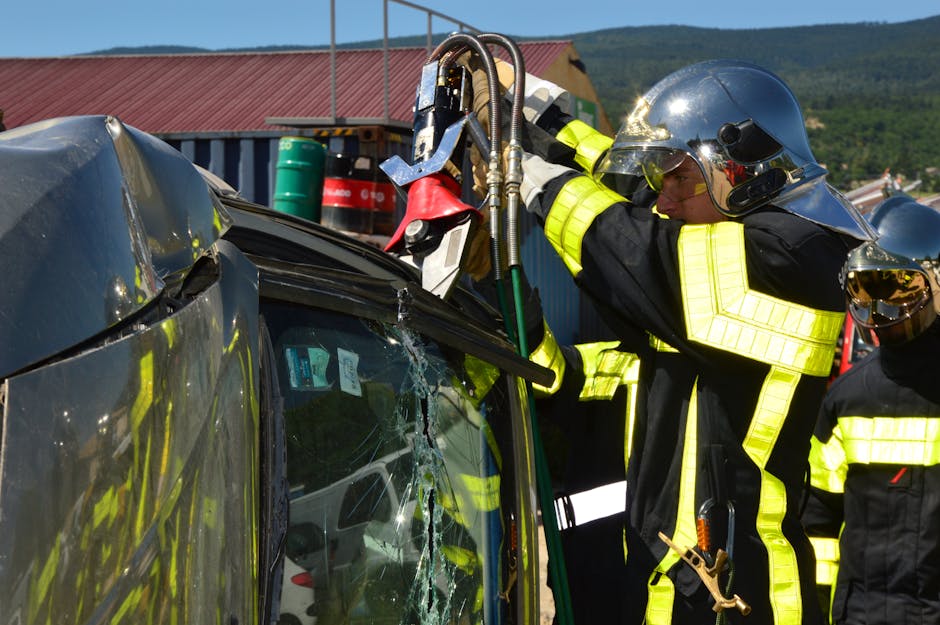
- Recovery personnel from NASA and the US Navy will secure the Artemis II capsule after splashdown in the Pacific Ocean.
- The success of the recovery effort is crucial for future space missions, including Artemis III.
- The mission requires meticulous planning and execution, involving specialized equipment and personnel.
- The collaboration between NASA and the US Navy is key to the mission’s success.
- The data collected during recovery will inform future missions and improve space exploration.
The Artemis II mission is nearing its final stages, and recovery personnel from NASA and the U.S. Navy are gearing up to secure the spacecraft after it splashes down in the Pacific Ocean. As the capsule bobs in the water, a team of experts will be tracking its every move, ensuring that it is safely retrieved and brought back to land for further analysis. This complex operation requires meticulous planning and execution, involving a range of specialized equipment and personnel. With the fate of future space missions hanging in the balance, the success of this recovery effort is of paramount importance.
Background and Significance

The recovery of the Artemis II capsule is a critical component of the overall mission, as it will provide valuable insights into the performance of the spacecraft and its systems. The data collected during the recovery process will be used to inform future missions, including the upcoming Artemis III, which is slated to send the first woman and the next man to the lunar surface. The collaboration between NASA and the U.S. Navy is a key factor in the success of this mission, as it leverages the expertise and resources of both organizations to achieve a common goal. As the space agency continues to push the boundaries of space exploration, the importance of effective recovery operations will only continue to grow.
Recovery Operations

The recovery process will involve a range of specialized equipment and personnel, including the U.S. Navy’s USS John P. Murtha, a San Antonio-class amphibious transport dock ship. The ship will serve as a base of operations for the recovery team, which will include NASA personnel, Navy divers, and other experts. As the capsule splashes down, the team will quickly move into action, deploying a range of equipment, including inflatable recovery bags and winches, to stabilize and secure the spacecraft. The capsule will then be lifted out of the water and transported to the ship, where it will be carefully examined and prepared for transport back to land.
Challenges and Considerations
The recovery of the Artemis II capsule will not be without its challenges, as the team will need to contend with a range of factors, including unpredictable weather conditions, equipment failures, and the potential for damage to the spacecraft during the recovery process. Furthermore, the capsule will be carrying a range of sensitive equipment and data, which must be carefully handled and protected to ensure its integrity. To mitigate these risks, the recovery team will be using a range of specialized equipment and techniques, including advanced navigation systems and precision winches, to ensure that the capsule is safely and securely recovered.
Implications and Future Directions
The successful recovery of the Artemis II capsule will have significant implications for the future of space exploration, as it will demonstrate the ability of NASA and its partners to safely and effectively recover spacecraft after splashdown. This capability will be critical for future missions, including those to the lunar and Mars surfaces, where the ability to recover and reuse spacecraft will be essential for reducing costs and increasing efficiency. As the space agency continues to push the boundaries of space exploration, the development of effective recovery operations will play an increasingly important role in enabling these missions.
Expert Perspectives
According to NASA officials, the recovery of the Artemis II capsule is a complex and challenging operation that requires careful planning and execution. “The recovery of the Artemis II capsule is a critical component of the overall mission, and we are working closely with our partners in the U.S. Navy to ensure its success,” said one official. Meanwhile, experts from the space industry are highlighting the importance of developing effective recovery operations for future missions. “As we continue to push the boundaries of space exploration, the ability to recover and reuse spacecraft will become increasingly important,” said one expert.
Looking ahead, the success of the Artemis II recovery mission will be closely watched by space agencies and industry experts around the world. As NASA and its partners continue to develop and refine their recovery operations, they will be laying the groundwork for a new era of space exploration, one that is characterized by increased efficiency, reduced costs, and a growing ability to push the boundaries of what is possible in space. With the Artemis II mission nearing its conclusion, the focus will soon shift to the next challenge, as the space agency prepares to send the first woman and the next man to the lunar surface on the Artemis III mission.