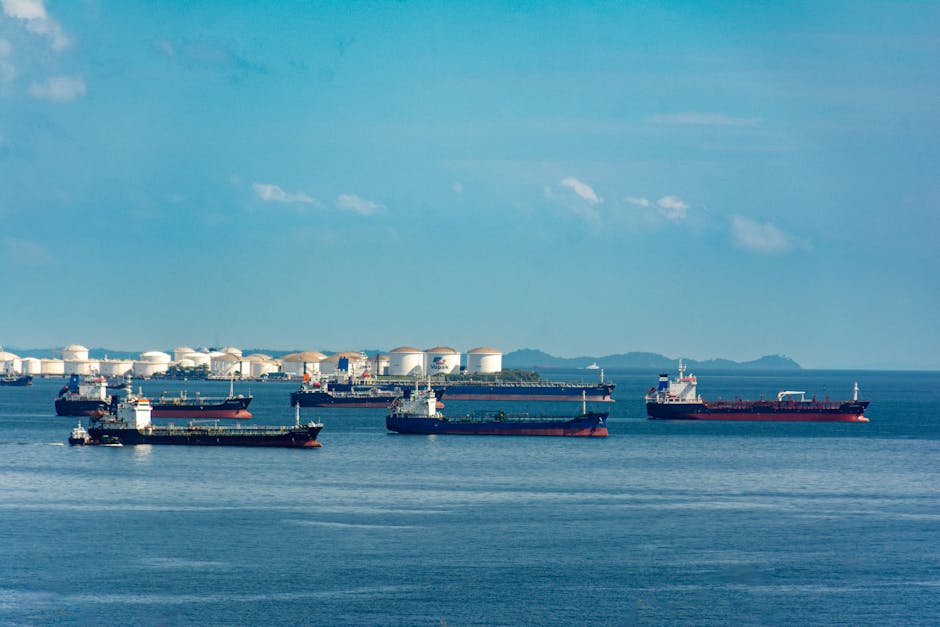
- The Strait of Hormuz is a critical waterway where nearly 20% of the world’s oil passes through, threatening jet fuel supplies.
- The EU airline industry is at risk due to its reliance on imported fuel, making it vulnerable to global oil market disruptions.
- The closure of the Strait has already led to increased oil prices, impacting the airline industry’s fuel costs.
- The EU airline industry is urging policymakers to take swift action to resolve the dispute and restore stability to the region.
- Airports and airlines are taking steps to mitigate the impact of potential fuel shortages, including exploring alternative fuels.
The European airline industry is sounding the alarm over potential fuel shortages as the dispute over the Strait of Hormuz continues to escalate. With nearly 20% of the world’s oil passing through the strategic waterway, the closure of the Strait has raised concerns about the availability of jet fuel, which could have severe implications for air travel. According to the Airports Council International (ACI) Europe, its members have expressed increasing concerns about the potential for fuel shortages, highlighting the need for urgent action to resolve the crisis.
The Strait of Hormuz: A Critical Chokepoint

The Strait of Hormuz is a critical waterway that connects the Persian Gulf to the Gulf of Oman, and it is a vital shipping route for oil tankers. The closure of the Strait has already led to increased oil prices, and the airline industry is bracing itself for the potential impact on jet fuel supplies. The EU airline industry is particularly vulnerable to disruptions in the global oil market, given its reliance on imported fuel. As the situation continues to unfold, the industry is urging policymakers to take swift action to resolve the dispute and restore stability to the region.
Fuel Shortages: A Looming Crisis

The potential for fuel shortages is a major concern for the EU airline industry, with many airports and airlines already taking steps to mitigate the impact. The use of alternative fuels, such as sustainable aviation fuels, is being explored, but these options are still in their infancy. In the short term, the industry is focusing on reducing fuel consumption and optimizing flight routes to minimize the impact of any shortages. However, if the dispute is not resolved soon, the consequences for air travel could be severe, with potential flight cancellations and disruptions to passenger services.
Causes and Consequences
The closure of the Strait of Hormuz is a complex issue, with multiple parties involved and a range of competing interests. The dispute has its roots in regional politics and security concerns, but the impact on the global economy is being felt far beyond the Middle East. The EU airline industry is just one of many sectors that is being affected, with the potential for fuel shortages having a ripple effect throughout the economy. As the situation continues to unfold, analysts are warning of a potential perfect storm of increased oil prices, reduced economic growth, and decreased air travel demand.
Implications for Air Travel
The potential for fuel shortages has significant implications for air travel, with passengers facing the possibility of flight cancellations, delays, and increased ticket prices. The EU airline industry is working closely with regulators and policymakers to mitigate the impact, but the situation remains uncertain. As the dispute continues to escalate, the industry is urging passengers to remain flexible and to plan ahead, with many airlines already offering booking flexibility and travel waivers. However, the long-term implications for air travel are still unclear, and the industry is bracing itself for a potentially prolonged period of disruption.
Expert Perspectives
Experts are divided on the potential impact of the Strait of Hormuz closure on the EU airline industry, with some warning of a catastrophic shortage of jet fuel and others predicting a more limited impact. According to some analysts, the industry’s concerns are overstated, and the use of alternative fuels and optimized flight routes will be sufficient to mitigate the impact. However, others are warning of a more severe crisis, with the potential for widespread flight cancellations and a significant increase in ticket prices. As the situation continues to unfold, it is clear that the EU airline industry is facing a major challenge, and the need for urgent action to resolve the dispute is becoming increasingly pressing.
Looking ahead, the EU airline industry is bracing itself for a potentially prolonged period of disruption, with the need for flexibility and adaptability becoming increasingly important. As the situation continues to evolve, the industry will be watching closely for any signs of a resolution to the dispute, and passengers will be hoping for a swift return to normal services. However, the long-term implications of the crisis are still unclear, and the industry will be working closely with regulators and policymakers to ensure that the impact on air travel is minimized. One thing is certain, however: the EU airline industry is facing a major challenge, and the need for urgent action to resolve the dispute is becoming increasingly pressing.