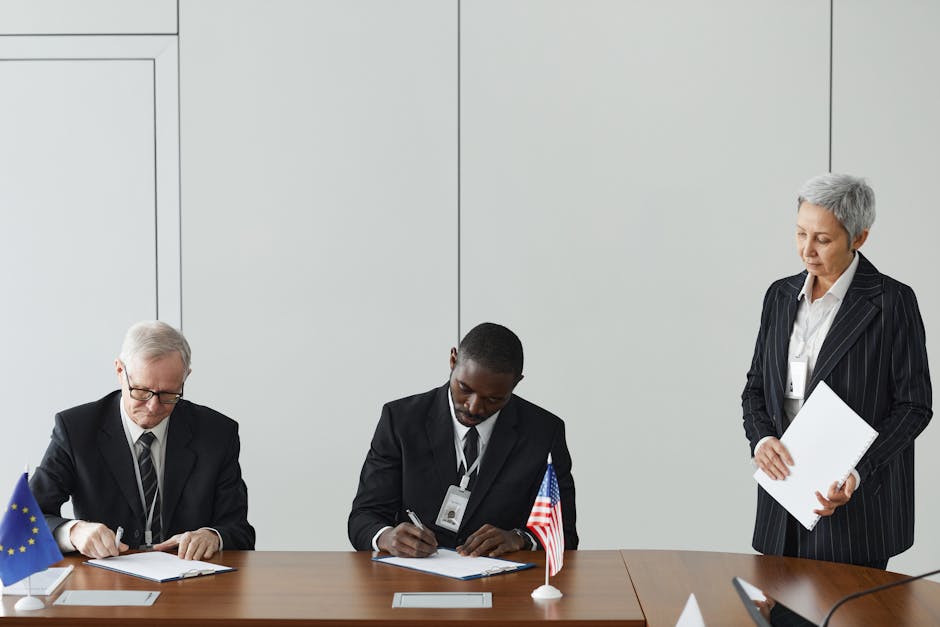
- Iran and the US are holding high-stakes diplomatic talks in Islamabad, facilitated by Pakistani mediators.
- The meeting marks a significant development in the tumultuous relationship between the two nations.
- Pakistan’strategic location and historical ties make Pakistan well-positioned to facilitate dialogue and find common ground.
- The talks are focused on finding a mutually beneficial outcome, but significant differences between the two nations remain.
- The international community is watching closely to see if the talks will yield a breakthrough in longstanding tensions.
In a surprising turn of events, officials from Iran and the United States have gathered in Islamabad for high-stakes diplomatic talks, marking a significant development in the tumultuous relationship between the two nations. According to reports from Al Jazeera, the meeting is currently underway, with Pakistani mediators playing a crucial role in facilitating the discussions. This unexpected move has sparked widespread interest, as the international community waits with bated breath to see if these talks will yield a breakthrough in the longstanding tensions between Iran and the US.
The Road to Diplomacy

The current diplomatic efforts are a culmination of months of behind-the-scenes negotiations, with Pakistan’s government working tirelessly to bring the two sides to the table. The choice of Islamabad as the meeting venue is significant, as it highlights the important role that Pakistan is playing in regional diplomacy. With its strategic location and historical ties to both Iran and the US, Pakistan is well-positioned to facilitate dialogue and help find common ground between the two nations. As the talks progress, it remains to be seen whether the parties involved will be able to overcome their differences and work towards a mutually beneficial outcome.
Key Players and Interests

The Iranian delegation is comprised of high-ranking officials, who are engaged in intense discussions with their US counterparts. The talks are focused on finding a resolution to the ongoing tensions between the two nations, which have been exacerbated by issues such as nuclear proliferation, trade sanctions, and regional security. The US is seeking to address concerns about Iran’s nuclear program, while Iran is pushing for an easing of economic sanctions and recognition of its regional influence. Pakistani mediators are working to find common ground between the two sides, using their diplomatic expertise to navigate the complex web of interests and alliances that are at play.
Analysis and Implications
Experts believe that the current talks represent a crucial opportunity for both Iran and the US to reassess their relationship and work towards a more constructive dialogue. The success of these talks will depend on the ability of the parties involved to find creative solutions to the complex issues that have driven them apart. If the talks are successful, they could have far-reaching implications for regional security, global energy markets, and the broader international community. On the other hand, if the talks fail to yield a breakthrough, it could lead to further escalation of tensions, with potentially catastrophic consequences for the region and beyond.
Regional Consequences
The outcome of the talks will have significant implications for the region, where Iran and the US have competing interests and alliances. A successful diplomatic breakthrough could lead to increased cooperation and stability, while a failure to reach an agreement could exacerbate existing tensions and create new challenges for regional players. The international community is watching the talks with great interest, as the outcome will have a direct impact on global security, trade, and diplomacy. As the talks continue, all eyes will be on Islamabad, where the fate of Iran-US relations hangs in the balance.
Expert Perspectives
Experts are divided on the prospects for success, with some hailing the talks as a major breakthrough and others expressing skepticism about the ability of the parties to reach a lasting agreement. According to Dr. Sanam Vakil, a leading expert on Iran-US relations, “the talks represent a crucial opportunity for both sides to reassess their relationship and work towards a more constructive dialogue.” In contrast, Dr. Michael Rubin, a critic of Iranian diplomacy, argues that “the talks are unlikely to yield a breakthrough, given the deep-seated mistrust and competing interests between the two nations.”
As the talks draw to a close, the international community will be watching with great interest to see if Iran and the US can find common ground and work towards a more peaceful and stable future. The coming days and weeks will be crucial, as the parties involved work to translate the momentum from the talks into tangible progress and lasting change. One thing is certain, however: the fate of Iran-US relations will have far-reaching implications for the region and the world, and the outcome of these talks will be closely watched by all.