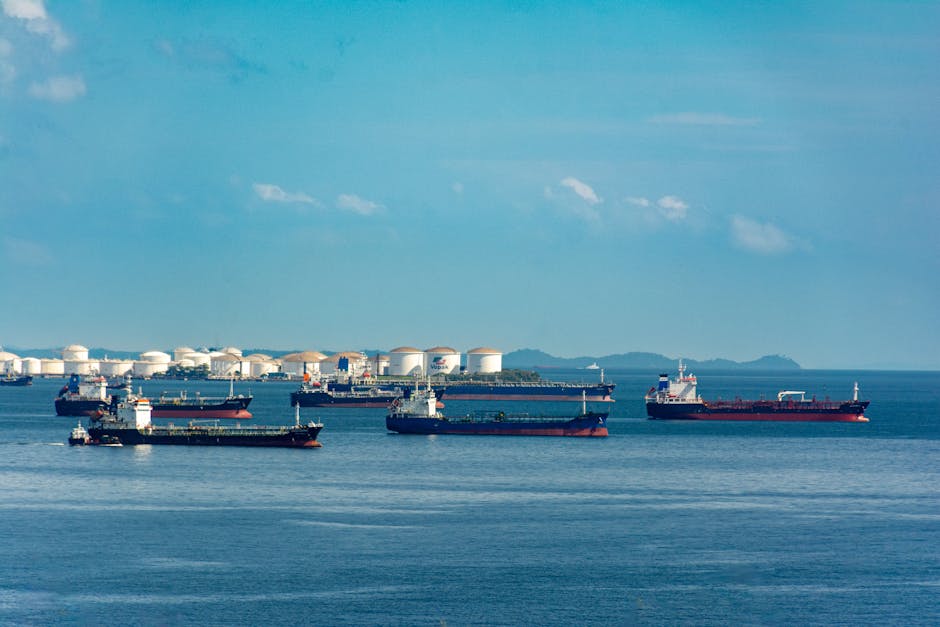
The global air travel industry is bracing for a potentially devastating crisis as airports warn of
“systemic” fuel shortages due to the escalating tensions between the US and Iran. With the Strait of Hormuz remaining closed, airports are facing the very real possibility of mass shortages of jet fuel, which could have a crippling effect on global air travel. According to a trade body, if the Strait of Hormuz does not reopen within the next three weeks, airports will be forced to implement emergency measures to ration fuel, leading to widespread flight cancellations and delays. This looming crisis has sparked fears of a global economic downturn, as the air travel industry is a critical component of international trade and commerce.
The Strait of Hormuz: A Critical Chokepoint

The Strait of Hormuz is a critical waterway that connects the Persian Gulf to the Gulf of Oman, and it is the primary shipping route for oil exports from the region. The strait is approximately 30 miles wide at its narrowest point, making it a highly congested and vulnerable chokepoint. With nearly 20% of the world’s oil passing through the strait, any disruption to shipping lanes has a significant impact on global oil prices. The current tensions between the US and Iran have raised concerns that the strait could be closed, either intentionally or unintentionally, which would have a devastating effect on the global economy. As the situation continues to unfold, airports and airlines are scrambling to find alternative sources of jet fuel, but the options are limited, and the costs are prohibitively expensive.
Key Players and Interests

The current crisis has drawn in a number of key players, each with their own interests and motivations. The US has been actively working to disrupt Iran’s oil exports, as part of its campaign of economic pressure against the Iranian government. In response, Iran has threatened to close the Strait of Hormuz, which would have a significant impact on global oil prices. Meanwhile, airports and airlines are caught in the middle, struggling to maintain their operations in the face of uncertainty and rising fuel costs. The International Air Transport Association (IATA) has warned that the current situation is unsustainable and has called on governments to take action to resolve the crisis. As the situation continues to escalate, it is clear that the interests of these key players will play a critical role in determining the outcome of the crisis.
Causes and Consequences
The current crisis has been sparked by a combination of factors, including the escalating tensions between the US and Iran, as well as the ongoing instability in the Middle East. The causes of the crisis are complex and multifaceted, involving a range of political, economic, and strategic interests. However, the consequences of the crisis are clear: if the Strait of Hormuz remains closed, the global air travel industry will be severely impacted, leading to widespread flight cancellations and delays. The effects will be felt across the globe, as international trade and commerce are disrupted. According to experts, the crisis could also have a significant impact on the global economy, leading to higher oil prices, inflation, and potentially even a recession. As the situation continues to unfold, it is clear that the consequences of the crisis will be far-reaching and devastating.
Implications and Outcomes
The implications of the current crisis are significant, and the outcomes will be felt across the globe. If the Strait of Hormuz remains closed, airports will be forced to implement emergency measures to ration fuel, leading to widespread flight cancellations and delays. This will have a devastating impact on the global air travel industry, as well as the broader economy. The effects will be felt by businesses and individuals alike, as international trade and commerce are disrupted. According to experts, the crisis could also have a significant impact on the global economy, leading to higher oil prices, inflation, and potentially even a recession. As the situation continues to unfold, it is clear that the implications of the crisis will be far-reaching and devastating, and that urgent action is needed to resolve the situation.
Expert Perspectives
Experts are divided on the best course of action to resolve the crisis, with some calling for diplomatic efforts to resolve the tensions between the US and Iran, while others argue that more drastic measures are needed. According to Dr. Daniel Yergin, a leading expert on energy and geopolitics,
“the current situation is a classic example of the interconnectedness of the global energy system, and the need for a coordinated response to address the crisis.
” Meanwhile, other experts have warned that the crisis could have a significant impact on the global economy, and that urgent action is needed to prevent a recession. As the situation continues to unfold, it is clear that the perspectives of experts will play a critical role in shaping the response to the crisis.
Looking to the future, it is clear that the current crisis will have a lasting impact on the global air travel industry, as well as the broader economy. As the situation continues to unfold, it will be important to watch for signs of a resolution to the tensions between the US and Iran, as well as efforts to diversify global energy supplies. One key question that remains is whether the international community will be able to come together to address the crisis, or whether the situation will continue to escalate. As the world waits with bated breath, one thing is clear: the outcome of the crisis will have a significant impact on the global economy, and the future of international trade and commerce.