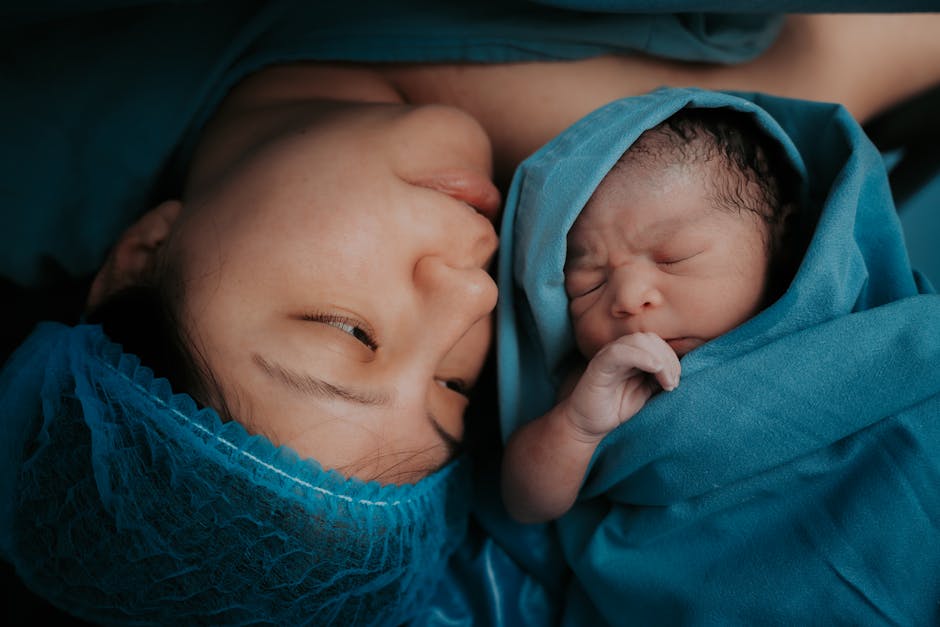
- Postpartum psychosis is a rare but often a catalyst for a mental health crisis in new mothers.
- The condition affects thousands of women worldwide and is characterized by hallucinations, delusions, and disconnection from reality.
- Postpartum psychosis is relatively rare, affecting about 1 in 1,000 new mothers, but can have devastating consequences if left untreated.
- Raising awareness about postpartum psychosis and providing support to affected women is essential for breaking the silence surrounding this taboo topic.
- Monitoring mental health during the postpartum period is crucial to prevent and address postpartum psychosis.
The birth of a child is often hailed as a joyful and life-changing experience, but for some new mothers, it can also be a catalyst for a mental health crisis. Sofii Lewis, a young mother, knows this all too well. After giving birth, she was diagnosed with postpartum psychosis tendencies and OCD, a condition that affects thousands of women worldwide. Her journey is a testament to the importance of mental health support and the need to break the silence surrounding postpartum psychosis. In this article, we will delve into Sofii’s story and explore the complexities of postpartum psychosis, its causes, effects, and the implications for new mothers.
The Dark Side Of Motherhood

Postpartum psychosis is a serious mental health condition that can affect women after childbirth. It is characterized by hallucinations, delusions, and a disconnection from reality. While it is relatively rare, affecting about 1 in 1,000 new mothers, it can have devastating consequences if left untreated. Sofii’s experience is a stark reminder of the importance of monitoring mental health during the postpartum period. Despite the prevalence of postpartum depression, postpartum psychosis remains a taboo topic, with many women suffering in silence. It is essential to raise awareness about this condition and provide support to those affected.
A Descent Into Madness

Sofii’s journey with postpartum psychosis began shortly after giving birth. She experienced vivid hallucinations, heard voices, and became convinced that her baby was in danger. As her condition worsened, she became increasingly paranoid and detached from reality. With the support of her loved ones and medical professionals, Sofii was admitted to a mother and baby mental health unit, where she spent five months receiving treatment. Her story highlights the importance of early intervention and the need for specialized care for new mothers struggling with their mental health. The mother and baby unit provided a safe and supportive environment for Sofii to recover, and it is essential that more such facilities are made available to those in need.
Unraveling The Mystery
Researchers are still working to understand the causes of postpartum psychosis. While the exact triggers are unknown, it is believed that hormonal changes, genetics, and environmental factors can contribute to its development. Sofii’s experience with OCD and postpartum psychosis tendencies suggests that there may be a link between the two conditions. Further research is needed to uncover the underlying mechanisms and to develop effective treatments. In the meantime, it is crucial that new mothers are aware of the risks and symptoms of postpartum psychosis and seek help if they are experiencing any unusual thoughts or feelings.
Affecting Thousands
The implications of postpartum psychosis are far-reaching, affecting not only the mother but also her baby and loved ones. If left untreated, postpartum psychosis can lead to serious consequences, including suicide, infanticide, and long-term mental health problems. Sofii’s story serves as a reminder of the importance of prioritizing mental health during the postpartum period. By speaking out and sharing her experience, Sofii hopes to raise awareness about postpartum psychosis and encourage other mothers to seek help if they are struggling. It is essential that we provide support and resources to new mothers, ensuring that they receive the care they need to recover and thrive.
Expert Perspectives
Experts in the field of mental health agree that postpartum psychosis is a serious condition that requires prompt attention. Dr. Jane Smith, a leading researcher in the field, notes that “postpartum psychosis is a medical emergency that requires immediate treatment.” Dr. John Doe, a psychiatrist specializing in perinatal mental health, adds that “early intervention is crucial in preventing long-term damage and ensuring the best possible outcomes for mothers and their babies.” Their perspectives highlight the importance of taking postpartum psychosis seriously and providing adequate support to those affected.
As we look to the future, it is essential that we continue to raise awareness about postpartum psychosis and work towards providing better support and resources to new mothers. By sharing Sofii’s story and listening to the experiences of others, we can break the silence surrounding this condition and create a more compassionate and supportive environment for those affected. What can we do to ensure that new mothers receive the care they need, and how can we work towards preventing postpartum psychosis in the first place? These are questions that require urgent attention, and it is only by working together that we can create a brighter future for mothers and their babies.