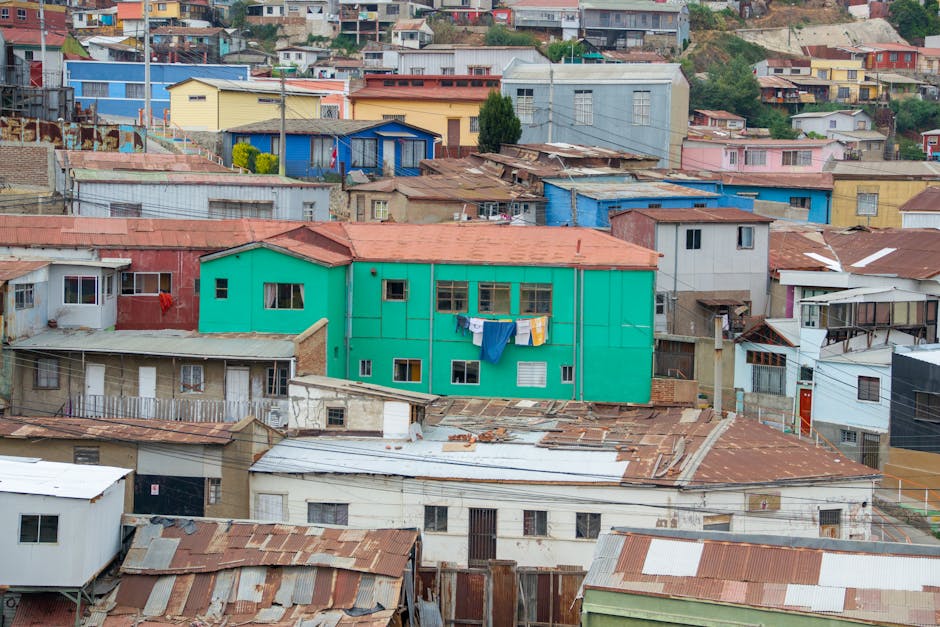
- Venezuela’s economic crisis persists due to a combination of factors, including a sharp decline in oil prices and mismanagement of the economy.
- The crisis has been exacerbated by food shortages, soaring inflation, and a crumbling infrastructure.
- The international community is growing increasingly concerned about the humanitarian situation in Venezuela.
- The protests, largely peaceful, have drawn attention to the desperate plight of Venezuelan citizens struggling to survive in a collapsed economy.
- The crisis has its roots in a combination of factors, including a sharp decline in oil prices, mismanagement of the economy, and US sanctions.
Venezuela has been plagued by a severe economic crisis, with the cost of living skyrocketing and citizens struggling to make ends meet. The latest escalation of protests, which have been ongoing for weeks, saw police block demonstrators calling for higher wages and pensions. The situation has been exacerbated by the country’s crumbling infrastructure, food shortages, and soaring inflation, which has rendered the minimum wage virtually worthless. As the crisis deepens, the international community is growing increasingly concerned about the humanitarian situation in Venezuela, with many calling for urgent action to address the crisis. The protests, which have been largely peaceful, have drawn attention to the desperate plight of Venezuelan citizens, who are struggling to survive in a country where the economy has all but collapsed.
Background to the Crisis

The economic crisis in Venezuela has its roots in a combination of factors, including a sharp decline in oil prices, mismanagement of the economy, and a series of stringent US sanctions. The situation has been further complicated by the country’s complex political landscape, with the opposition and the government locked in a bitter struggle for power. The crisis has been ongoing for several years, but it has worsened significantly since the beginning of the year, with the value of the Venezuelan currency, the bolivar, plummeting and inflation soaring to unprecedented levels. The lack of access to basic necessities like food and medicine has become a major concern, with many Venezuelans forced to rely on the black market or cross the border into neighboring countries to access essential goods.
The Protests Intensify

The latest wave of protests, which began several weeks ago, has seen thousands of Venezuelans take to the streets to demand higher wages and pensions. The protesters, who include workers, students, and pensioners, are calling for urgent action to address the economic crisis and improve living standards. The government has responded to the protests with force, deploying riot police and the military to disperse demonstrators and prevent them from marching on key government buildings. The crackdown has resulted in numerous injuries and arrests, with many protesters alleging that they were beaten and intimidated by security forces. Despite the risks, the protesters remain determined to press their demands, with many vowing to continue demonstrating until their voices are heard.
Analyzing the Causes and Effects
The economic crisis in Venezuela is a complex issue, with multiple causes and effects. At its root, the crisis is the result of a combination of poor economic management, corruption, and a series of external shocks, including the decline in oil prices and the imposition of US sanctions. The effects of the crisis have been devastating, with soaring inflation, food shortages, and a collapse in living standards. The crisis has also had a major impact on the country’s infrastructure, with many hospitals and schools forced to close due to a lack of resources. The international community has been criticized for its response to the crisis, with many arguing that more needs to be done to provide humanitarian aid and support to the Venezuelan people. As the crisis deepens, there are growing concerns about the potential for further instability and conflict in the region.
Implications of the Crisis
The implications of the economic crisis in Venezuela are far-reaching and devastating. The crisis has already had a major impact on the country’s population, with many Venezuelans forced to flee their homes in search of food, medicine, and other essential goods. The crisis has also had a major impact on the region, with many neighboring countries struggling to cope with the influx of Venezuelan migrants. The international community has been criticized for its response to the crisis, with many arguing that more needs to be done to provide humanitarian aid and support to the Venezuelan people. As the crisis deepens, there are growing concerns about the potential for further instability and conflict in the region, with many warning that the situation could have major implications for regional and global security.
Expert Perspectives
Experts are divided on the best way to address the crisis in Venezuela, with some arguing that the international community needs to take a more robust approach to supporting the opposition and others arguing that a more nuanced approach is needed. Some have warned that the situation is on the brink of chaos, with the potential for widespread violence and instability. Others have argued that the crisis is an opportunity for the international community to support the Venezuelan people and help them build a more stable and prosperous future. As the situation continues to unfold, it is clear that the international community will play a critical role in shaping the outcome of the crisis and determining the future of Venezuela.
Looking to the future, it is clear that the situation in Venezuela will remain highly uncertain and volatile. The opposition and the government are likely to continue to clash, with the potential for further protests and unrest. The international community will need to remain vigilant and engaged, working to support the Venezuelan people and promote a peaceful and stable resolution to the crisis. As the situation continues to evolve, one thing is clear: the fate of Venezuela and its people hangs in the balance, and the international community has a critical role to play in shaping their future.