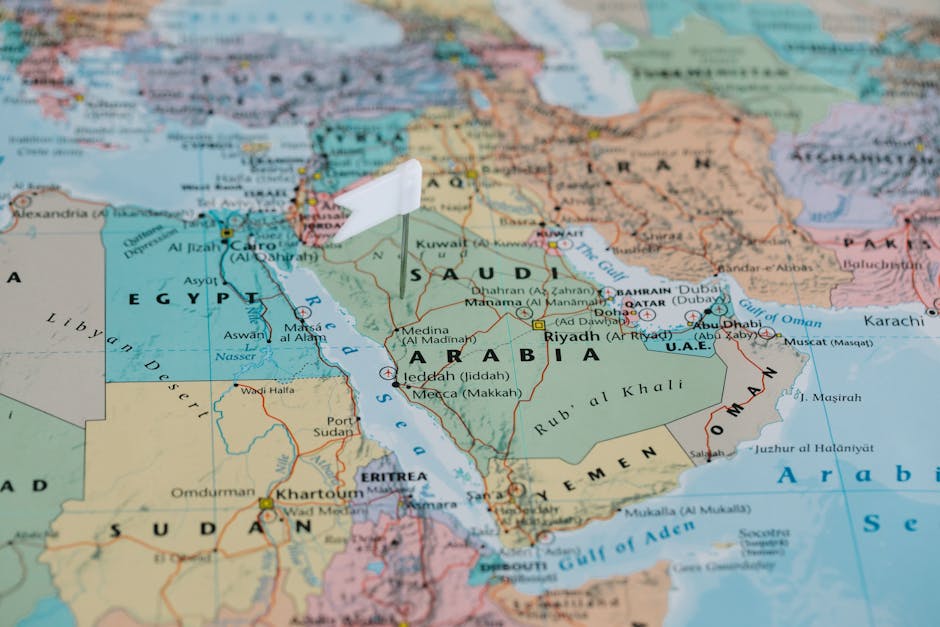
- UK PM Keir Starmer embarks on a Gulf Tour to shore up the fragile US-Iran ceasefire.
- The ceasefire, brokered after months of escalating tensions, has brought a semblance of calm to the region.
- Experts warn that the ceasefire is far from stable and requires continued diplomatic efforts.
- The UK’s role in mediating the conflict is crucial to consolidating the ceasefire and preventing further violence.
- Starmer’s visit to the Gulf comes at a critical juncture, with the international community awaiting the outcome of diplomatic efforts.
As the world watches with bated breath, the US-Iran ceasefire remains on shaky ground, with the UK Prime Minister Keir Starmer embarking on a diplomatic tour of the Gulf to shore up the fragile agreement. The ceasefire, brokered after months of escalating tensions, has brought a semblance of calm to the region, but experts warn that it is far from stable. With the UK playing a key role in mediating the conflict, Starmer’s visit to the Gulf is seen as a crucial step in consolidating the ceasefire and preventing further violence. The visit comes at a critical juncture, as the international community awaits with anticipation the outcome of the diplomatic efforts to secure a lasting peace in the region.
The Delicate Balance of Power in the Gulf

The Gulf region has long been a hotbed of geopolitical tensions, with the US, Iran, and other regional players vying for influence. The recent ceasefire has brought a measure of stability to the region, but the underlying tensions remain. The UK, with its historical ties to the region and its role as a key player in international diplomacy, is well-positioned to play a mediating role in the conflict. Starmer’s visit to the Gulf is seen as an attempt to build on the momentum generated by the ceasefire and to encourage further dialogue between the parties involved. As the situation on the ground remains fluid, the UK’s diplomatic efforts will be closely watched by the international community.
Key Players and Interests

Starmer’s visit to Doha, the capital of Qatar, marks the beginning of a diplomatic tour that will take him to other key countries in the region. The UK Prime Minister is expected to meet with regional leaders, including the Emir of Qatar, to discuss the ceasefire and the way forward. The US, which has been a key player in the conflict, will also be watching the developments closely, as will Iran, which has been seeking to consolidate its position in the region. The visit is also seen as an opportunity for the UK to reaffirm its commitment to the region and to strengthen its ties with key allies. As the diplomatic efforts gain momentum, the international community will be looking for signs of progress and a lasting resolution to the conflict.
Analysis and Implications
The US-Iran ceasefire has significant implications for the region and beyond. A stable Gulf region is crucial for global energy security, and any disruption to oil supplies could have far-reaching consequences for the world economy. The ceasefire has also raised hopes of a more lasting peace in the region, which could have a positive impact on regional stability and security. However, the situation remains fragile, and any miscalculation or provocation could derail the diplomatic efforts. The UK’s role in mediating the conflict has been widely welcomed, and Starmer’s visit to the Gulf is seen as a crucial step in consolidating the ceasefire and preventing further violence. As the situation continues to evolve, the international community will be watching with interest the developments in the region.
Regional Consequences
The implications of the US-Iran ceasefire are far-reaching, and the regional consequences will be closely watched. The ceasefire has brought a measure of stability to the region, but the underlying tensions remain. The UK’s diplomatic efforts will be focused on building on the momentum generated by the ceasefire and encouraging further dialogue between the parties involved. The region is home to some of the world’s most important oil-producing countries, and any disruption to oil supplies could have significant consequences for the global economy. As the situation continues to evolve, the international community will be looking for signs of progress and a lasting resolution to the conflict. The UK’s role in mediating the conflict has been widely welcomed, and Starmer’s visit to the Gulf is seen as a crucial step in consolidating the ceasefire and preventing further violence.
Expert Perspectives
Experts are divided on the prospects of a lasting peace in the region. Some see the ceasefire as a significant step forward, while others warn that the underlying tensions remain and that the situation could escalate at any moment. Dr. Sanam Vakil, a leading expert on Middle East politics, notes that the ceasefire is a ‘fragile’ agreement that requires careful nurturing to prevent further violence. On the other hand, Dr. Ali Vaez, a senior analyst at the International Crisis Group, argues that the ceasefire has created a ‘window of opportunity’ for further dialogue and a lasting resolution to the conflict. As the situation continues to evolve, the international community will be watching with interest the developments in the region.
As the UK Prime Minister Keir Starmer continues his diplomatic tour of the Gulf, the international community will be watching with anticipation the outcome of his efforts to secure a lasting peace in the region. The situation remains fluid, and any progress will depend on the ability of the parties involved to build on the momentum generated by the ceasefire. The UK’s role in mediating the conflict has been widely welcomed, and Starmer’s visit to the Gulf is seen as a crucial step in consolidating the ceasefire and preventing further violence. As the world waits with bated breath, one thing is clear: the road to peace in the Gulf region will be long and challenging, but with careful diplomacy and a commitment to dialogue, a lasting resolution to the conflict may finally be within reach.