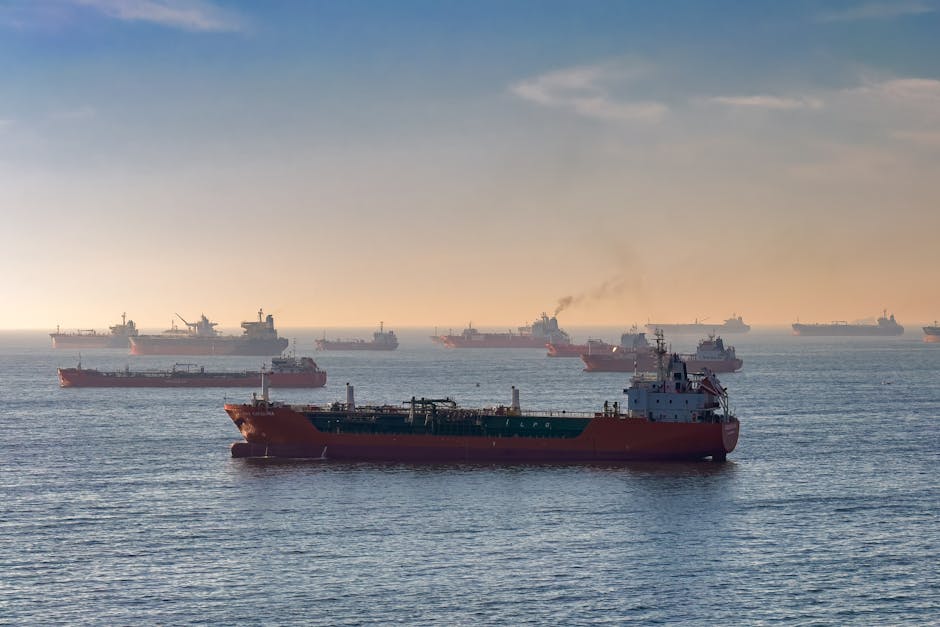
- The Strait of Hormuz is a vital shipping waterway, with 20% of the world’s oil passing through it, making its status crucial for global energy markets.
- A recent ceasefire with Iran has reopened the Strait of Hormuz, but surprisingly, few ships are using it, raising questions about its safety and reliability.
- The Strait of Hormuz has long been a flashpoint in the region, with Iran and other countries vying for control, highlighting its importance in global geopolitics.
- The ceasefire agreement has brought a measure of calm to the region, but the situation remains uncertain, and the potential consequences for the global economy are still unclear.
- The reopening of the Strait of Hormuz is a welcome development, but it is only the first step towards restoring stability to the region, which remains fragile.
The Strait of Hormuz, a vital shipping waterway, has been at the center of geopolitical tensions in recent weeks. With approximately 20% of the world’s oil passing through it, the strait’s status has significant implications for global energy markets. According to recent reports, the strait has reopened after a ceasefire with Iran, but surprisingly, few ships are using it. This raises questions about the safety and reliability of the waterway, and the potential consequences for the global economy.
Background and Significance

The Strait of Hormuz has long been a flashpoint in the region, with Iran and other countries vying for control. The recent conflict has highlighted the strait’s importance, with oil prices fluctuating in response to reports of its status. The ceasefire agreement has brought a measure of calm to the region, but the situation remains uncertain. As the global economy continues to grapple with the fallout from the COVID-19 pandemic, the last thing it needs is another source of instability. The reopening of the Strait of Hormuz is a welcome development, but it is only the first step towards restoring stability to the region.
Key Details of the Ceasefire Agreement

The ceasefire agreement between Iran and other parties involved has brought an end to hostilities in the region, at least for the time being. According to reports, the agreement includes provisions for the safe passage of ships through the Strait of Hormuz. However, the details of the agreement are not yet clear, and it is unclear how long the ceasefire will hold. The fact that few ships are using the strait suggests that there are still significant concerns about safety and security. The international community will be watching the situation closely, as any further escalation could have serious consequences for global energy markets.
Analysis of the Situation
Experts point to a range of factors contributing to the uncertainty surrounding the Strait of Hormuz. The region’s complex geopolitics, combined with the lack of transparency around the ceasefire agreement, have created a perfect storm of uncertainty. Furthermore, the fact that few ships are using the strait suggests that there may be underlying concerns about the safety and security of the waterway. As one analyst noted, “the situation is fragile, and it will take time to rebuild trust and confidence in the region.” The international community will need to remain vigilant, as any further instability could have far-reaching consequences.
Implications for Global Energy Markets
The reopening of the Strait of Hormuz is a welcome development for global energy markets, but the fact that few ships are using it raises concerns about the potential for future disruptions. The strait’s importance cannot be overstated, with approximately 20% of the world’s oil passing through it. Any further instability in the region could have significant implications for oil prices, and potentially even lead to shortages. As the global economy continues to recover from the COVID-19 pandemic, the last thing it needs is another source of uncertainty. The situation in the Strait of Hormuz will need to be closely monitored in the coming weeks and months.
Expert Perspectives
Experts are divided on the implications of the ceasefire agreement and the reopening of the Strait of Hormuz. Some argue that the agreement is a significant step towards restoring stability to the region, while others point to the ongoing uncertainty and the fact that few ships are using the strait. As one expert noted, “the situation is complex, and it will take time to understand the full implications of the ceasefire agreement.” Others have expressed concerns about the potential for further escalation, highlighting the need for ongoing vigilance and diplomacy.
Looking ahead, the situation in the Strait of Hormuz will need to be closely monitored. The international community will be watching to see whether the ceasefire agreement holds, and whether the strait becomes a safe and reliable passage for ships once again. The potential for further instability remains high, and it will be important to address the underlying concerns and uncertainties that are driving the situation. As the global economy continues to navigate the challenges of the COVID-19 pandemic, the last thing it needs is another source of uncertainty. The situation in the Strait of Hormuz will be a key factor to watch in the coming weeks and months.