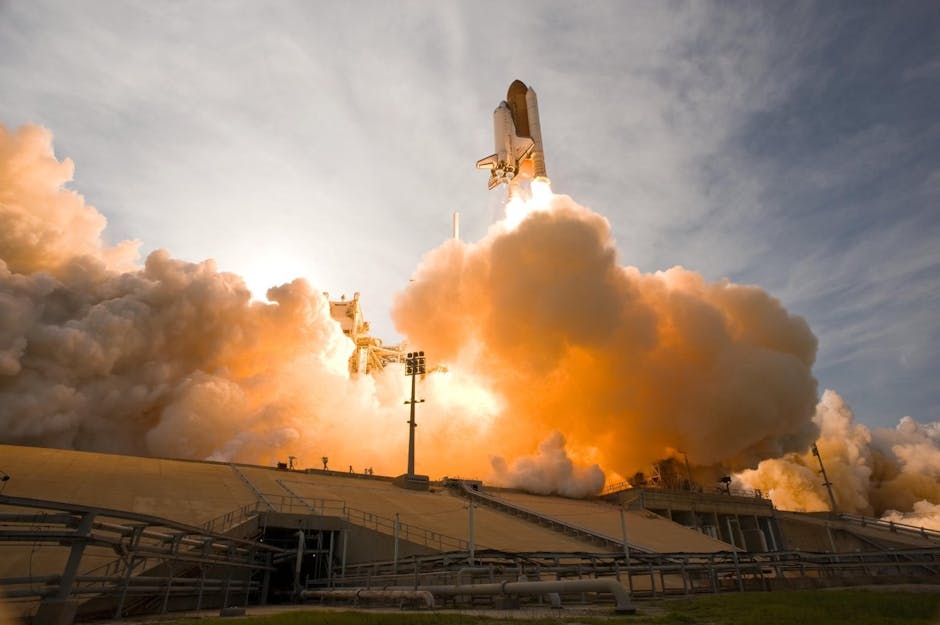
- The Artemis II mission marks a significant milestone in NASA’s plan to return humans to the moon by 2025 and establish a sustainable presence on the lunar surface.
- The mission successfully tested the capabilities of the Space Launch System (SLS) rocket and the Orion spacecraft, paving the way for future manned missions to the moon and Mars.
- The Artemis II mission provided valuable insights into the effects of space travel on the human body, essential for future long-duration missions to the moon and Mars.
- The mission demonstrated the capabilities of the SLS rocket, the most powerful rocket ever built, which will be used for future manned missions to the moon and Mars.
- The Artemis II mission is a crucial step in NASA’s ambitious plan to explore the solar system, with the ultimate goal of sending humans to Mars.
The Artemis II mission has successfully completed its historic journey around the moon, marking a significant milestone in NASA’s ambitious plan to return humans to the lunar surface and eventually send them to Mars. The mission, which launched earlier this year, aimed to test the capabilities of the Space Launch System (SLS) rocket and the Orion spacecraft, and to pave the way for future manned missions to the moon and beyond. In a phone call with the astronauts, former President Trump congratulated them on their achievement, highlighting the importance of this mission for the future of space exploration.
The Significance of the Artemis II Mission

The Artemis II mission is a crucial step in NASA’s plan to return humans to the moon by 2025 and to establish a sustainable presence on the lunar surface. The mission has demonstrated the capabilities of the SLS rocket and the Orion spacecraft, which will be used for future manned missions to the moon and Mars. The success of the Artemis II mission has also marked a significant milestone in the development of the Space Launch System, which is the most powerful rocket ever built. The mission has also provided valuable insights into the effects of space travel on the human body, which will be essential for future long-duration missions to the moon and Mars.
Key Details of the Mission

The Artemis II mission was crewed by four astronauts, who spent several days in space, testing the systems of the Orion spacecraft and conducting scientific experiments. The mission included a flyby of the moon, which provided an opportunity for the astronauts to test the spacecraft’s navigation and communication systems. The mission also included a series of engine burns, which were used to adjust the spacecraft’s trajectory and to test its propulsion systems. The success of the mission has demonstrated the capabilities of the Orion spacecraft and the SLS rocket, and has paved the way for future manned missions to the moon and beyond.
Analysis of the Mission’s Success
The success of the Artemis II mission is a significant achievement for NASA and the space industry as a whole. The mission has demonstrated the capabilities of the SLS rocket and the Orion spacecraft, and has provided valuable insights into the effects of space travel on the human body. The mission has also marked a significant milestone in the development of the Space Launch System, which is the most powerful rocket ever built. The success of the mission has also highlighted the importance of international cooperation in space exploration, with the mission including contributions from several countries around the world. The data collected during the mission will be essential for future long-duration missions to the moon and Mars, and will help to inform the development of new technologies and strategies for deep space exploration.
Implications of the Mission’s Success
The success of the Artemis II mission has significant implications for the future of space exploration. The mission has demonstrated the capabilities of the SLS rocket and the Orion spacecraft, and has paved the way for future manned missions to the moon and beyond. The mission has also marked a significant milestone in the development of the Space Launch System, which is the most powerful rocket ever built. The success of the mission has also highlighted the importance of international cooperation in space exploration, and has demonstrated the value of collaboration and partnership in achieving complex goals. The mission has also provided valuable insights into the effects of space travel on the human body, which will be essential for future long-duration missions to the moon and Mars.
Expert Perspectives
Experts in the field of space exploration have praised the success of the Artemis II mission, highlighting its significance for the future of space travel. Dr. Maria Zuber, a leading expert in space exploration, noted that the mission has demonstrated the capabilities of the SLS rocket and the Orion spacecraft, and has paved the way for future manned missions to the moon and beyond. Dr. Zuber also highlighted the importance of international cooperation in space exploration, and noted that the mission has marked a significant milestone in the development of the Space Launch System. Other experts have also praised the mission’s success, noting that it has provided valuable insights into the effects of space travel on the human body, and has demonstrated the value of collaboration and partnership in achieving complex goals.
As the space industry looks to the future, the success of the Artemis II mission has raised important questions about the next steps for space exploration. Will the Artemis program be able to achieve its goal of returning humans to the moon by 2025, and what will be the implications of this achievement for the future of space travel? How will the success of the Artemis II mission inform the development of new technologies and strategies for deep space exploration, and what will be the role of international cooperation in achieving these goals? These are just a few of the questions that will be debated in the coming months and years, as the space industry continues to push the boundaries of what is possible in space exploration.