- The US consumer price index rose by 1.2% in March, the largest monthly increase in four years.
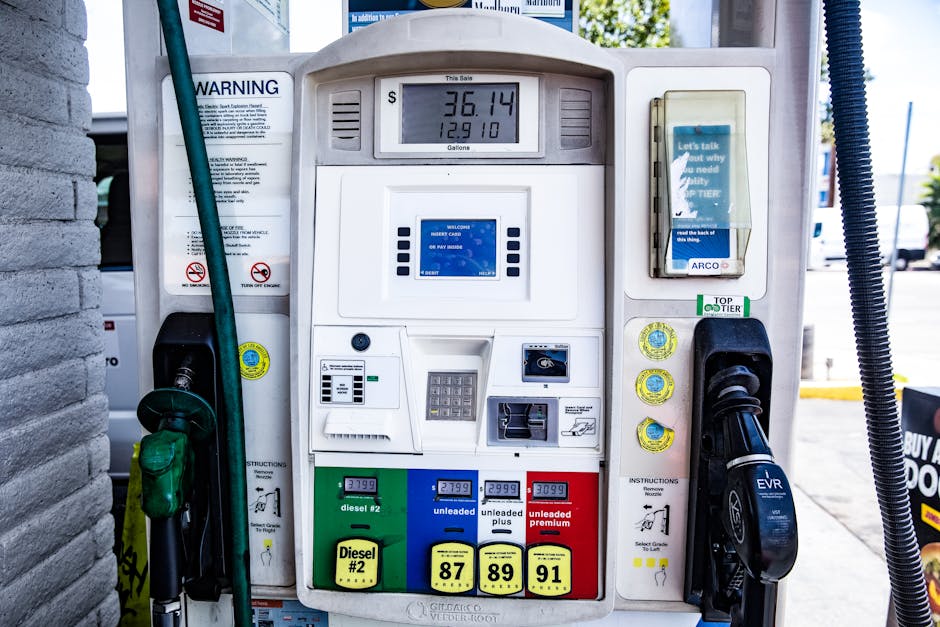
- Gasoline prices surged by 10.4% in March, the highest increase since 2009.
- The global pandemic has disrupted supply chains, leading to increased costs for various goods and services.
- The recent rise in gas prices directly impacts daily life and consumer spending.
- A prolonged increase in gas prices could signal the start of a longer-term trend of higher inflation.
In March, the U.S. consumer price index (CPI) rose by 1.2%, marking the largest monthly increase in four years. This surge, primarily driven by a 10.4% jump in gasoline prices, has sent shockwaves through the economy, highlighting the vulnerability of household budgets to external energy market fluctuations. The data, released by the Bureau of Labor Statistics, underscores the broader challenges facing the Federal Reserve as it aims to keep inflation in check while navigating a complex global economic landscape.
The Inflation Surge: A Closer Look

The spike in inflation is not just a one-off event but a reflection of broader economic trends. The global pandemic has disrupted supply chains, leading to increased costs for various goods and services. However, the recent rise in gas prices is particularly significant, as it directly impacts daily life and consumer spending. This increase is also a concern for policymakers, as it could signal the beginning of a longer-term trend of higher inflation, complicating monetary and fiscal strategies.
Gas Prices: The Primary Culprit

The 10.4% increase in gasoline prices in March is the highest since 2009, and it is largely attributed to the recovery in crude oil prices and the resumption of economic activities. As more people return to work and travel, the demand for fuel has surged. Additionally, production cuts by major oil producers and geopolitical tensions in key oil-exporting regions have contributed to the price hike. This has not only affected drivers but also businesses that rely on transportation, leading to higher operational costs and potentially higher prices for consumers.
Economic Analysis: Causes and Effects
The surge in gas prices and the resulting inflation spike can be traced to several factors, including global supply and demand dynamics, production cuts by OPEC+, and the easing of pandemic-related restrictions. Economists argue that while this increase is significant, it may be temporary as the economy continues to recover and supply chains stabilize. However, the longer-term implications are uncertain, and the Federal Reserve will need to monitor the situation closely to ensure that inflation remains within its target range. The data also suggests that consumer confidence, which had been improving, could be dented by these higher costs, potentially slowing down the economic recovery.
Implications for Households and the Economy
The sharp rise in gas prices and overall inflation has a direct impact on household budgets, especially for lower-income families who spend a larger proportion of their income on essential goods like fuel. Higher transportation costs can also lead to increased prices for everyday items, further straining consumer wallets. For the broader economy, this inflation spike could complicate efforts to stimulate growth and recovery, as higher prices may lead to reduced consumer spending and increased costs for businesses.
Expert Perspectives
Economists from the University of Chicago and the Brookings Institution offer contrasting views on the inflation spike. While some believe it is a short-term anomaly driven by temporary factors, others warn that it could be a harbinger of more persistent inflationary pressures. The debate centers on the Fed’s response and whether current monetary policies are sufficient to address these challenges.
Looking ahead, the key question is whether this inflation spike will be a fleeting phenomenon or a more lasting trend. Analysts suggest that continued monitoring of energy prices, supply chain disruptions, and economic recovery indicators will be crucial. The Federal Reserve’s next steps in managing interest rates and monetary policy will also play a significant role in determining the trajectory of inflation in the coming months.