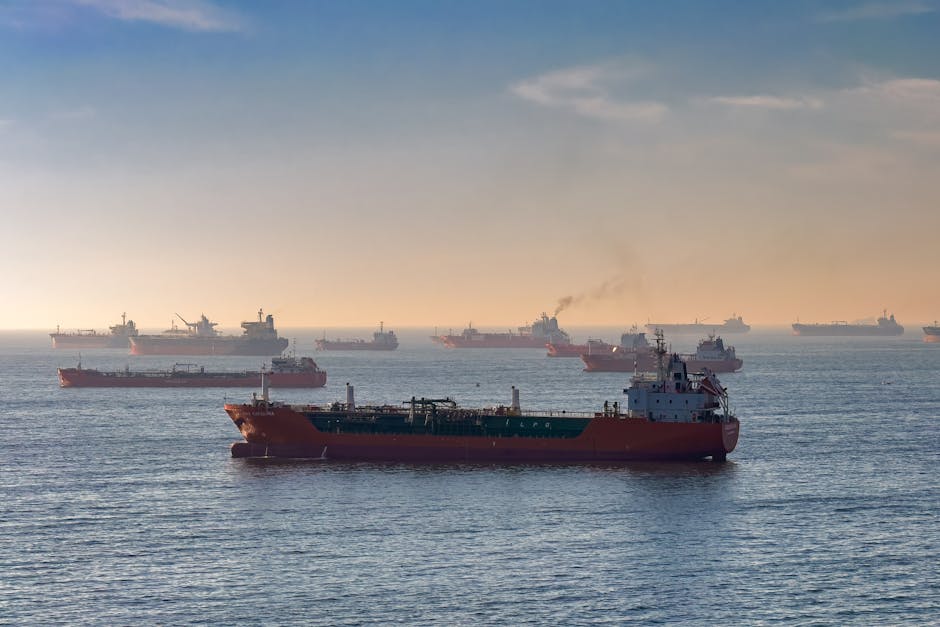
- Shipping in the Strait of Hormuz is still sluggish due to ongoing tensions between the US and Iran.
- The average waiting time for vessels to transit the strait has increased by over 50%.
- Increased waiting times have led to millions of dollars in additional costs for shipping companies.
- The Strait of Hormuz is a critical chokepoint for global oil trade, with 18 million barrels passing through daily.
- Some shipping companies are rerouting vessels to avoid the strait, opting for longer and more expensive routes.
Despite the recent US-Iran ceasefire, shipping in the Strait of Hormuz remains at a trickle, with oil tankers facing significant delays and increased costs. The critical waterway, which accounts for nearly a third of global oil shipments, has seen a dramatic decline in traffic since the escalation of tensions between the two nations. According to recent data, the average waiting time for vessels to transit the strait has increased by over 50%, resulting in millions of dollars in additional costs for shipping companies and potentially disrupting global oil supplies.
Background on the Strait of Hormuz

The Strait of Hormuz has long been a flashpoint in the region, with the US and Iran engaging in a war of words over freedom of navigation and regional security. The strait, which connects the Persian Gulf to the Gulf of Oman, is a critical chokepoint for global oil trade, with over 18 million barrels of oil passing through it every day. The recent escalation of tensions, which included the downing of a US drone and the seizure of a British-flagged tanker, has raised concerns about the safety and security of shipping in the region. As a result, many shipping companies have chosen to reroute their vessels, opting for longer and more expensive routes to avoid the strait.
Key Details of the US-Iran Ceasefire

Despite the ceasefire, which was brokered by European diplomats, tensions between the US and Iran remain high. The US has accused Iran of failing to live up to its agreement to reopen the strait and ensure the safe passage of vessels. Iran, on the other hand, has maintained that it has taken steps to reduce tensions and improve security in the region. However, the continued presence of Iranian naval vessels and the recent seizure of a UAE-based tanker have raised concerns about the effectiveness of the ceasefire. The US has responded by deploying additional naval assets to the region, including the USS Abraham Lincoln aircraft carrier, in a bid to deter Iranian aggression.
Analysis of the Situation
Experts warn that the ongoing tensions in the Strait of Hormuz could have significant implications for global oil supplies and the broader economy. The increased costs and delays faced by shipping companies could result in higher fuel prices for consumers, potentially slowing economic growth. Furthermore, the continued instability in the region could lead to a wider conflict, drawing in other nations and destabilizing the global oil market. According to data from the International Energy Agency, the global oil market is already facing a significant deficit, with demand outpacing supply by over 1 million barrels per day. The situation in the Strait of Hormuz could exacerbate this deficit, leading to a surge in oil prices and potentially triggering a global economic downturn.
Implications for Global Trade
The ongoing tensions in the Strait of Hormuz have significant implications for global trade, particularly for countries that rely heavily on oil imports. The increased costs and delays faced by shipping companies could result in higher fuel prices for consumers, potentially slowing economic growth. Furthermore, the continued instability in the region could lead to a wider conflict, disrupting global supply chains and destabilizing the global economy. The situation is being closely watched by traders and investors, who are bracing for potential disruptions to global oil supplies and the broader economy.
Expert Perspectives
Experts are divided on the effectiveness of the US-Iran ceasefire, with some warning that the agreement is fragile and could collapse at any moment. Others argue that the ceasefire represents a significant step forward, providing a framework for reducing tensions and improving security in the region. According to Dr. Sanam Vakil, a Middle East expert at Chatham House, the ceasefire is a positive development, but it is unlikely to lead to a significant improvement in relations between the US and Iran in the near term. “The US and Iran have fundamentally different views on the region and the role of the US in it,” she said. “While the ceasefire is a welcome development, it is unlikely to lead to a lasting peace without a more comprehensive agreement on the underlying issues.”
Looking ahead, the situation in the Strait of Hormuz remains uncertain, with many questions still unanswered. Will the US and Iran be able to reach a lasting agreement, or will tensions continue to escalate? How will the global economy be affected by the ongoing instability in the region? As the situation continues to unfold, one thing is clear: the Strait of Hormuz remains a critical flashpoint in the region, with significant implications for global oil supplies and the broader economy.