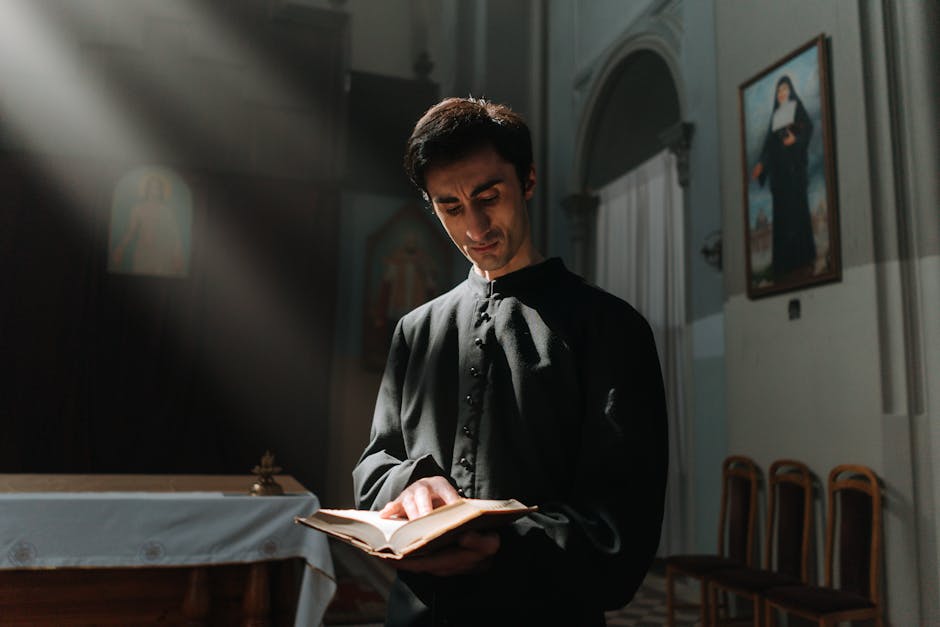
- The Roman Catholic Church is grappling with removing artwork by accused priest Rev. Marko Ivan Rupnik due to allegations of abuse.
- Rupnik’s artwork is found in churches and cathedrals worldwide, including the Vatican, sparking a heated debate about its removal.
- The controversy raises questions about the intersection of art, faith, and morality in the wake of abuse allegations.
- The Church struggles to separate Rupnik’s art from his actions, with many wondering if his work should be displayed in places of worship.
- Allegations against Rupnik have led to a re-examination of his legacy and the artwork he has created over the years.
The Roman Catholic Church is grappling with a sensitive issue: what to do with the artwork of a priest accused of sexual abuse. The Rev. Marko Ivan Rupnik, a renowned artist, has installed stunning mosaics in churches and cathedrals around the world, including at the Vatican. However, allegations of abuse by nuns have sparked a heated debate about whether his work should be removed. This controversy has raised important questions about the intersection of art, faith, and morality, and how the Church should respond to accusations of abuse against one of its own.
The Accused Priest’s Artistic Legacy

The Rev. Marko Ivan Rupnik is a Jesuit priest from Slovenia who has been creating intricate mosaics for decades. His work can be found in churches and cathedrals across the globe, and he has been praised for his unique style and attention to detail. However, in recent years, several nuns have come forward accusing Rupnik of sexual abuse, leading to a re-examination of his legacy and the artwork he has created. As the Church struggles to come to terms with the allegations, many are left wondering whether his art can be separated from his actions, and whether it is appropriate to continue displaying his work in places of worship.
Allegations and Aftermath

In 2020, several nuns from a convent in Slovenia accused Rupnik of sexual abuse, alleging that he had used his position of power to exploit and manipulate them. The allegations were made public, and an investigation was launched by the Church. While Rupnik has denied the allegations, the controversy has sparked a wider debate about the Church’s handling of abuse cases and its response to allegations against clergy. The case has also raised questions about the role of art and artists in the Church, and whether those accused of abuse should be allowed to continue creating and displaying their work.
Analysis and Implications
The debate over Rupnik’s artwork is complex and multifaceted, with some arguing that his art should be removed as a sign of respect for the victims of abuse, while others believe that it is possible to separate the art from the artist. Some experts point out that removing the artwork could be seen as an attempt to erase the past and avoid accountability, while others argue that it is a necessary step towards healing and reconciliation. The case also highlights the need for greater transparency and accountability within the Church, and the importance of creating a safe and supportive environment for victims of abuse to come forward.
Broader Implications for the Church
The controversy surrounding Rupnik’s artwork has significant implications for the Roman Catholic Church as a whole. The Church has faced numerous scandals and criticisms in recent years, including allegations of abuse and cover-ups, and the Rupnik case has brought these issues back into the spotlight. The Church’s response to the allegations and its handling of the controversy will be closely watched, and will likely have a significant impact on its reputation and relationships with its followers. As the Church navigates this complex and sensitive issue, it must balance its commitment to justice and accountability with its desire to promote healing and reconciliation.
Expert Perspectives
Experts are divided on the issue, with some arguing that Rupnik’s artwork should be removed as a sign of respect for the victims of abuse. “The Church has a moral obligation to prioritize the well-being and dignity of the victims,” says one expert. “Removing the artwork is a necessary step towards healing and reconciliation.” Others, however, believe that the artwork can be separated from the artist, and that it is possible to appreciate the beauty and significance of the art without condoning the actions of the artist. “The artwork is a separate entity from the artist,” says another expert. “It is possible to appreciate the art without endorsing the behavior of the artist.”
As the debate continues, one thing is clear: the Church must take a careful and nuanced approach to this complex issue. The question of what to do with Rupnik’s artwork is not just a matter of aesthetics, but a deeply moral and ethical one. As the Church moves forward, it must prioritize the well-being and dignity of the victims, while also promoting healing, reconciliation, and justice. The future of Rupnik’s artwork, and the Church’s response to allegations of abuse, will be closely watched, and will likely have a significant impact on the Church’s relationships with its followers and the wider community.