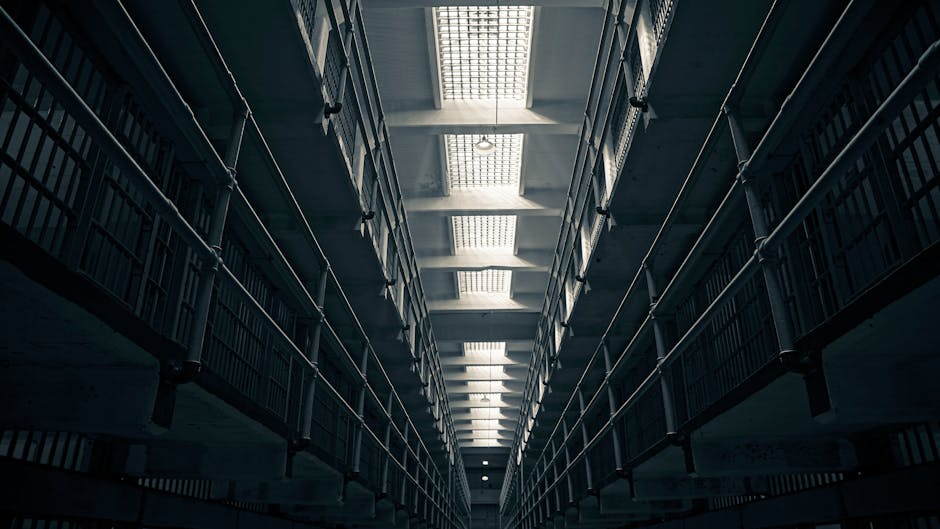
- Palestinian journalist Muath Amarne lost his prosthetic eye due to an infection in Israeli detention.
- Israeli prison conditions for Palestinian detainees have been criticized for overcrowding, inadequate medical care, and poor sanitation.
- Human rights organizations and advocacy groups have long raised concerns about the treatment of Palestinian prisoners in Israeli prisons.
- The Israeli-Palestinian conflict has led to the detention of many Palestinian journalists, including Muath Amarne, highlighting the need for improved living conditions.
- The loss of Amarne’s prosthetic eye highlights the urgent need for reform and improved standards within Israeli prisons.
A striking fact has emerged from the Israeli-Palestinian conflict, highlighting the dire conditions faced by detainees in Israeli prisons. Muath Amarne, a Palestinian journalist, has spoken out about the harrowing experience of losing his prosthetic eye while in Israeli detention. The incident occurred after an infection took hold, further exacerbating the already precarious health conditions Amarne faced. This disturbing account sheds light on the often-overlooked plight of Palestinian prisoners and the need for improved living conditions and access to medical care within Israeli prisons.
Background on Israeli Prison Conditions

The issue of Israeli prison conditions has been a longstanding concern for human rights organizations and advocacy groups. The detention of Palestinians, including journalists like Muath Amarne, has sparked intense debate and scrutiny over the years. With reports of overcrowding, inadequate access to medical care, and poor sanitation, the health and wellbeing of prisoners are often compromised. As the Israeli-Palestinian conflict continues to unfold, the treatment of detainees remains a critical aspect of the broader discussion on human rights and international law. The loss of Amarne’s prosthetic eye serves as a stark reminder of the urgent need for reform and improved standards within Israeli prisons.
Details of Muath Amarne’s Detention

Muath Amarne’s experience in Israeli detention is a sobering account of the challenges faced by Palestinian prisoners. After being taken into custody, Amarne’s health began to deteriorate, culminating in the loss of his prosthetic eye due to an infection. The incident has raised questions about the quality of medical care provided to prisoners and the measures in place to prevent such incidents. As a journalist, Amarne’s detention and subsequent health issues have also sparked concerns about press freedom and the targeting of media professionals in the conflict. The details of Amarne’s case serve as a powerful illustration of the human cost of the Israeli-Palestinian conflict and the need for greater accountability and protection of prisoners’ rights.
Analysis of the Incident
An analysis of the incident reveals a complex interplay of factors contributing to the loss of Amarne’s prosthetic eye. The infection that led to the incident is a clear indication of the inadequate medical care and unsanitary conditions prevalent in Israeli prisons. Furthermore, the detention of journalists like Amarne raises important questions about the limits of press freedom and the role of media professionals in conflict zones. Expert opinions suggest that the incident is a symptom of a broader issue, namely the erosion of human rights and the rule of law in the context of the Israeli-Palestinian conflict. As such, the incident serves as a catalyst for renewed calls for reform and improved standards in Israeli prisons, as well as greater protection for journalists and media professionals.
Implications of the Incident
The implications of Muath Amarne’s experience are far-reaching, affecting not only the journalist himself but also the broader community of Palestinian prisoners and journalists. The incident highlights the need for urgent reform in Israeli prisons, including improved access to medical care and enhanced living conditions. Moreover, the targeting of journalists like Amarne has a chilling effect on press freedom, undermining the ability of media professionals to report on the conflict without fear of reprisal. As the international community continues to grapple with the complexities of the Israeli-Palestinian conflict, the incident serves as a stark reminder of the need for greater accountability and protection of human rights.
Expert Perspectives
Expert opinions on the incident vary, with some emphasizing the need for improved prison conditions and others highlighting the importance of protecting journalists’ rights. According to some analysts, the incident is a clear indication of the need for a more nuanced approach to the Israeli-Palestinian conflict, one that prioritizes human rights and the rule of law. Others argue that the incident is a symptom of a broader issue, namely the lack of accountability and transparency in Israeli prisons. As such, the incident has sparked a renewed debate about the role of international organizations and human rights groups in promoting reform and protecting the rights of Palestinian prisoners and journalists.
Looking ahead, the incident raises important questions about the future of Israeli prisons and the treatment of Palestinian detainees. As the international community continues to monitor the situation, it remains to be seen whether the incident will serve as a catalyst for meaningful reform. One open question is whether the Israeli authorities will take concrete steps to address the concerns raised by Amarne’s experience, including improving prison conditions and protecting the rights of journalists. As the situation unfolds, it is clear that the incident will remain a pressing concern for human rights organizations, advocacy groups, and the international community at large.