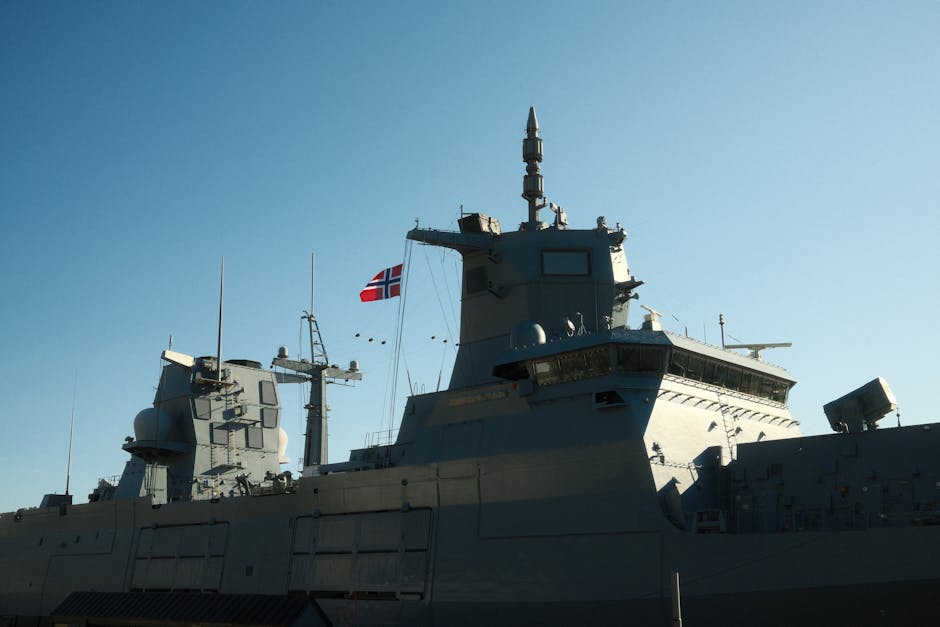
- NATO’s survival is at risk due to tensions between the US and Iran, threatening the alliance’s unity and effectiveness.
- The war in Iran has deepened a rift in the transatlantic alliance, raising questions about NATO’s future without a unified vision.
- The US withdrawal from NATO is being considered, which could have far-reaching consequences for global security and stability.
- Long-standing divisions within NATO, particularly between the US and European member states, have exposed the alliance’s weaknesses.
- NATO’s ability to respond effectively to emerging threats is being compromised by the lack of cohesion among its member states.
The North Atlantic Treaty Organization, or NATO, is facing its most significant challenge in recent history as tensions between the US and Iran continue to escalate. With the US considering a potential withdrawal from the alliance, NATO’s very existence is being called into question. The war in Iran has deepened a rift in the transatlantic alliance, raising questions about whether it can endure without its most powerful member. As one diplomat noted, “we are closer to a break than ever before,” highlighting the gravity of the situation.
The Fracturing of the Transatlantic Alliance

The current crisis in US-Iran relations has exposed long-standing divisions within NATO, particularly between the US and European member states. The alliance has struggled to present a united front in the face of rising tensions, with some members, such as Germany and France, advocating for a more diplomatic approach, while others, like the US, have pushed for a more aggressive stance. This lack of cohesion has raised concerns about the alliance’s ability to respond effectively to emerging threats, and has led some to question whether NATO can continue to function without a unified vision.
Key Players and Interests

The US, as the largest and most influential member of NATO, plays a crucial role in the alliance’s decision-making process. However, the Trump administration’s “America First” policy has led to increased tensions with other member states, particularly over issues such as defense spending and trade. Meanwhile, Iran has become a focal point for US foreign policy, with the administration imposing stringent sanctions and engaging in a war of words with Iranian leaders. As the situation continues to deteriorate, other key players, including European leaders and NATO officials, are scrambling to find a way to de-escalate the crisis and preserve the alliance.
Causes and Consequences of the Crisis
Experts point to a combination of factors contributing to the current crisis, including the US’s shifting foreign policy priorities, the rise of nationalism in Europe, and the increasingly complex global security landscape. The consequences of a potential US withdrawal from NATO could be severe, with some predicting a collapse of the alliance and a subsequent shift in the global balance of power. Others argue that a US exit could lead to a more fragmented and unstable Europe, as individual member states are forced to go it alone in the face of emerging threats. According to one analyst, “a US withdrawal would be a disaster for NATO, and would likely lead to a fundamental rethink of European security architecture.”
Implications for Global Security
The potential implications of a NATO collapse are far-reaching, with significant consequences for global security. Without a unified alliance, individual member states may be forced to rely on their own military capabilities, leading to a more fragmented and potentially unstable security landscape. This could have a ripple effect, emboldening adversaries such as Russia and China, and creating new opportunities for conflict. Furthermore, a collapse of NATO could also have significant economic implications, as trade relationships and investment flows are disrupted by the uncertainty and instability.
Expert Perspectives
Experts are divided on the likelihood of a US withdrawal from NATO, with some arguing that the alliance remains a vital component of US foreign policy, while others see the writing on the wall. According to one former NATO official, “the US has been drifting away from NATO for some time, and it’s only a matter of time before they make a formal exit.” In contrast, others argue that the alliance remains a cornerstone of US security policy, and that a withdrawal would be a catastrophic mistake. As one expert noted, “NATO is the only game in town when it comes to European security, and the US would be foolish to abandon it.”
Looking ahead, the key question is what the future holds for NATO, and whether the alliance can be preserved in the face of rising tensions and conflicting interests. As one analyst noted, “the next few months will be critical in determining the fate of NATO, and the US will need to decide whether it is committed to the alliance or not.” With the stakes higher than ever, the world will be watching with bated breath as the drama unfolds, and the future of the transatlantic alliance hangs in the balance.