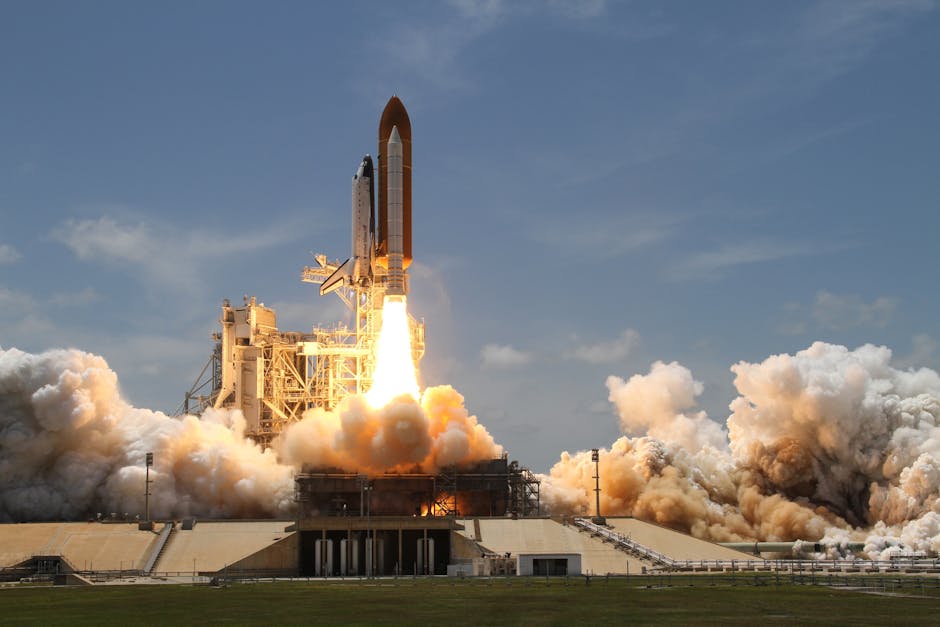
- NASA’s Artemis II mission marks a milestone in human space travel with a 10-day lunar odyssey and a successful splashdown.
- The mission expands our knowledge of the moon and its surroundings, paving the way for future space exploration.
- The Artemis II mission tests the capabilities of the Orion capsule and the Space Launch System (SLS) rocket.
- The four astronauts on board underwent rigorous training to prepare for the challenges of space travel.
- The mission is a significant step towards establishing a sustainable presence on the lunar surface.
The number of human beings who have travelled to the moon and returned safely to Earth will grow to 28 when NASA’s Orion capsule containing four Artemis II astronauts glides gently to a Pacific Ocean splashdown beneath three giant parachutes. This remarkable achievement marks the end of a 10-day lunar odyssey that has made history and paved the way for future space exploration. The Artemis II mission has been a groundbreaking journey, pushing the boundaries of human space travel and expanding our knowledge of the moon and its surroundings. With the successful completion of this mission, NASA has taken a significant step towards establishing a sustainable presence on the lunar surface.
Mission Background

The Artemis II mission has been years in the making, with NASA working tirelessly to develop the necessary technology and expertise to send humans back to the moon. The mission has been designed to test the capabilities of the Orion capsule and the Space Launch System (SLS) rocket, which will be used for future lunar missions. The four astronauts on board have undergone rigorous training to prepare for the challenges of space travel and the demands of the mission. As the mission comes to an end, the astronauts will have spent 10 days in space, completing a lunar flyby and gathering valuable data that will inform future missions.
Lunar Flyby and Mission Highlights

The Artemis II mission has been a resounding success, with the astronauts completing a lunar flyby and gathering crucial data about the moon’s surface and surroundings. The mission has also tested the Orion capsule’s navigation and communication systems, as well as the SLS rocket’s performance. The astronauts have worked tirelessly to conduct scientific experiments and gather data, which will be used to improve our understanding of the moon and its potential for human exploration. The mission has been a remarkable achievement, demonstrating the capabilities of NASA’s spacecraft and the bravery and skill of its astronauts.
Mission Analysis and Implications
The Artemis II mission has significant implications for the future of space exploration. The success of the mission demonstrates that NASA has the capability to send humans to the moon and return them safely to Earth. This paves the way for future missions, including the establishment of a sustainable presence on the lunar surface. The mission has also gathered valuable data that will inform future missions, including the development of new technologies and strategies for lunar exploration. As NASA looks to the future, the Artemis II mission will be seen as a major milestone in the journey to establish a human presence in space.
Expert Perspectives and Future Plans
The Artemis II mission has been hailed as a success by experts in the field, who praise the bravery and skill of the astronauts and the ingenuity of NASA’s engineers. As the mission comes to an end, experts are already looking to the future, with plans to establish a sustainable presence on the lunar surface and to explore deeper into space. The success of the Artemis II mission has also sparked interest and excitement among the general public, inspiring a new generation of scientists, engineers, and astronauts.
Implications and Future Directions
The Artemis II mission has significant implications for the future of space exploration, with the potential to establish a sustainable presence on the lunar surface and to explore deeper into space. The mission has demonstrated the capabilities of NASA’s spacecraft and the bravery and skill of its astronauts, paving the way for future missions. As NASA looks to the future, the Artemis II mission will be seen as a major milestone in the journey to establish a human presence in space. The success of the mission has also sparked interest and excitement among the general public, inspiring a new generation of scientists, engineers, and astronauts.
Expert Perspectives
Experts in the field have praised the Artemis II mission, highlighting its significance and importance for the future of space exploration. The mission has demonstrated the capabilities of NASA’s spacecraft and the bravery and skill of its astronauts, paving the way for future missions. As NASA looks to the future, the Artemis II mission will be seen as a major milestone in the journey to establish a human presence in space. The success of the mission has also sparked interest and excitement among the general public, inspiring a new generation of scientists, engineers, and astronauts.
The future of space exploration looks bright, with NASA and other space agencies around the world working towards establishing a sustainable presence in space. The Artemis II mission has been a significant step towards achieving this goal, and its success will inspire and motivate future generations of scientists, engineers, and astronauts. As we look to the future, it will be exciting to see what new discoveries and achievements are made, and how the Artemis II mission will be remembered as a major milestone in the journey to establish a human presence in space.