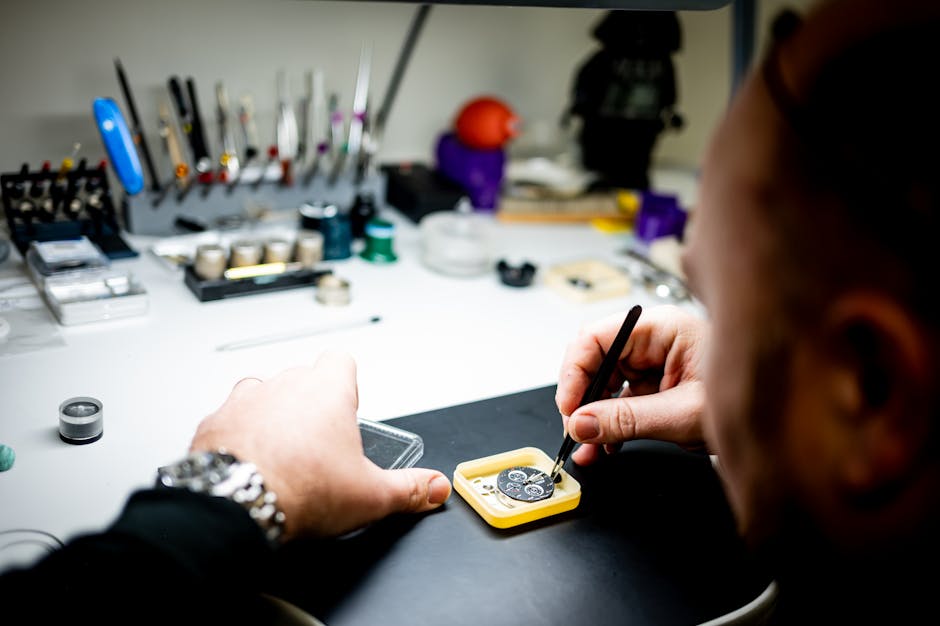
- The mechanical watch industry has seen a 10% surge in sales over the past year, defying expectations of its demise.
- Mechanical watches offer a unique blend of craftsmanship, heritage, and beauty, appealing to consumers seeking meaningful possessions.
- The evolution of watchmaking has spanned centuries, with new materials, mechanisms, and technologies being introduced over time.
- The tactile and sensory experience of mechanical watches has become increasingly desirable in a digital world.
- Luxury mechanical timepieces have become a status symbol, prized for their intricate mechanisms and craftsmanship.
The mechanical watch, once considered a relic of the past, has experienced a remarkable resurgence in popularity, with sales of luxury mechanical timepieces surging by over 10% in the past year alone. This striking trend has left many in the industry wondering what is driving this sudden interest in traditional watchmaking. With the rise of smartwatches and digital time-telling devices, it seemed as though the mechanical watch was destined for obscurity. However, it appears that the allure of craftsmanship, heritage, and beauty has won out, as consumers increasingly seek unique and meaningful possessions.
The Evolution of Watchmaking

The mechanical watch has a rich history, dating back to the 16th century, when the first pocket watches were produced. Over the centuries, watchmaking has evolved, with the introduction of new materials, mechanisms, and technologies. However, the fundamental principles of mechanical watchmaking have remained largely unchanged. The intricate dance of gears, springs, and balances continues to fascinate watch enthusiasts, who appreciate the beauty and complexity of these miniature machines. As the world becomes increasingly digital, the appeal of a mechanical watch, with its tactile and sensory experience, has become more pronounced, making it a desirable possession for those who value tradition and craftsmanship.
Key Players and Innovations

The resurgence of mechanical watches can be attributed, in part, to the innovations of key players in the industry. Brands such as Patek Philippe, Audemars Piguet, and Vacheron Constantin have continued to push the boundaries of watchmaking, introducing new complications, materials, and designs. The development of silicon-based components, for example, has enabled watchmakers to create more accurate and reliable timepieces, while the use of innovative materials, such as carbon fiber and titanium, has led to the creation of lighter, more durable watches. Furthermore, the rise of independent watchmakers, who are free to experiment and innovate without the constraints of large corporations, has contributed to the diversity and creativity of the industry.
Market Analysis and Trends
The mechanical watch market is characterized by a complex interplay of factors, including supply and demand, marketing and branding, and cultural and social trends. The rise of social media, for example, has enabled watch enthusiasts to connect and share their passion, creating a sense of community and driving interest in mechanical watches. Additionally, the growing awareness of the importance of craftsmanship and heritage has led to an increased appreciation for the value and beauty of mechanical timepieces. As a result, the market for mechanical watches has become more diverse, with a wider range of brands, models, and price points available to consumers, making it more accessible and appealing to a broader audience.
Implications and Consequences
The resurgence of mechanical watches has significant implications for the industry and consumers alike. As demand for mechanical timepieces continues to grow, manufacturers are facing increasing pressure to meet the needs of a discerning and knowledgeable clientele. This has led to a focus on quality, innovation, and customer service, as brands strive to differentiate themselves and establish a loyal customer base. Furthermore, the growing interest in mechanical watches has also driven the development of related industries, such as watch repair and restoration, and the creation of new businesses and services catering to the needs of watch enthusiasts.
Expert Perspectives
Experts in the industry offer contrasting viewpoints on the resurgence of mechanical watches. Some argue that the trend is driven by a desire for unique and exclusive possessions, while others see it as a reaction against the homogenization of modern technology. According to one expert, “The mechanical watch is a symbol of craftsmanship, heritage, and tradition, and its appeal lies in its ability to connect us to the past, while also representing a commitment to quality and excellence.” Another expert notes, “The resurgence of mechanical watches is a reflection of our desire for tangible, sensory experiences in a world that is increasingly digital and virtual.”
As the mechanical watch continues to evolve and innovate, it will be interesting to watch how the industry responds to changing consumer demands and technological advancements. Will the rise of smartwatches and digital time-telling devices ultimately lead to the decline of the mechanical watch, or will the allure of craftsmanship and tradition continue to drive demand for these beautiful and intricate timepieces? Only time will tell, but for now, it seems that the mechanical watch is here to stay, a testament to the enduring power of tradition, innovation, and beauty.