- Lebanon is facing a severe humanitarian crisis with over a million people displaced and struggling to access basic necessities.
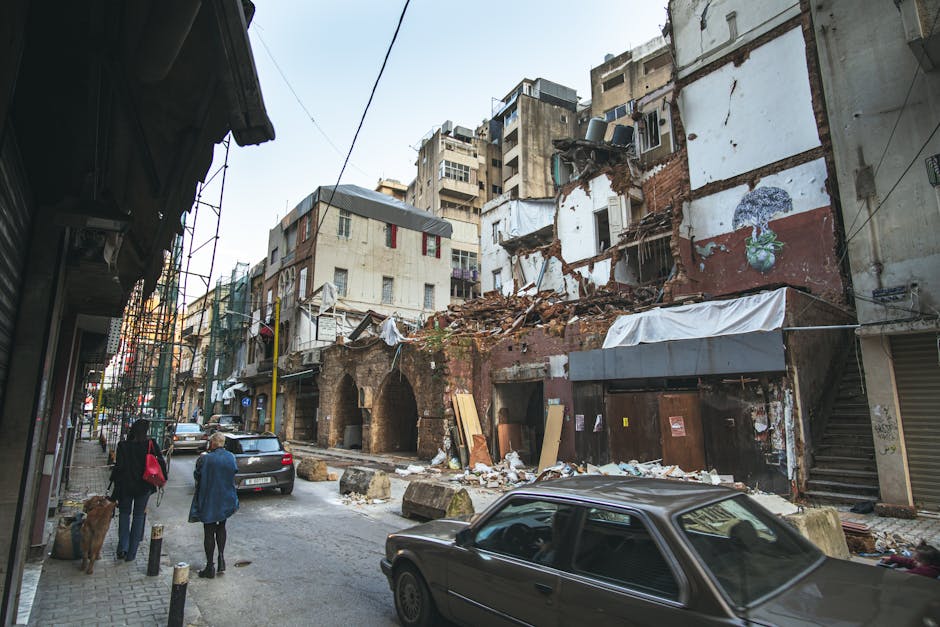
- The conflict between Israel and Hezbollah has left thousands of homes destroyed or damaged, leaving families in makeshift shelters.
- The international community is calling for an immediate ceasefire to alleviate the suffering of civilians in Lebanon.
- The crisis is a culmination of decades-long tensions between Israel and Hezbollah, with periodic outbreaks of violence.
- The displacement of a million people has put a massive strain on Lebanon’s resources, affecting access to healthcare and education.
The images of war-torn Lebanon are a stark reminder of the devastating impact of conflict on civilians. With over a million people displaced from their homes, the country is struggling to cope with the humanitarian crisis. The recent clashes between Israel and Hezbollah have left many without access to basic necessities like food, water, and shelter. The statistics are alarming, with thousands of homes destroyed, and many more damaged, leaving families to fend for themselves in makeshift shelters. The international community is calling for an immediate ceasefire, but the situation on the ground remains dire.
The Human Cost of War

The current crisis in Lebanon is a culmination of years of tensions between Israel and Hezbollah. The conflict has been simmering for decades, with periodic outbreaks of violence. However, the recent escalation has been particularly devastating, with both sides suffering heavy losses. The humanitarian situation is precarious, with many civilians caught in the crossfire. The displacement of a million people has put a massive strain on the country’s resources, with many struggling to access basic services like healthcare and education. The situation is a stark reminder of the human cost of war and the need for a lasting solution to the conflict.
Escalating Violence

The recent clashes between Israel and Hezbollah have been marked by escalating violence, with both sides exchanging rocket fire and airstrikes. The conflict has spread to many parts of the country, with many towns and cities affected. The Lebanese government has been struggling to maintain order, with many areas beyond its control. The international community has been calling for restraint, but the situation on the ground remains volatile. The involvement of other regional players has further complicated the situation, with many fearing a wider conflict. The humanitarian situation is deteriorating by the day, with many civilians trapped in the midst of the fighting.
Analysis of the Conflict
Analysts say that the current conflict in Lebanon is a result of a complex web of factors, including regional politics, sectarian tensions, and historical grievances. The conflict has been fueled by the involvement of external players, including Iran and Saudi Arabia, which have been backing opposing sides. The situation has been further complicated by the presence of extremist groups, which have been seeking to exploit the chaos. The international community has been trying to broker a peace deal, but the talks have been slow to yield results. The situation remains precarious, with many fearing a wider conflict that could draw in other regional players.
Implications of the Crisis
The crisis in Lebanon has far-reaching implications for the region and beyond. The displacement of a million people has put a massive strain on the country’s resources, with many struggling to access basic services. The conflict has also had a significant impact on the regional economy, with trade and commerce disrupted. The situation has also raised concerns about the spread of extremism, with many fearing that the chaos could be exploited by extremist groups. The international community is calling for a lasting solution to the conflict, but the situation on the ground remains volatile.
Expert Perspectives
Experts say that the crisis in Lebanon requires a comprehensive solution that addresses the root causes of the conflict. Many are calling for a negotiated settlement that takes into account the concerns of all parties involved. Others are advocating for a more robust international response, including the deployment of peacekeeping troops. However, others argue that any solution must be tailored to the specific needs of the region, taking into account the complex web of factors that have contributed to the conflict. The situation remains complex, with many different perspectives on the best way forward.
As the situation in Lebanon continues to unfold, many are watching with bated breath to see what the future holds. The international community is calling for a lasting solution to the conflict, but the situation on the ground remains precarious. The coming weeks and months will be critical in determining the course of the conflict, with many fearing that the situation could escalate further. The question on everyone’s mind is what will happen next, and whether the international community can come together to find a solution to the crisis. The world is waiting with anticipation to see how the situation will unfold, and whether a lasting peace can be found for the people of Lebanon.