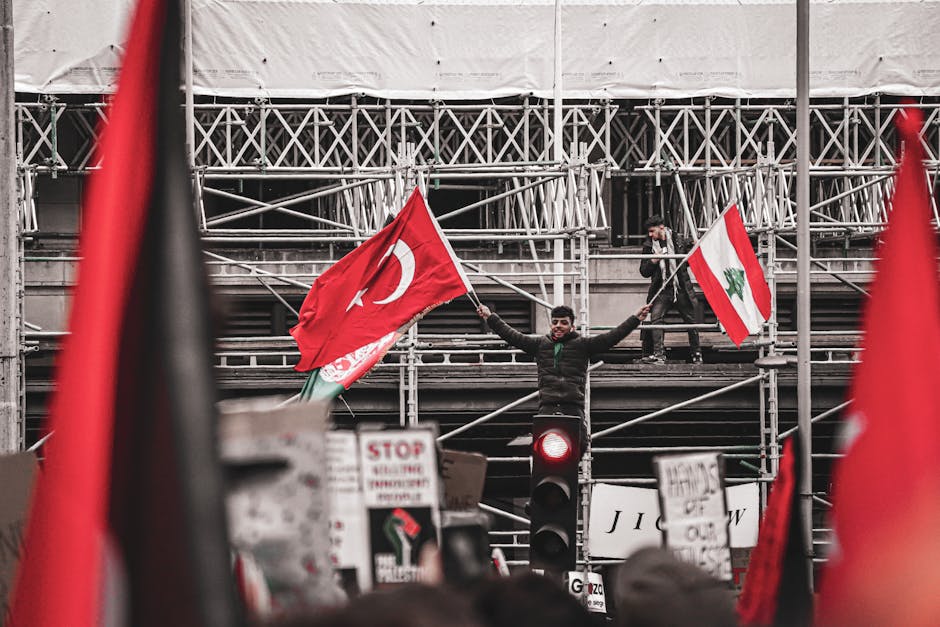
- Israel’s airstrikes on Lebanon have resulted in significant damage and casualties, escalating tensions in the region.
- Iran has vowed to retaliate against Israeli aggression, raising concerns of a wider conflict in the Middle East.
- The US is urging restraint and calling for a de-escalation of hostilities to return to ceasefire talks.
- The conflict between Israel and Iranian-backed militants in Lebanon has a long and complex history, fueled by distrust and periodic outbreaks of violence.
- The US, along with other international powers, is scrambling to broker a peaceful resolution to the crisis.
Iran’s parliament speaker Mohammad Bagher Ghalibaf warned on Wednesday that “time is running out” as Israeli attacks on Lebanon threaten to derail US-Iran ceasefire talks. The warning comes amid escalating tensions in the region, with Israel launching airstrikes on Lebanese territory in response to alleged Iranian-backed militant activity. The developments have raised concerns of a wider conflict, with the US and other international powers scrambling to broker a peaceful resolution.
Escalating Tensions

Key confirmed details indicate that Israel’s attacks on Lebanon have resulted in significant damage and casualties, with reports of Iranian-backed militants being targeted. The immediate impact has been a sharp escalation of tensions, with Iran vowing to retaliate against Israeli aggression. The US has urged restraint, calling for a de-escalation of hostilities and a return to ceasefire talks. However, with the situation on the ground deteriorating rapidly, hopes of a peaceful resolution appear to be fading.
Regional Context

The background to the current crisis lies in the long-standing conflict between Israel and Iranian-backed militants in Lebanon. The region has been a flashpoint for tensions, with periodic outbreaks of violence and a deep-seated distrust between the parties involved. The current escalation has been fueled by Israeli concerns over Iranian military activity in the region, which Tehran denies. Against this backdrop, the US has been seeking to broker a ceasefire, but the latest developments have thrown the talks into doubt.
What to Watch
As the situation continues to unfold, the next expected developments will be closely watched by international observers. The US is likely to increase diplomatic pressure on all parties to de-escalate, while Israel and Iran may engage in further military exchanges. The international community will be watching for any signs of a ceasefire breakdown, which could have far-reaching consequences for the region and beyond. With the clock ticking, the world waits with bated breath to see if a peaceful resolution can be found, or if the conflict will spiral out of control.