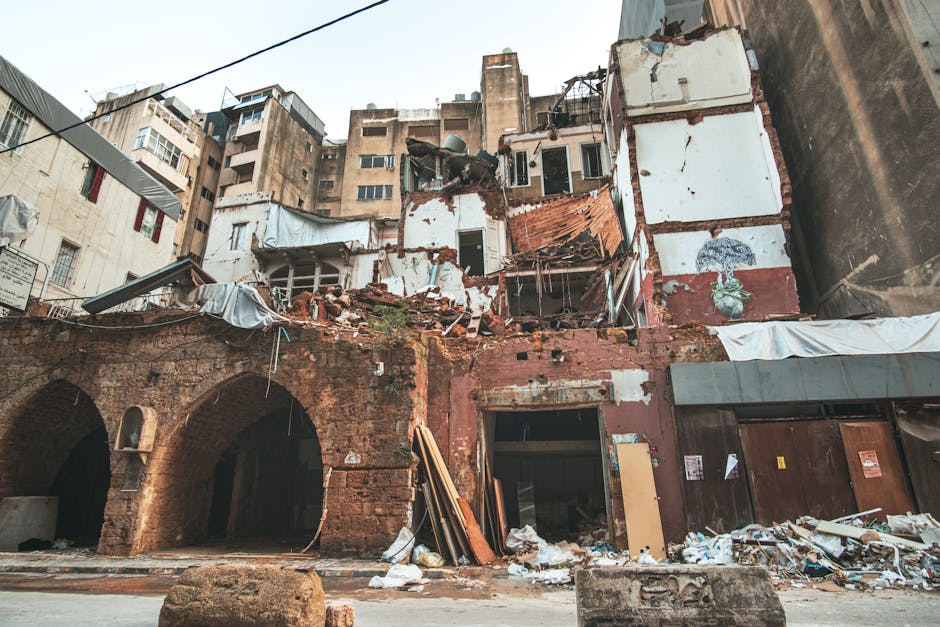
- Rapid and intense Israeli attacks on Lebanon resulted in one of the deadliest episodes in the country’s history within 10 minutes.
- The attacks sent shockwaves across the region, causing widespread destruction and chaos in Lebanon.
- The Israeli military targeted various locations across Lebanon, leaving a trail of devastation in its wake.
- The attacks have been condemned by world leaders, who are calling for an immediate cessation of hostilities.
- The humanitarian crisis in Lebanon is unfolding, with thousands of people displaced and in need of urgent assistance.
A series of rapid and intense Israeli attacks on Lebanon has resulted in one of the deadliest episodes in the country’s history, with hundreds of people killed in just 10 minutes. The attacks, which occurred on a day that will be etched in the memories of the Lebanese people, have sent shockwaves across the region. The Israeli military launched a barrage of strikes, targeting various locations across Lebanon, leaving a trail of destruction and chaos in its wake. The attacks, which were carried out with precision and speed, have been condemned by world leaders, who are calling for an immediate cessation of hostilities.
Aftermath of the Attacks

The immediate impact of the attacks has been devastating, with hundreds of people confirmed dead and many more injured. The Lebanese capital, once a bustling hub of activity, is now a scene of utter devastation, with buildings reduced to rubble and debris scattered everywhere. The country’s infrastructure has been severely damaged, with roads, bridges, and buildings destroyed or severely damaged. The humanitarian crisis is unfolding, with thousands of people displaced and in need of urgent assistance. The international community is scrambling to respond to the crisis, with aid pouring in from around the world.
Background to the Conflict

The conflict between Israel and Lebanon has a long and complex history, with tensions simmering for decades. The two countries have been locked in a bitter dispute over borders, territory, and resources, with periodic outbursts of violence. The current crisis is the latest escalation in a conflict that has claimed thousands of lives and displaced millions of people. The roots of the conflict date back to the early days of the Israeli-Palestinian conflict, with Lebanon often finding itself caught in the middle. The country’s fragile political system and weak economy have made it vulnerable to external influences and internal strife.
What to Watch
As the situation continues to unfold, the international community will be watching closely for any signs of escalation or de-escalation. The United Nations has called for an emergency meeting to discuss the crisis, and world leaders are urging restraint and calm. The next 24 hours will be crucial, as the parties involved weigh their options and consider their next moves. The world will be watching to see if a ceasefire can be negotiated, and if the parties can find a way to end the violence and start talking. The fate of Lebanon and the region hangs in the balance, as the world waits with bated breath for the next development in this unfolding crisis.