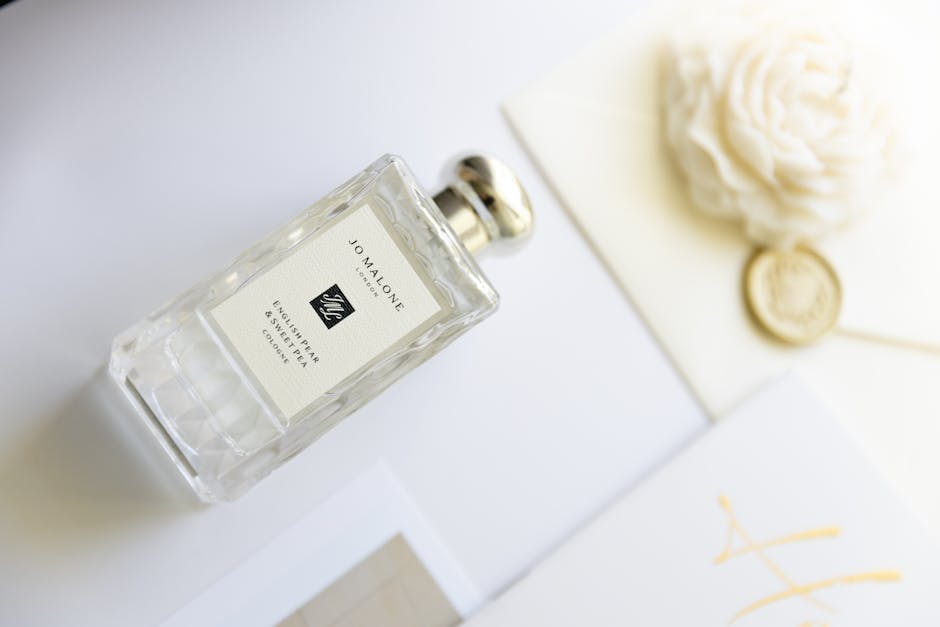
- Estée Lauder is suing Jo Malone and Zara over a perfume collaboration, citing trademark infringement.
- The lawsuit highlights the complexities of intellectual property laws and naming rights.
- Jo Malone’s collaboration with Zara is seen as a breach of her non-compete agreement with Estée Lauder.
- The case raises questions about the freedom of expression and the use of one’s name on products.
- The outcome of the lawsuit may have significant implications for the perfume industry and collaborations between brands.
The perfume industry is abuzz with the news of a high-profile lawsuit involving Jo Malone, the British perfume designer, and Zara, the fast-fashion giant. Estée Lauder, the multinational cosmetics company, has filed a lawsuit against the duo over a collaboration that sees Jo Malone’s name featured on a range of perfumes sold at Zara stores. The lawsuit has sparked a heated debate about naming rights and trademark laws, with Jo Malone expressing her hope that ‘sense will prevail’ in the ongoing legal battle. The case highlights the complexities of intellectual property laws and the potential consequences of collaborations between brands.
Background to the Dispute

The dispute between Estée Lauder and Jo Malone dates back to 1999 when Jo Malone sold her eponymous brand to Estée Lauder. As part of the deal, Jo Malone signed a non-compete agreement that restricted her from using her name on any perfumes or fragrance-related products. However, in 2020, Jo Malone collaborated with Zara on a range of perfumes, which Estée Lauder claims is a breach of the non-compete agreement. Jo Malone, on the other hand, argues that she is entitled to use her name on the perfumes, citing her right to freedom of expression and the fact that the collaboration is not in direct competition with Estée Lauder’s Jo Malone brand.
The Lawsuit and Its Implications

The lawsuit filed by Estée Lauder alleges that Jo Malone and Zara have engaged in trademark infringement and breach of contract. Estée Lauder is seeking an injunction to stop the sale of the perfumes and damages for the alleged breach of contract. The lawsuit has significant implications for the perfume industry, as it raises questions about the ownership of naming rights and the limits of non-compete agreements. If Estée Lauder is successful in its lawsuit, it could set a precedent for other companies to restrict the use of names and trademarks by former employees or partners. On the other hand, if Jo Malone and Zara are successful, it could pave the way for greater freedom of expression and collaboration in the industry.
Analysis of the Case
Experts say that the case is complex and will depend on the specific terms of the non-compete agreement signed by Jo Malone in 1999. They argue that the agreement may not be enforceable, given the passage of time and the fact that Jo Malone is no longer employed by Estée Lauder. Additionally, the experts point out that the collaboration between Jo Malone and Zara is not a direct competitor to Estée Lauder’s Jo Malone brand, which could weaken Estée Lauder’s claim of trademark infringement. The case will likely turn on the interpretation of the non-compete agreement and the application of trademark laws, making it a closely watched and significant case in the perfume industry.
Implications for the Industry
The lawsuit has significant implications for the perfume industry, as it raises questions about the ownership of naming rights and the limits of non-compete agreements. If Estée Lauder is successful in its lawsuit, it could restrict the ability of perfumers and designers to collaborate with other brands, potentially stifling innovation and creativity in the industry. On the other hand, if Jo Malone and Zara are successful, it could pave the way for greater freedom of expression and collaboration, leading to new and exciting products and partnerships. The outcome of the case will be closely watched by industry insiders and will have a significant impact on the future of the perfume industry.
Expert Perspectives
Experts are divided on the outcome of the case, with some arguing that Estée Lauder has a strong claim and others arguing that Jo Malone and Zara are entitled to use the name. ‘The case is complex and will depend on the specific terms of the non-compete agreement,’ says one expert. ‘However, given the passage of time and the fact that Jo Malone is no longer employed by Estée Lauder, it is likely that the agreement will not be enforceable.’ Another expert disagrees, saying that ‘Estée Lauder has a strong claim and is likely to succeed in its lawsuit. The use of the Jo Malone name on the perfumes is a clear breach of the non-compete agreement and trademark laws.’
As the case continues to unfold, one thing is certain – the outcome will have a significant impact on the perfume industry. Will Jo Malone’s hope that ‘sense will prevail’ be realized, or will Estée Lauder succeed in its lawsuit? Only time will tell, but one thing is clear – the case will be closely watched and will have far-reaching implications for the industry. The question on everyone’s mind is what will happen next and how will the case ultimately be resolved. As the industry waits with bated breath, one thing is certain – the outcome will be a significant turning point in the history of the perfume industry.