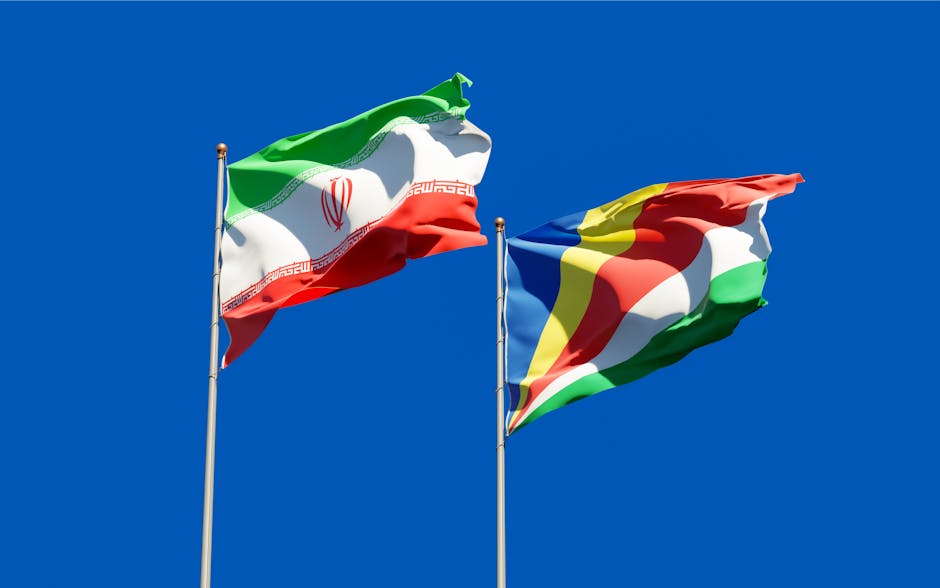
- Israel’s actions in Lebanon have sparked widespread concern, with the US vice president claiming they have ‘nothing to do with’ Iran.
- Lebanon was never part of the US-Iran cease-fire deal, a fact that has significant implications for the ongoing conflict.
- The US-Iran cease-fire deal was brokered to reduce tensions between the two nations, but its effectiveness is now being questioned.
- The recent violence in Lebanon has raised concerns about the country’s vulnerability to attack and the potential for further escalation.
- Experts have expressed skepticism about the vice president’s claim that Israel’s actions have no connection to Iran.
The recent escalation of violence in the Middle East has sparked widespread concern, with the US vice president, Vance, seeking to clarify the country’s stance on the issue. In a striking revelation, Vance stated that Lebanon was never part of the US-Iran cease-fire deal, a fact that has significant implications for the ongoing conflict. This statement comes as Israel continues its bombardment of Lebanon, a move that has been widely criticized by the international community. The vice president’s comments aim to downplay the situation, insisting that Israel’s actions have “nothing to do with” Iran, a claim that has been met with skepticism by many experts.
Background on the US-Iran Cease-Fire Deal

The US-Iran cease-fire deal was brokered in an effort to reduce tensions between the two nations, which have been at odds for decades. The deal was seen as a significant step forward in the region, providing a glimmer of hope for a more peaceful future. However, the recent violence in Lebanon has raised questions about the effectiveness of the deal and the true intentions of the parties involved. The fact that Lebanon was never part of the deal has sparked concerns about the country’s vulnerability to attack and the potential for further escalation. As the situation continues to unfold, it is clear that the conflict is complex and multifaceted, with many different players and interests at stake.
Key Details of the Conflict

The conflict in Lebanon has been ongoing for several days, with Israel launching a series of airstrikes against targets in the country. The Israeli government has stated that the attacks are in response to threats from militant groups in the region, while the Lebanese government has condemned the actions as a violation of its sovereignty. The US vice president’s statement that Lebanon was never part of the cease-fire deal has added a new layer of complexity to the situation, raising questions about the role of the US in the conflict and the potential for further escalation. As the situation continues to unfold, it is clear that the conflict has significant implications for the region and the world at large.
Analysis of the Situation
Experts have been quick to analyze the situation, with many expressing concerns about the potential for further escalation. The fact that Lebanon was never part of the cease-fire deal has significant implications for the country’s security and stability, and raises questions about the effectiveness of the deal in reducing tensions in the region. The ongoing violence has also sparked concerns about the humanitarian impact, with many civilians caught in the crossfire. As the situation continues to unfold, it is clear that a comprehensive solution will be needed to address the complex issues at play and to prevent further bloodshed.
Implications of the Conflict
The conflict in Lebanon has significant implications for the region and the world at large. The fact that the country was never part of the cease-fire deal has raised concerns about its vulnerability to attack and the potential for further escalation. The ongoing violence has also sparked concerns about the humanitarian impact, with many civilians caught in the crossfire. As the situation continues to unfold, it is clear that the conflict has the potential to destabilize the entire region, with significant implications for global security and stability. The international community must come together to address the situation and to work towards a comprehensive solution that takes into account the complex issues at play.
Expert Perspectives
Experts have been quick to weigh in on the situation, with many expressing contrasting viewpoints on the best way forward. Some have called for a renewed commitment to the cease-fire deal, while others have argued that a more comprehensive solution is needed to address the complex issues at play. As the situation continues to unfold, it is clear that a nuanced and multifaceted approach will be needed to address the conflict and to prevent further bloodshed. The international community must listen to the perspectives of experts and work towards a solution that takes into account the complex issues at play.
As the situation in Lebanon continues to unfold, many questions remain unanswered. What will be the long-term impact of the conflict on the region and the world at large? How will the international community respond to the situation, and what steps will be taken to prevent further escalation? These are just a few of the questions that remain to be answered, and it is clear that the situation will continue to be closely watched in the days and weeks to come. One thing is certain, however: the conflict in Lebanon has significant implications for the region and the world, and a comprehensive solution will be needed to address the complex issues at play.