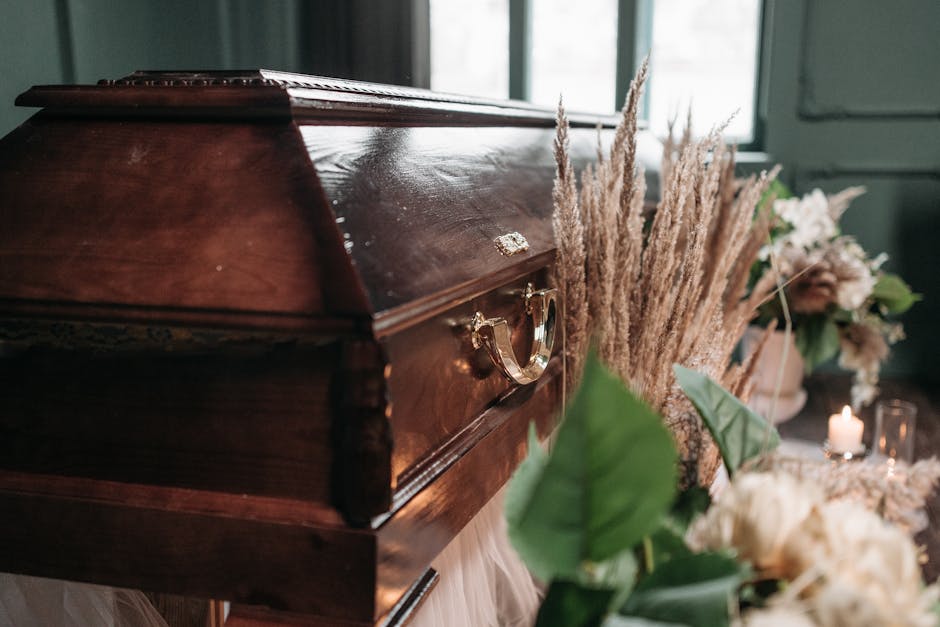
- Human composting is a sustainable death care option that reduces environmental impact by turning bodies into nutrient-rich soil.
- This method involves placing a body in a sealed vessel with organic matter, such as straw or wood chips, to break down over time.
- Human composting provides a unique and meaningful way for individuals to return to nature after passing away.
- The UK’s funeral industry is under pressure to reduce its carbon footprint, making human composting a potential solution.
- Several companies in the US already offer human composting services, paving the way for its adoption in other countries.
As the world grapples with the challenges of climate change, sustainability, and environmental degradation, a new and innovative approach to death care is gaining traction. Human composting, also known as natural organic reduction, is a process where a body is placed in a sealed vessel containing organic matter, such as straw or wood chips, and over time, it breaks down into a nutrient-rich soil that can be used to plant trees or flowers. This method is not only environmentally friendly but also provides a unique and meaningful way for individuals to return to nature after they pass away. With the UK’s funeral industry under pressure to reduce its carbon footprint, human composting could be the solution that many have been waiting for.
The Rise of Sustainable Death Care

The traditional funeral industry has long been criticized for its environmental impact, from the energy required to embalm and cremate bodies to the resources needed to manufacture coffins and headstones. However, in recent years, there has been a growing trend towards more sustainable and eco-friendly death care options. Human composting is at the forefront of this movement, with several companies in the US already offering this service to customers. The UK, however, has been slower to adopt this approach, with many funeral directors and regulators still unsure about the practicalities and ethics of human composting. Despite this, there are signs that attitudes are beginning to shift, with some UK-based companies now exploring the possibility of introducing human composting services to the market.
How Human Composting Works

So, how exactly does human composting work? The process begins with the placement of the body in a specially designed vessel, typically made of steel or concrete, which is filled with organic matter such as straw or wood chips. The vessel is then sealed and left to decompose over a period of several weeks or months, during which time the body breaks down into a nutrient-rich soil. This soil can then be used to plant trees, flowers, or other plants, providing a meaningful and lasting tribute to the deceased. The entire process is carefully monitored and controlled to ensure that it is safe, dignified, and respectful of the deceased and their loved ones. Companies offering human composting services typically work closely with funeral directors, bereavement counselors, and other professionals to ensure that the process is carried out with sensitivity and care.
The Benefits of Human Composting
One of the key benefits of human composting is its environmental sustainability. Traditional funeral practices, such as embalming and cremation, require significant amounts of energy and resources, and can result in the release of harmful greenhouse gases and pollutants. Human composting, on the other hand, is a natural and carbon-neutral process that produces no harmful emissions or waste. Additionally, human composting provides a unique and meaningful way for individuals to return to nature after they pass away, which can be a powerful and comforting concept for those who are grieving. Human composting also offers a cost-effective alternative to traditional funeral practices, with prices starting from around £2,000, compared to the £3,000-£5,000 typically spent on a traditional funeral.
Implications for the Funeral Industry
The introduction of human composting services to the UK market could have significant implications for the funeral industry. With the UK’s funeral industry under pressure to reduce its carbon footprint, human composting could provide a much-needed solution. Additionally, human composting could disrupt traditional funeral practices and provide a new and innovative way for individuals to say goodbye to loved ones. However, there are also concerns about the potential impact on traditional funeral directors and the bereavement services they provide. As the UK’s funeral industry continues to evolve, it is likely that human composting will play an increasingly important role in the years to come.
Expert Perspectives
Experts in the field of death care and sustainability are eager to see human composting become more widely available in the UK. “Human composting is a game-changer for the funeral industry,” says one expert. “It’s a sustainable, cost-effective, and meaningful way for individuals to return to nature after they pass away.” Others, however, are more cautious, citing concerns about the potential impact on traditional funeral practices and the need for further research and regulation. “While human composting is an interesting concept, we need to make sure that it is safe, dignified, and respectful of the deceased and their loved ones,” says another expert.
As the debate around human composting continues, one thing is clear: the UK’s funeral industry is on the cusp of a significant shift towards more sustainable and eco-friendly death care options. With human composting at the forefront of this movement, it will be interesting to see how the industry evolves in the years to come. Will human composting become a mainstream option for those looking for a more sustainable and meaningful way to say goodbye to loved ones? Only time will tell, but one thing is certain: the future of death care has never been more exciting or unpredictable.