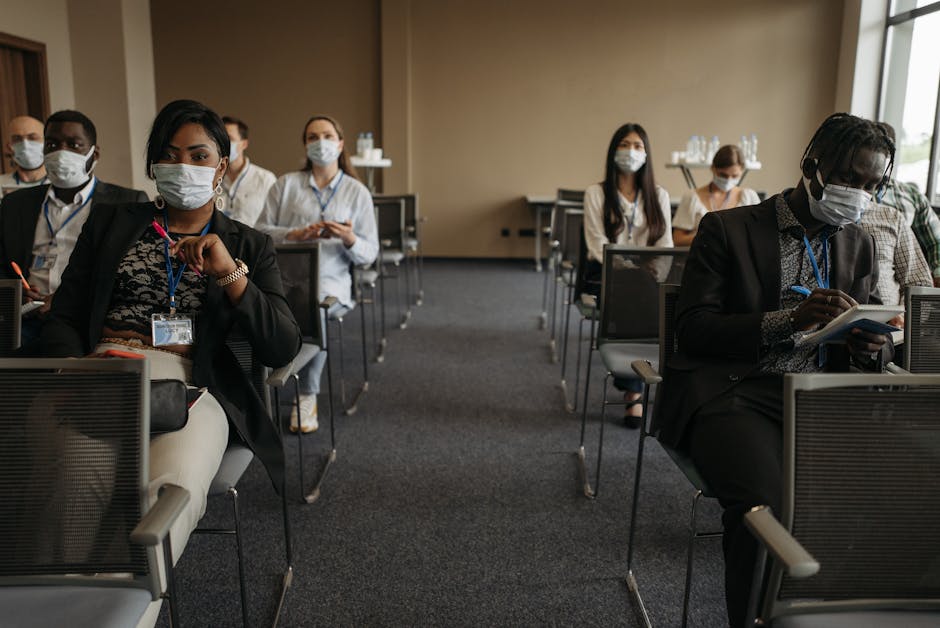
- Global health collaboration is crucial for addressing complex health challenges that transcend national borders.
- The World Health Organization’s Global Forum of Collaborating Centres brings together over 800 institutions to promote global health security.
- Collaboration is essential for improving health systems, enhancing health systems, and combating pandemics.
- The WHO Collaborating Centres play a vital role in supporting the organization’s programmatic work and policy development.
- A unified and coordinated global health approach is more pressing than ever, given the rapid evolution of the global health landscape.
The World Health Organization (WHO) has achieved a significant milestone in its pursuit of global health excellence with the convening of the first-ever Global Forum of Collaborating Centres. This historic event brought together representatives from over 800 institutions designated as WHO Collaborating Centres (CCs) across more than 80 countries, marking one of the largest gatherings of its kind in the history of public health. The sheer scale of this event underscores the importance of collaboration in addressing the complex health challenges facing the world today. With the global health landscape evolving rapidly, the need for a unified and coordinated approach has never been more pressing.
Strengthening Global Health Networks

The WHO Collaborating Centres are a cornerstone of the organization’s efforts to promote global health security, improve health systems, and enhance the capacity of countries to address health crises. These centres, spread across the globe, are designated by the WHO to support its programmatic work and contribute to the development of policies, strategies, and standards in various areas of public health. By bringing these institutions together under one umbrella, the WHO aims to foster a more cohesive and responsive global health network, capable of tackling the myriad challenges that transcend national borders. The timing of this forum is particularly significant, given the ongoing efforts to combat pandemics, improve health equity, and address the social determinants of health.
Key Outcomes and Participants

The Global Forum of Collaborating Centres featured a diverse range of participants, including leading scientists, policymakers, and public health experts from around the world. The discussions focused on key areas such as infectious disease surveillance, health systems strengthening, and the application of research and innovation to solve pressing health problems. One of the primary objectives of the forum was to explore ways to enhance collaboration and coordination among the Collaborating Centres, with the aim of leveraging their collective expertise and resources to support WHO’s global health priorities. The event also provided a platform for the centres to share their experiences, successes, and challenges, thereby facilitating the exchange of best practices and the development of new partnerships.
Analysis and Future Directions
The success of the Global Forum of Collaborating Centres is a testament to the power of international collaboration in advancing global health. By analyzing the outcomes and discussions from the forum, it is clear that there is a strong commitment among the Collaborating Centres to work together in addressing common health challenges. The event highlighted the importance of data-driven decision-making, the need for stronger health systems, and the role of innovation in improving health outcomes. Moving forward, the WHO and its Collaborating Centres will need to build on the momentum generated by the forum, translating the discussions and agreements into concrete actions and outcomes. This will require sustained commitment, coordination, and resources, as well as a continued emphasis on collaboration and knowledge-sharing.
Implications for Global Health
The implications of the Global Forum of Collaborating Centres are far-reaching, with potential benefits for communities and countries around the world. By strengthening the network of Collaborating Centres, the WHO is better positioned to support the development of national health policies, improve the quality of healthcare services, and enhance the capacity of countries to respond to health emergencies. The forum’s emphasis on collaboration and coordination also underscores the importance of a collective approach to global health challenges, recognizing that no single country or institution can address these issues alone. As the global health community looks to the future, the success of the Global Forum of Collaborating Centres serves as a powerful reminder of what can be achieved through unity of purpose and cooperation.
Expert Perspectives
Experts in the field of global health have welcomed the initiative, highlighting the critical role that collaboration plays in addressing the complex challenges facing the world today. According to Dr. Maria Van Kerkhove, a leading epidemiologist, “The Global Forum of Collaborating Centres represents a significant step forward in our collective efforts to improve global health security and promote health equity.” Dr. Van Kerkhove emphasized the need for continued collaboration and innovation, stating that “by working together and leveraging our collective expertise, we can develop more effective solutions to the health challenges we face.”
Looking ahead, the key question is how the momentum generated by the Global Forum of Collaborating Centres can be sustained and built upon. As the global health landscape continues to evolve, it will be essential for the WHO and its Collaborating Centres to remain vigilant and adaptable, responding to emerging challenges and opportunities with a unified and coordinated approach. By doing so, the global health community can ensure that the benefits of collaboration are realized, leading to better health outcomes, improved health equity, and a more secure and prosperous future for all.