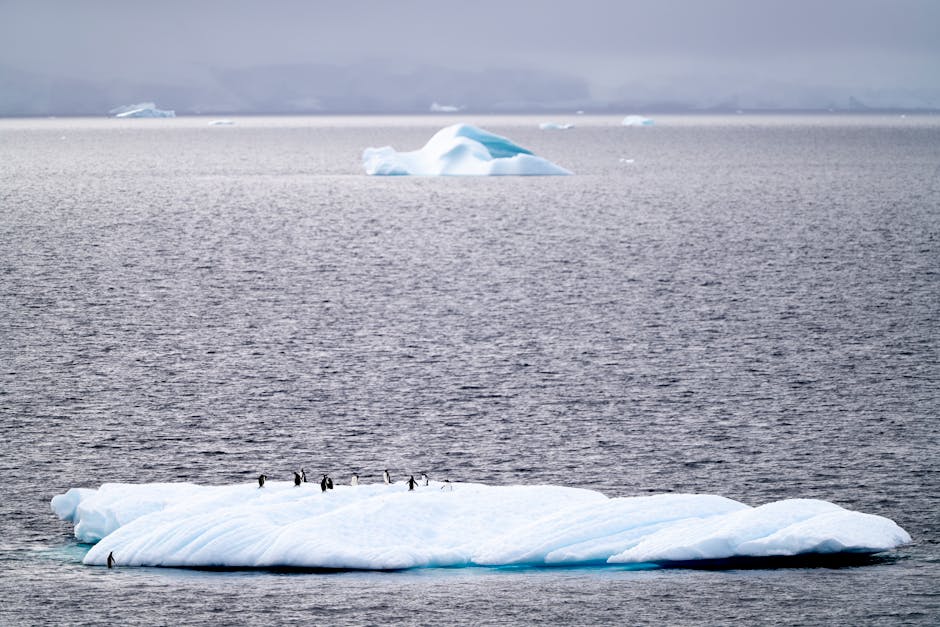
- The Emperor Penguin has been classified as ‘endangered’ on the I.U.C.N. Red List due to a significant decline in population.
- Climate change is the primary cause of the Emperor Penguin’s declining population, as sea ice habitats are rapidly retreating.
- The Emperor Penguin relies on sea ice for breeding, feeding, and shelter, making it vulnerable to extinction.
- The Antarctic ice sheet is melting at an accelerating rate, posing unprecedented challenges for the Emperor Penguin’s survival.
- Collective action is urgently needed to mitigate the effects of climate change and protect the Emperor Penguin’s habitat.
The Emperor Penguin, one of the most iconic and resilient bird species in the Antarctic, has been moved to the “endangered” category on the I.U.C.N. Red List, marking a significant shift in the conservation status of this beloved creature. With a striking decline in population, the Emperor Penguin’s fate serves as a stark reminder of the far-reaching consequences of climate change. As global temperatures continue to rise, the sea ice that these birds rely on for breeding, feeding, and shelter is retreating at an unprecedented rate, leaving them vulnerable to extinction. This alarming trend has sparked widespread concern among researchers, conservationists, and wildlife enthusiasts alike, highlighting the urgent need for collective action to mitigate the effects of climate change and protect the Emperor Penguin’s habitat.
The Devastating Impact of Climate Change

The Emperor Penguin’s reliance on sea ice is a critical factor in their survival, and the ongoing retreat of this habitat is a major contributor to their declining population. As the Antarctic ice sheet melts at an accelerating rate, the Emperor Penguins are facing unprecedented challenges in finding suitable breeding and feeding grounds. The consequences of climate change are multifaceted, with rising temperatures, changing ocean currents, and increased frequency of extreme weather events all taking a toll on the Emperor Penguin’s delicate ecosystem. With the Antarctic region warming at a rate faster than anywhere else on Earth, the Emperor Penguins are on the frontline of climate change, and their struggles serve as a poignant reminder of the need for immediate and sustained action to reduce greenhouse gas emissions and protect vulnerable species.
Key Factors Contributing to the Decline

The I.U.C.N. Red List’s decision to move the Emperor Penguin to the endangered category is based on a comprehensive assessment of the species’ population trends, habitat requirements, and the impacts of climate change. Researchers have identified several key factors contributing to the decline, including the reduction of sea ice cover, changes in ocean productivity, and increased mortality rates among chicks and adults. The Emperor Penguins’ unique life cycle, which involves breeding and molting on the sea ice during the Antarctic winter, makes them particularly vulnerable to disruptions in their habitat. As the sea ice retreats, the Emperor Penguins are forced to travel longer distances to find suitable breeding and feeding grounds, increasing their energy expenditure and reducing their reproductive success.
Analysis of the Consequences
The consequences of the Emperor Penguin’s decline are far-reaching, with implications for the entire Antarctic ecosystem. As a keystone species, the Emperor Penguins play a crucial role in maintaining the balance of the marine food chain, and their loss could have cascading effects on other species that rely on them for food or habitat. The decline of the Emperor Penguins also serves as a warning sign for the health of the Antarctic ecosystem as a whole, highlighting the need for continued monitoring and research into the impacts of climate change. Furthermore, the Emperor Penguins’ endangered status has significant implications for conservation efforts, with a renewed focus on protecting their habitat, reducing human impacts, and promoting sustainable management of the Antarctic region.
Implications for Conservation Efforts
The Emperor Penguins’ endangered status has significant implications for conservation efforts, with a renewed focus on protecting their habitat, reducing human impacts, and promoting sustainable management of the Antarctic region. The I.U.C.N. Red List’s decision serves as a call to action, highlighting the need for collective efforts to reduce greenhouse gas emissions, protect vulnerable species, and preserve the integrity of the Antarctic ecosystem. As the Emperor Penguins’ population continues to decline, conservationists and researchers are working together to develop effective strategies for mitigating the impacts of climate change, including the establishment of protected areas, the reduction of human disturbance, and the promotion of sustainable tourism practices.
Expert Perspectives
Experts in the field of conservation biology and climate change research have expressed concerns about the Emperor Penguins’ endangered status, highlighting the need for immediate and sustained action to protect their habitat and reduce the impacts of climate change. While some researchers argue that the Emperor Penguins’ decline is a symptom of a broader ecosystem collapse, others emphasize the need for targeted conservation efforts to protect this iconic species. As the scientific community continues to monitor the Emperor Penguins’ population trends and habitat requirements, it is clear that a multifaceted approach will be necessary to address the complex challenges facing this species.
Looking to the future, the Emperor Penguins’ endangered status serves as a stark reminder of the need for continued research, monitoring, and conservation efforts. As the Antarctic region continues to warm, it is likely that the Emperor Penguins will face increasing challenges in finding suitable habitat and adapting to the changing climate. The open question remains: can we act quickly enough to mitigate the impacts of climate change and protect the Emperor Penguins’ habitat, or will this iconic species become a casualty of our failure to address the climate crisis?