- Chronic inflammation affects over 50% of the global population, fueling serious diseases like diabetes, heart disease, and cancer.
- Plant compounds can team up inside immune cells to boost anti-inflammatory power by up to 100 times.
- Combining plant compounds can amplify their beneficial effects, creating powerful anti-inflammatory agents.
- Menthol from mint, cineole from eucalyptus, and capsaicin from chili peppers are examples of plant compounds with anti-inflammatory properties.
- Research highlights the potential for plant compounds to work together in powerful combinations, offering a promising avenue for combatting chronic inflammation.
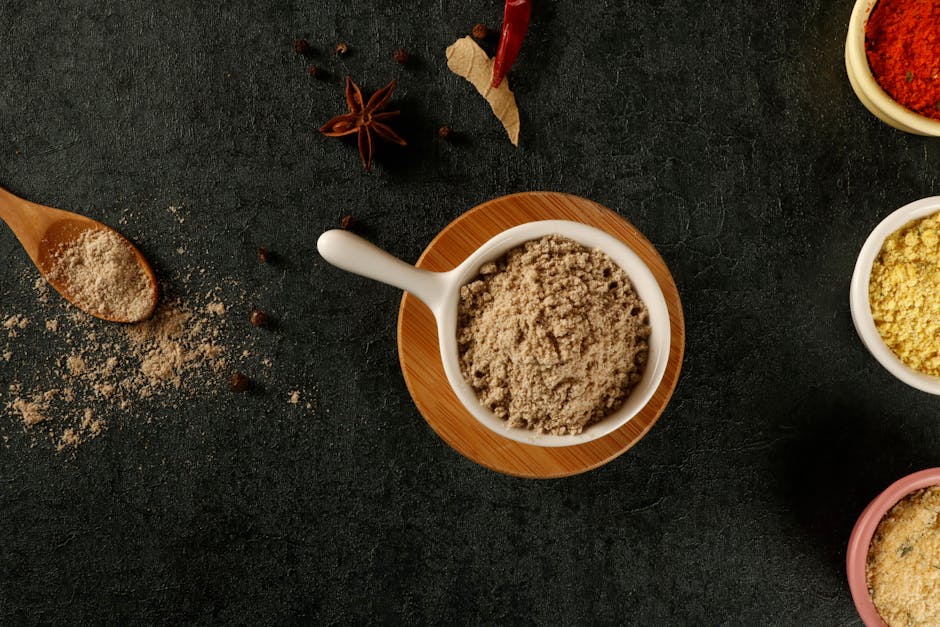
Chronic inflammation is a stealthy adversary, often working quietly in the background of our bodily functions until it strikes, fueling serious diseases like diabetes, heart disease, and cancer. It is estimated that over 50% of the global population suffers from some form of chronic inflammatory disease, with the economic burden running into trillions of dollars annually. However, new research offers a promising avenue for combatting this silent killer, revealing that everyday plant compounds—like menthol from mint, cineole from eucalyptus, and capsaicin from chili peppers—can team up inside immune cells to dramatically boost their anti-inflammatory power, in some cases increasing it by as much as 100 times.
The Science Behind Spice Synergy

The concept of synergy, where the combined effect of two or more agents is greater than the sum of their individual effects, is not new. However, applying this principle to the realm of plant compounds and their impact on human health is a burgeoning field of research. Scientists have long known that individual compounds found in plants, such as polyphenols and terpenes, possess anti-inflammatory properties. But what this new research highlights is the potential for these compounds to work together in powerful combinations, amplifying their beneficial effects. This discovery matters now more than ever, as the world grapples with the escalating burden of chronic diseases and seeks innovative, sustainable solutions for prevention and treatment.
Uncovering the Mechanism of Action

Delving into the specifics of how these spice synergies work, researchers have identified that certain combinations of compounds can activate different cellular pathways simultaneously, leading to a significant enhancement of anti-inflammatory activity. For instance, while menthol, cineole, and capsaicin individually showed modest effects in reducing inflammation, combining them in specific ratios resulted in a dramatic amplification of their anti-inflammatory power. This is attributed to their ability to target multiple aspects of the inflammatory response, from the production of pro-inflammatory cytokines to the modulation of immune cell activity. Understanding the precise mechanisms by which these synergies operate is crucial for translating these findings into practical applications, whether through dietary recommendations or the development of novel therapeutic agents.
Analyzing the Causes and Effects
Analysis of the data suggests that the key to unlocking the full potential of spice synergies lies in identifying the optimal combinations and concentrations of compounds. This involves a deep dive into the biochemical interactions between different plant extracts and their effects on human biology. Furthermore, the role of diet and lifestyle in modulating the body’s inflammatory response cannot be overstated. A diet rich in whole foods, including fruits, vegetables, and whole grains, provides a foundation for reducing chronic inflammation. The addition of specific spice blends, tailored to enhance anti-inflammatory pathways, could offer an additional layer of protection against disease. Experts also point to the importance of considering the variability in individual responses to different spice combinations, highlighting the need for personalized approaches to nutrition and health.
Implications for Global Health
The implications of this research are far-reaching, with potential benefits for millions worldwide suffering from chronic inflammatory diseases. By harnessing the power of spice synergies, it may be possible to develop new, cost-effective strategies for reducing inflammation and improving health outcomes. This could be particularly significant in regions where access to conventional pharmaceuticals is limited, offering a locally sourced and sustainable approach to healthcare. Moreover, the focus on prevention rather than treatment aligns with global health priorities, aiming to reduce the burden on healthcare systems and improve quality of life for individuals and communities.
Expert Perspectives
Experts in the field of nutrition and pharmacology offer contrasting viewpoints on the potential of spice synergies to revolutionize our approach to inflammation. Some hail the discovery as a breakthrough, with the potential to inspire a new generation of anti-inflammatory therapies. Others caution that more research is needed to fully understand the effects of these compounds in humans and to address concerns around safety, efficacy, and regulatory approval. Despite these differing perspectives, there is a consensus on the importance of continued research into the therapeutic potential of plant compounds and their synergies.
Looking forward, the key question is how to translate these findings into practical, real-world applications. This will involve collaboration between researchers, healthcare providers, and industry stakeholders to develop and test spice blends that can be safely and effectively used to combat chronic inflammation. As the world waits with bated breath for the next breakthrough in disease prevention and treatment, the humble spice rack may hold more significance than ever before, offering a natural, powerful tool in the fight against chronic inflammation and its devastating consequences.