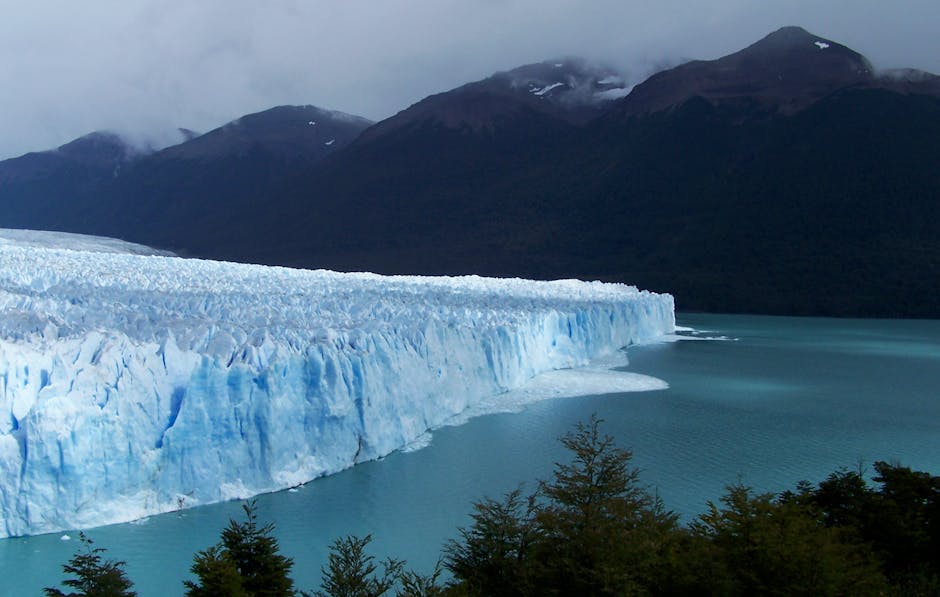
- Argentina’s Glacier Law allows mining in glaciers and permafrost areas, sparking controversy over environmental policies.
- The law will make it easier for mining companies to extract metals from the Andes mountains, posing risks to fragile ecosystems.
- Environmentalists warn that the move will have devastating consequences for Argentina’s glaciers, which are already under threat from climate change.
- The country’s glaciers regulate the water supply and support unique and fragile ecosystems, making them crucial to the environment.
- The approval of the bill reflects a balance between economic growth and environmental protection in Argentina’s ongoing debate.
Argentina has become the latest country to spark controversy over its environmental policies, with the approval of a bill that allows for mining in glaciers and permafrost areas. The move, which was backed by libertarian President Javier Milei, has been met with widespread criticism from environmentalists, who argue that it will have devastating consequences for the country’s fragile ecosystems. The bill, which was approved by congress, will make it easier for mining companies to extract metals such as copper, lithium, and silver from the frozen regions of the Andes mountains, sparking fears of irreversible damage to the environment.
Background and Context

The approval of the bill is a significant development in Argentina’s ongoing debate over the balance between economic growth and environmental protection. The country has long been a major producer of minerals, and the government has been keen to exploit its natural resources to boost the economy. However, environmentalists have warned that the move will have serious consequences for the country’s glaciers, which are already under threat from climate change. The glaciers in the Andes mountains are not only important for regulating the water supply, but they also support a wide range of unique and fragile ecosystems.
The Mining Bill and Its Implications

The bill, which was promoted by President Milei, will amend the country’s existing glacier law, making it easier for mining companies to operate in sensitive areas. The move has been welcomed by the mining industry, which argues that it will create jobs and stimulate economic growth. However, environmentalists have expressed outrage at the decision, arguing that it will lead to the destruction of fragile ecosystems and the contamination of water supplies. The bill has also been criticized for its lack of safeguards, with many arguing that it does not do enough to protect the environment or local communities.
Analysis and Expert Opinion
The approval of the bill has sparked a heated debate over the causes and effects of the move. Many experts argue that the decision is driven by a desire to boost the economy, but that it ignores the long-term consequences for the environment. Others have pointed out that the move is inconsistent with Argentina’s commitments to reduce its carbon footprint and protect its natural resources. The decision has also been criticized for its lack of transparency, with many arguing that the government has not done enough to consult with local communities or environmental groups. According to data from the Argentine Ministry of Environment, the country’s glaciers have already lost over 30% of their mass in the past few decades, highlighting the urgent need for protection.
Implications and Consequences
The approval of the bill will have significant implications for Argentina’s environment and local communities. The mining industry has been linked to a range of environmental problems, including water pollution, deforestation, and soil degradation. The move will also have consequences for the country’s indigenous communities, who have traditionally relied on the glaciers and surrounding ecosystems for their livelihoods. Many are concerned that the decision will lead to the displacement of local communities and the destruction of their way of life. The move may also have consequences for Argentina’s international reputation, with many countries already expressing concern over the country’s environmental record.
Expert Perspectives
Experts have expressed contrasting viewpoints on the issue, with some arguing that the move is necessary to boost the economy, while others argue that it is a step backwards for environmental protection. According to Dr. Maria Rodriguez, a leading environmental scientist, “the decision to allow mining in glaciers is a catastrophic mistake that will have far-reaching consequences for the environment and local communities.” On the other hand, some industry experts have argued that the move will create jobs and stimulate economic growth, and that the environmental risks can be mitigated with proper safeguards.
As the situation continues to unfold, many are left wondering what the future holds for Argentina’s glaciers and the communities that rely on them. The move has sparked a heated debate over the balance between economic growth and environmental protection, and it remains to be seen how the government will respond to the criticism. One thing is certain, however: the decision to allow mining in glaciers will have significant implications for Argentina’s environment and its people, and it will be closely watched by the international community in the months and years to come.