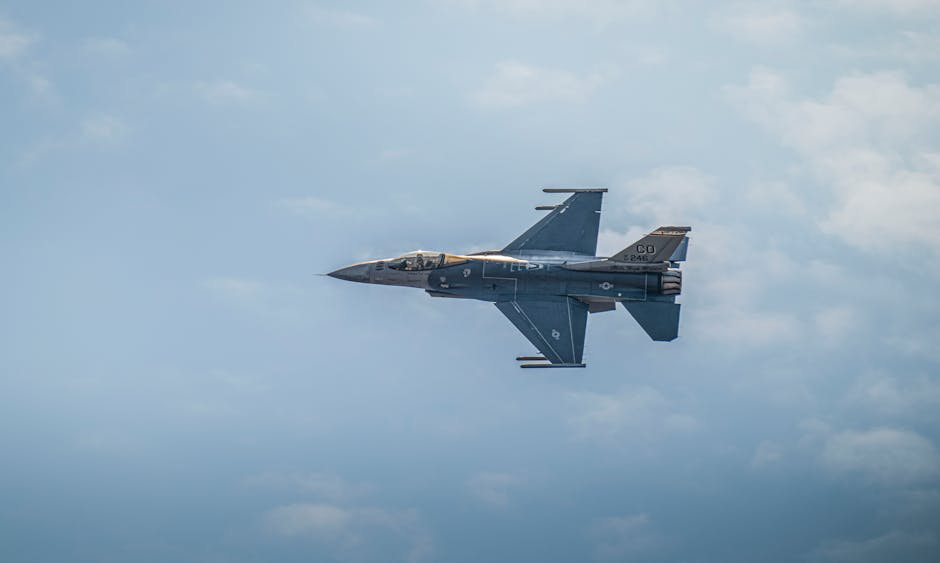
- Israel’s airstrikes on Lebanon have escalated tensions in the region, sparking fears of a wider conflict.
- The conflict is rooted in a long history of competition and conflict between Israel and Lebanon, fueled by ideological, strategic, and economic interests.
- Iran has threatened retaliation if Israel continues to conduct airstrikes on Lebanese territory, further complicating the situation.
- The dispute between Israel and Iran over the applicability of their truce to Lebanon has significant implications for regional stability.
- A nuanced understanding of the complex web of alliances and rivalries between countries and non-state actors is crucial to navigating the situation.
The recent escalation of violence between Israel and Lebanon has raised concerns about the stability of the region, with Israel conducting airstrikes on Lebanese territory and Iran threatening retaliation unless the bombing stops. The situation is further complicated by a dispute between Israel and Iran over the applicability of their truce to Lebanon, with Israel claiming that the agreement does not cover the country and Iran insisting that it does. This development has significant implications for the region, particularly in light of the complex web of alliances and rivalries that exist between various countries and non-state actors. The fact that Israel has continued to conduct airstrikes on Lebanese territory despite Iran’s warnings has sparked fears of a wider conflict, highlighting the need for a nuanced understanding of the situation and its potential consequences.
Background to the Conflict

The current tensions between Israel and Lebanon are rooted in a long history of conflict and competition between the two countries, which has been exacerbated by the involvement of other regional and global powers. The dispute over the applicability of the Israel-Iran truce to Lebanon is just the latest manifestation of this complex and multifaceted conflict, which has been fueled by a range of factors including ideological, strategic, and economic interests. The situation is further complicated by the presence of various non-state actors, including Hezbollah, which has been a major player in Lebanese politics and has close ties to Iran. As the conflict continues to escalate, it is essential to understand the historical and geopolitical context in which it is taking place, including the complex web of alliances and rivalries that exist between various countries and non-state actors in the region.
Key Details of the Conflict

The recent airstrikes conducted by Israel on Lebanese territory have been targeted at infrastructure and personnel linked to Hezbollah, which Israel views as a terrorist organization. The strikes have been condemned by Iran, which has threatened retaliation unless they stop, and have sparked fears of a wider conflict in the region. The fact that Israel has continued to conduct airstrikes despite Iran’s warnings has highlighted the deepening rift between the two countries, which has been fueled by a range of factors including ideological, strategic, and economic interests. The situation is further complicated by the involvement of other regional and global powers, including the United States, which has been a key ally of Israel, and Russia, which has been a key ally of Iran. As the conflict continues to escalate, it is essential to understand the key details of the situation, including the targets and tactics of the Israeli airstrikes, as well as the responses of other countries and non-state actors in the region.
Analysis of the Conflict
The conflict between Israel and Lebanon is a complex and multifaceted one, driven by a range of factors including ideological, strategic, and economic interests. The dispute over the applicability of the Israel-Iran truce to Lebanon is just one aspect of this larger conflict, which has been fueled by the involvement of various regional and global powers. The fact that Israel has continued to conduct airstrikes on Lebanese territory despite Iran’s warnings has sparked fears of a wider conflict, highlighting the need for a nuanced understanding of the situation and its potential consequences. According to experts, the conflict is likely to have significant implications for the region, particularly in light of the complex web of alliances and rivalries that exist between various countries and non-state actors. The situation is further complicated by the presence of various non-state actors, including Hezbollah, which has been a major player in Lebanese politics and has close ties to Iran.
Implications of the Conflict
The conflict between Israel and Lebanon has significant implications for the region, particularly in light of the complex web of alliances and rivalries that exist between various countries and non-state actors. The fact that Israel has continued to conduct airstrikes on Lebanese territory despite Iran’s warnings has sparked fears of a wider conflict, highlighting the need for a nuanced understanding of the situation and its potential consequences. According to experts, the conflict is likely to have significant implications for the stability of the region, particularly in light of the involvement of other regional and global powers. The situation is further complicated by the presence of various non-state actors, including Hezbollah, which has been a major player in Lebanese politics and has close ties to Iran. As the conflict continues to escalate, it is essential to understand the implications of the situation, including the potential consequences for the region and the world at large.
Expert Perspectives
Experts have offered contrasting viewpoints on the conflict between Israel and Lebanon, with some arguing that the situation is likely to escalate into a wider conflict and others arguing that a diplomatic solution is still possible. According to some experts, the fact that Israel has continued to conduct airstrikes on Lebanese territory despite Iran’s warnings has sparked fears of a wider conflict, highlighting the need for a nuanced understanding of the situation and its potential consequences. Others have argued that the conflict is a manifestation of a larger struggle for influence in the region, with various countries and non-state actors vying for power and control. As the conflict continues to escalate, it is essential to consider the perspectives of experts and other stakeholders, including those with differing viewpoints and opinions.
Looking forward, the key question is what will happen next in the conflict between Israel and Lebanon. Will the situation continue to escalate, or will a diplomatic solution be found? According to experts, the answer to this question will depend on a range of factors, including the actions of Israel and Iran, as well as the involvement of other regional and global powers. The situation is further complicated by the presence of various non-state actors, including Hezbollah, which has been a major player in Lebanese politics and has close ties to Iran. As the conflict continues to unfold, it is essential to watch for key developments, including any changes in the position of Israel or Iran, as well as the responses of other countries and non-state actors in the region.