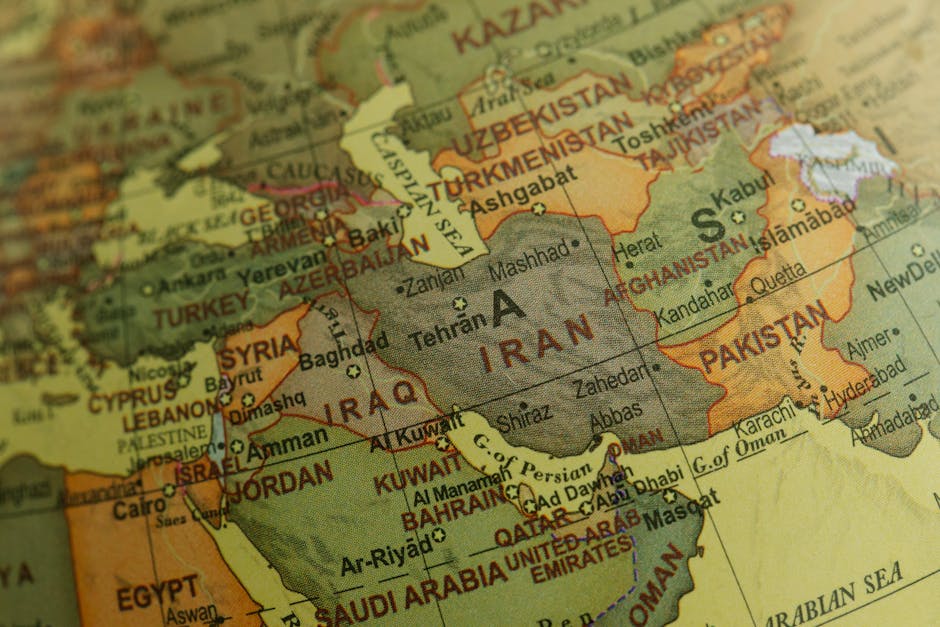
- President Trump warns Iran against charging for passage through the Strait of Hormuz, a critical waterway for global oil trade.
- Approximately 20% of the world’s oil passes through the Strait of Hormuz, making it a significant chokepoint for global oil trade.
- The US-Iran tensions have sparked optimism in global markets, leading to a winning streak in the S&P 500 index.
- The Strait of Hormuz is a vital shipping lane connecting the Persian Gulf to the Arabian Sea, with significant implications for global energy security.
- A disruption to traffic through the Strait of Hormuz could have far-reaching consequences for the global economy.
The Strait of Hormuz, a critical waterway for global oil trade, has become a focal point of US-Iran tensions, with President Trump warning Iran against charging for passage through the strait. This move has significant implications for the global economy, as approximately 20% of the world’s oil passes through this narrow waterway. The warning comes on the heels of a recent ceasefire agreement, which has sparked optimism in global markets, with the S&P 500 index experiencing a winning streak. As investors closely watch the situation unfold, global stocks have risen in response to the ceasefire optimism, with many hoping that the tensions will not escalate further.
Background on the Strait of Hormuz

The Strait of Hormuz, located between Iran and Oman, is a vital shipping lane that connects the Persian Gulf to the Arabian Sea. The strait is approximately 90 nautical miles long and 21-25 miles wide, making it a significant chokepoint for global oil trade. The US and its allies have long considered the strait a critical component of global energy security, and any disruption to traffic through the strait could have far-reaching consequences for the global economy. With the US-Iran tensions escalating in recent months, the strait has become a flashpoint, with both sides engaging in a war of words over issues such as oil exports, sanctions, and military presence in the region.
Key Details of the US-Iran Dispute

The dispute between the US and Iran centers on Iran’s threat to charge for passage through the Strait of Hormuz, which the US has vehemently opposed. The US has long maintained that the strait is an international waterway, open to all ships, and that any attempt to restrict or charge for passage would be a violation of international law. Iran, on the other hand, has argued that it has the right to control its territorial waters and impose fees on ships passing through the strait. The situation has been further complicated by the recent ceasefire agreement, which has raised hopes of a diplomatic resolution to the conflict. However, with the US and Iran still at odds over key issues, the situation remains volatile, and investors are closely watching for any signs of escalation.
Analysis of the Economic Implications
The economic implications of the US-Iran dispute over the Strait of Hormuz are significant, with the potential to disrupt global oil trade and impact the global economy. According to experts, any disruption to traffic through the strait could lead to a significant increase in oil prices, which would have far-reaching consequences for the global economy. The International Energy Agency (IEA) has estimated that a closure of the strait could lead to a 10-15% increase in oil prices, which would be devastating for many countries that rely heavily on imported oil. Furthermore, the dispute has also raised concerns about the stability of the global financial system, with many investors fearing that an escalation of the conflict could lead to a broader market downturn.
Implications for Global Markets
The implications of the US-Iran dispute over the Strait of Hormuz are being felt in global markets, with investors closely watching the situation unfold. The recent ceasefire agreement has sparked optimism in global markets, with many hoping that the tensions will not escalate further. However, with the US and Iran still at odds over key issues, the situation remains volatile, and investors are bracing themselves for any signs of escalation. The rise in global stocks in response to the ceasefire optimism is a testament to the market’s desire for a peaceful resolution to the conflict, but the situation remains fragile, and any further escalation could lead to a significant market downturn.
Expert Perspectives
Experts are divided on the implications of the US-Iran dispute over the Strait of Hormuz, with some arguing that the situation is unlikely to escalate further, while others believe that the conflict could have far-reaching consequences for the global economy. According to Dr. Fiona Hill, a senior fellow at the Brookings Institution, the situation is complex, and the US and Iran are engaged in a delicate dance, with both sides trying to assert their influence in the region. On the other hand, Dr. Daniel Yergin, a leading expert on energy economics, believes that the dispute has the potential to disrupt global oil trade and impact the global economy, and that the situation needs to be closely watched.
As the situation continues to unfold, investors will be closely watching for any signs of escalation, and the market will be looking for a peaceful resolution to the conflict. The question on everyone’s mind is what will happen next, and whether the US and Iran can find a way to resolve their differences without disrupting global oil trade. With the global economy still recovering from the COVID-19 pandemic, the last thing investors need is another crisis, and the hope is that the US and Iran can find a way to navigate this complex situation without causing further instability in the markets.