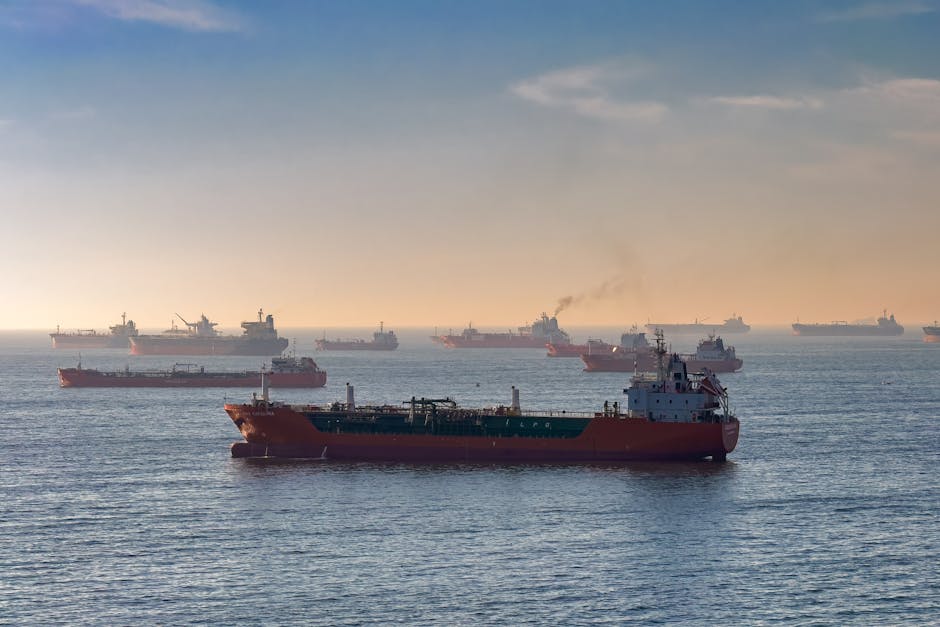
- Iran’s blocking of the Strait of Hormuz has sparked concerns of escalating tensions in the region.
- The US and its allies are urging Iran to stand down, fearing a potentially catastrophic confrontation.
- Iran’s Hormuz strategy may be part of a well-established plan, according to a leading Iran expert.
- The Strait of Hormuz is a critical waterway, with nearly a third of the world’s seaborne oil passing through it daily.
- Iran’s motivations for blocking the strait are complex and multifaceted, driven by a desire to assert influence in the region.
A fragile US-Iran ceasefire is on the brink of collapse, as Tehran continues to block the Strait of Hormuz in protest against Israel’s recent attacks in Lebanon. The move has sparked concerns of escalating tensions in the region, with a leading Iran expert warning that the Islamic Republic’s Hormuz strategy may be part of a well-established plan. The expert’s comments come as the international community scrambles to respond to the crisis, with the US and its allies urging Iran to stand down.
The Strait of Hormuz: A Critical Waterway

The Strait of Hormuz is a critical waterway, with nearly a third of the world’s seaborne oil passing through it every day. Iran’s decision to block the strait has significant implications for global energy markets, and has already led to a spike in oil prices. The move is also seen as a provocative gesture, with the US and its allies viewing it as a threat to regional stability. As the situation continues to unfold, experts are warning of a potentially catastrophic confrontation between Iran and the US.
Iran’s Motivations

According to experts, Iran’s motivations for blocking the Strait of Hormuz are complex and multifaceted. The move is seen as a response to Israel’s attacks in Lebanon, as well as a broader attempt to assert Iranian influence in the region. The Islamic Republic has long been a major player in the Middle East, and its actions are often driven by a desire to protect its interests and project power. As the US and its allies seek to respond to the crisis, they will need to take into account Iran’s underlying motivations and develop a strategy that addresses the root causes of the conflict.
What to Watch
As the situation in the Strait of Hormuz continues to unfold, experts are warning of a potentially volatile period ahead. The US and its allies are likely to increase pressure on Iran to stand down, while Tehran may respond with further provocations. The international community will be watching closely, as the crisis has significant implications for regional stability and global energy markets. In the coming days, diplomats will be working behind the scenes to develop a solution, while military planners will be preparing for a range of potential scenarios.