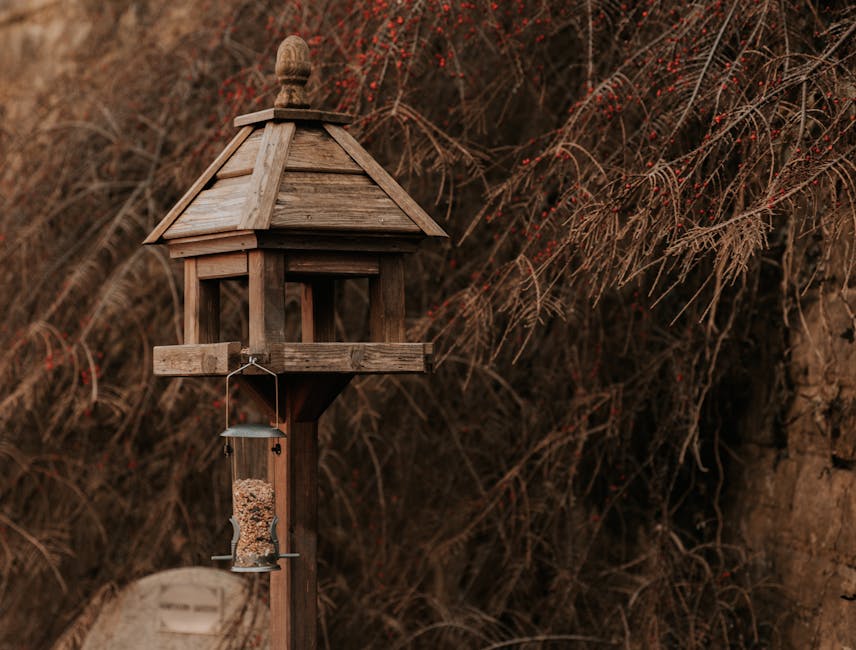
- The RSPB advises people to stop using bird feeders during warmer months to help garden birds adapt to climate change.
- Responsible bird feeding is crucial for the well-being of garden birds, especially during a changing climate.
- By stopping feeder use, individuals can promote a healthier ecosystem and preserve nature’s balance.
- The RSPB’s guidance aims to conserve garden birds and ensure their survival for future generations.
- Adapting bird feeding habits is essential to respond to the evolving needs of garden birds.
A striking fact has emerged from the UK’s largest bird charity, the Royal Society for the Protection of Birds (RSPB), which has left many bird enthusiasts reevaluating their role in helping garden birds thrive. In a surprising move, the RSPB has issued new guidance advising people to stop using feeders to help wildlife during the warmer months. This unexpected advice has sparked a mix of reactions, with some questioning the reasoning behind it, while others welcome the change as a necessary step towards creating a more sustainable environment for birds. As the UK experiences a shift in its climate, the RSPB’s guidance serves as a timely reminder of the importance of adapting our habits to ensure the well-being of garden birds.
The Importance of Responsible Bird Feeding

The RSPB’s decision to issue new guidance on bird feeding is a significant one, and it matters now more than ever. As the UK’s climate continues to change, the needs of garden birds are evolving, and it is essential that we respond accordingly. By stopping the use of feeders during warmer months, individuals can play a crucial role in helping birds adapt to their changing environment. The RSPB’s guidance is not just about the birds themselves, but also about promoting a healthier ecosystem and preserving the delicate balance of nature. By taking this step, the public can contribute to the conservation of garden birds and help ensure their survival for generations to come.
Key Details Behind the RSPB’s Guidance

The RSPB’s guidance is based on a thorough understanding of the needs of garden birds during different times of the year. In the warmer months, birds are able to find ample food sources in the form of insects, seeds, and fruits, making feeders less necessary. Furthermore, the use of feeders can lead to an overreliance on human-provided food, causing birds to neglect their natural foraging habits. By removing feeders during this time, individuals can encourage birds to forage for food naturally, promoting a healthier and more sustainable relationship between humans and wildlife. The RSPB’s guidance is a crucial step towards creating a more balanced ecosystem, where birds are able to thrive without relying on human intervention.
Analysis of the Guidance and Its Implications
The RSPB’s decision to advise against the use of feeders in warmer months has been met with a mix of reactions, with some hailing it as a positive step towards conservation, while others have expressed concerns about the potential impact on bird populations. An analysis of the guidance reveals that it is based on a thorough understanding of the needs of garden birds and the importance of promoting sustainable relationships between humans and wildlife. By stopping the use of feeders, individuals can help reduce the risk of disease transmission among birds, as well as minimize the impact of human-provided food on the local ecosystem. The RSPB’s guidance is a timely reminder of the importance of responsible bird feeding and the need to adapt our habits to ensure the well-being of garden birds.
Implications of the RSPB’s Guidance
The implications of the RSPB’s guidance are far-reaching, with potential effects on both bird populations and the wider ecosystem. By stopping the use of feeders in warmer months, individuals can help promote a healthier and more sustainable environment for birds, reducing the risk of disease transmission and minimizing the impact of human-provided food on the local ecosystem. The guidance also has implications for the way we think about conservation, highlighting the importance of adapting our habits to respond to changing environmental conditions. As the UK’s climate continues to evolve, the RSPB’s guidance serves as a timely reminder of the need to prioritize responsible and sustainable practices in our efforts to help garden birds thrive.
Expert Perspectives
Experts in the field of conservation have welcomed the RSPB’s guidance, highlighting the importance of responsible bird feeding practices. According to one expert, “The RSPB’s guidance is a crucial step towards promoting sustainable relationships between humans and wildlife. By stopping the use of feeders in warmer months, individuals can help reduce the risk of disease transmission among birds and minimize the impact of human-provided food on the local ecosystem.” Others have expressed caution, noting that the guidance may have unintended consequences, such as reducing the overall population of garden birds. However, the consensus among experts is that the RSPB’s guidance is a positive step towards conservation, and one that has the potential to make a significant impact on the well-being of garden birds.
As the UK continues to navigate the challenges of climate change, the RSPB’s guidance serves as a reminder of the importance of adapting our habits to respond to changing environmental conditions. Looking ahead, it will be essential to monitor the impact of the guidance and make adjustments as necessary. One key question that remains is how the public will respond to the RSPB’s guidance, and whether it will lead to a significant reduction in the use of feeders during warmer months. As we move forward, it will be crucial to prioritize responsible and sustainable practices in our efforts to help garden birds thrive, and to continue to seek guidance from experts in the field of conservation.