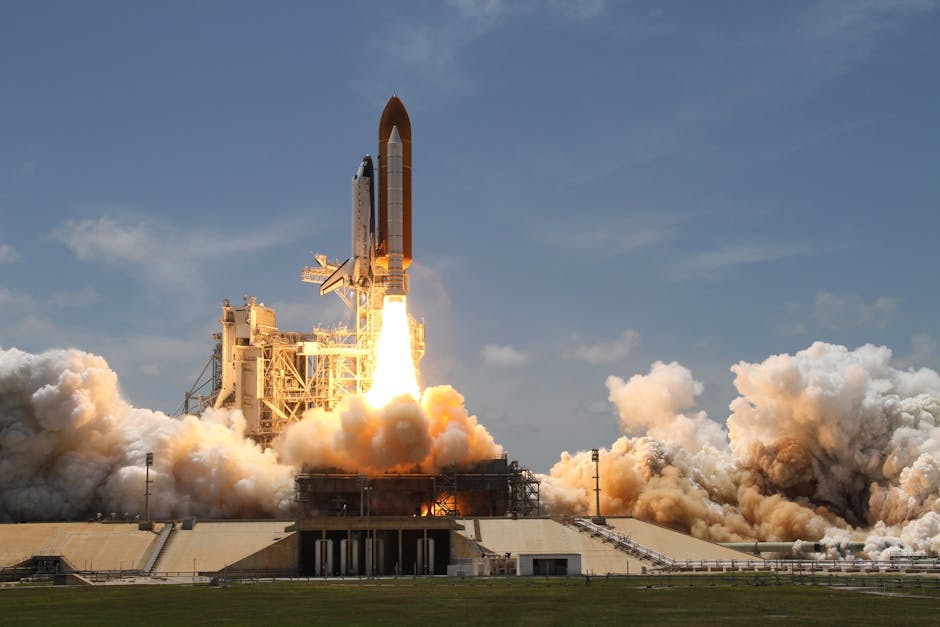
- The Artemis II mission marked a historic milestone in space exploration with a successful crewed journey around the moon.
- NASA’s ambitious plan to return humans to the lunar surface by 2025 is underway, with the Artemis II mission paving the way.
- The Artemis II mission demonstrated the capabilities of the Space Launch System (SLS) rocket and the Orion spacecraft.
- The crew’s journey has valuable insights for future manned missions to the moon and beyond, including long-duration spaceflight.
- The Artemis II mission represents a crucial step towards establishing a sustainable presence on the lunar surface.
The Artemis II mission has marked a significant milestone in space exploration, with the crew successfully completing their journey around the moon. This historic feat has sparked widespread interest and excitement, as the world watches the progress of NASA’s ambitious plan to return humans to the lunar surface by 2025. The mission has not only demonstrated the capabilities of the Space Launch System (SLS) rocket and the Orion spacecraft but also paved the way for future manned missions to the moon and beyond. With the crew now heading back to Earth, the world awaits their safe return and the valuable insights they will bring back from their extraordinary journey.
Background and Significance

The Artemis II mission is a crucial step towards NASA’s goal of establishing a sustainable presence on the lunar surface. The mission has been years in the making, with the space agency working tirelessly to develop the necessary technologies and infrastructure to support manned missions to the moon. The success of Artemis II has significant implications for the future of space exploration, as it demonstrates the feasibility of long-duration missions to the moon and beyond. As the world looks to the future of space travel, the Artemis II mission serves as a beacon of hope and inspiration, reminding us of the incredible achievements that can be accomplished through determination and innovation.
Key Mission Details

The Artemis II mission has been a complex and highly coordinated effort, involving the collaboration of thousands of scientists, engineers, and technicians from around the world. The crew, comprising experienced astronauts, has undergone rigorous training to prepare for the challenges of space travel. The Orion spacecraft, powered by the SLS rocket, has performed flawlessly, providing a safe and reliable platform for the crew to conduct their mission. As the crew flew around the moon, they conducted a series of scientific experiments and gathered valuable data that will help scientists better understand the lunar environment and its potential resources.
Analysis and Implications
The success of the Artemis II mission has significant implications for the future of space exploration. The mission has demonstrated the capabilities of the SLS rocket and the Orion spacecraft, paving the way for future manned missions to the moon and beyond. The data gathered during the mission will provide valuable insights into the lunar environment, helping scientists to better understand the challenges and opportunities of space travel. As the world looks to the future of space exploration, the Artemis II mission serves as a powerful reminder of the importance of investing in scientific research and development. With the crew now heading back to Earth, the world awaits their safe return and the valuable insights they will bring back from their extraordinary journey.
Mission Implications and Future Directions
The Artemis II mission has significant implications for the future of space exploration, with the potential to inspire a new generation of scientists, engineers, and innovators. The mission has demonstrated the feasibility of long-duration missions to the moon and beyond, paving the way for future manned missions to the lunar surface and beyond. As the world looks to the future of space travel, the Artemis II mission serves as a powerful reminder of the importance of investing in scientific research and development. With the crew now heading back to Earth, the world awaits their safe return and the valuable insights they will bring back from their extraordinary journey.
Expert Perspectives
Experts in the field of space exploration have hailed the Artemis II mission as a major success, praising the skill and determination of the crew and the mission team. Dr. Maria Zuber, NASA’s Associate Administrator for the Science Mission Directorate, noted that the mission has provided valuable insights into the lunar environment, helping scientists to better understand the challenges and opportunities of space travel. Dr. Thomas Zurbuchen, NASA’s Associate Administrator for the Science Mission Directorate, added that the mission has demonstrated the capabilities of the SLS rocket and the Orion spacecraft, paving the way for future manned missions to the moon and beyond.
As the crew of the Artemis II mission returns to Earth, the world looks to the future of space exploration with a sense of excitement and anticipation. What will be the next major milestone in the Artemis program? How will the insights gained from the Artemis II mission inform future missions to the moon and beyond? These are just a few of the questions that will be answered in the coming months and years, as NASA continues to push the boundaries of space exploration and inspire a new generation of scientists, engineers, and innovators.