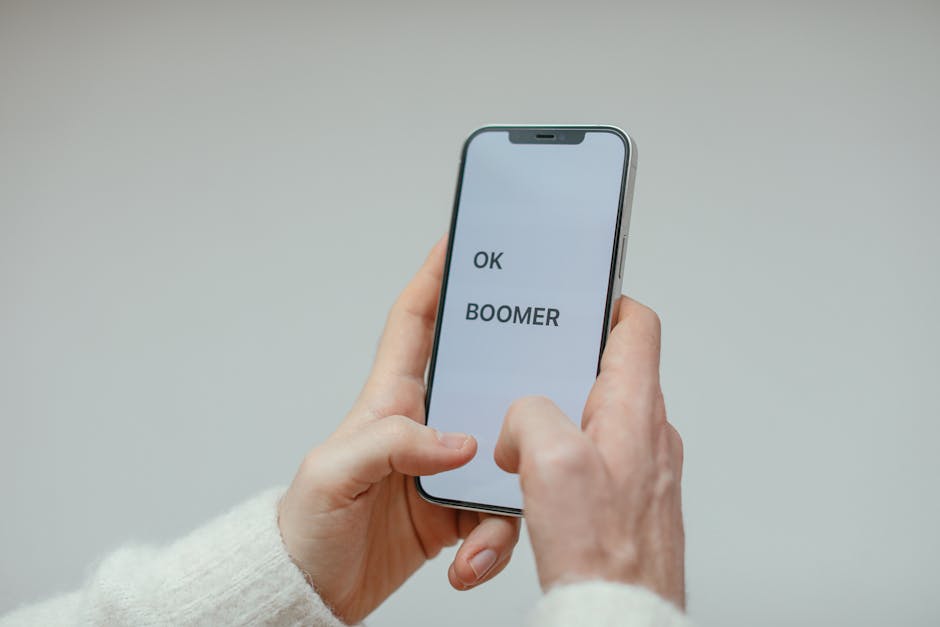
- 90% of online users aged 13-35 have shared a meme in the past month, showcasing meme’s widespread influence.
- Memes have infiltrated everyday conversations, redefining humor and irony in modern culture.
- The ‘Distracted Boyfriend’ meme symbolizes relatable struggles, becoming a cultural sensation.
- Memes have created a new form of internet slang, integrating terms like ‘lit,’ ‘ghost,’ and ‘salty.’
- Memes enable rapid dissemination of ideas and cultural references, creating a shared global experience.
The internet’s ability to create and disseminate memes has reached unprecedented levels, with over 90% of online users aged 13-35 having shared a meme in the past month. This phenomenon is not limited to social media platforms, as memes have begun to infiltrate our everyday conversations, influencing the way we communicate and interact with each other. The sheer volume and velocity of meme creation have led to a cultural shift, where humor and irony are being redefined. For instance, the ‘Distracted Boyfriend’ meme, which originated on Reddit, has become a cultural sensation, symbolizing the relatable struggle of being tempted by something or someone. The fact that memes have become an integral part of our online and offline lives raises important questions about their impact on our culture and society.
The Meme-ification of Language

The rise of memes has significant implications for the way we communicate, as they often rely on references, irony, and wordplay. Memes have created a new form of internet slang, with terms like ‘lit,’ ‘ghost,’ and ‘salty’ becoming an integral part of online vocabulary. The use of memes in language has also led to the creation of new forms of humor, such as ‘dank’ memes, which often rely on absurdity and surrealism. Furthermore, the proliferation of memes has enabled the rapid dissemination of ideas and cultural references, allowing them to spread quickly across the globe. This has created a shared cultural experience, where people from different backgrounds and countries can connect and laugh together over a common meme. However, the meme-ification of language also raises concerns about the homogenization of culture and the potential loss of traditional forms of communication.
Memes in the Mainstream

Memes have transcended their origins in online communities and are now being used by mainstream institutions, including politicians, brands, and media outlets. The White House, for example, has used memes to promote policy initiatives, such as the ‘Tax Cuts and Jobs Act,’ which was marketed using a meme featuring a cartoon character. Similarly, brands like Wendy’s and Burger King have used memes to engage with their customers and create a sense of brand awareness. The use of memes by mainstream institutions has helped to further legitimize their place in popular culture, but it also raises questions about the authenticity and sincerity of these efforts. Are memes being used as a genuine form of communication, or are they simply a marketing tool designed to appeal to a younger demographic?
The Psychology of Memes
Researchers have begun to study the psychology of memes, attempting to understand why they are so effective at spreading and sticking in our minds. One theory is that memes tap into our desire for social connection and community, providing a shared experience that transcends geographical and cultural boundaries. Memes also often rely on emotional triggers, such as humor, surprise, or nostalgia, which can create a strong psychological response. Furthermore, the internet’s algorithmic feedback loops, which prioritize content that is likely to engage and provoke, have created an environment in which memes can spread rapidly and reach a large audience. The psychology of memes is complex and multifaceted, but it is clear that they have a profound impact on our online and offline behaviors.
The Cultural Implications
The implications of memes on our culture are far-reaching and profound. Memes have created a new form of cultural production, where users can create and disseminate content that is often humorous, ironic, or satirical. This has democratized the creation of culture, allowing anyone with an internet connection to participate and contribute. However, the meme-ification of culture also raises concerns about the devaluation of traditional forms of art and entertainment. If memes are the primary form of cultural expression, do we risk losing the nuance and complexity of more traditional forms of art? Furthermore, the spread of memes has also led to the creation of ‘meme wars,’ where different groups and ideologies clash online, often using memes as a form of propaganda or social commentary.
Expert Perspectives
Experts are divided on the impact of memes on our culture and society. Some argue that memes are a positive force, providing a new form of creative expression and social connection. Others are more critical, arguing that memes are a symptom of a broader cultural malaise, where people are more interested in humor and irony than in engaging with serious issues. According to Dr. Whitney Phillips, a researcher who has studied the phenomenon of memes, ‘Memes are a reflection of our cultural values and priorities. They reveal what we find funny, what we find relatable, and what we find meaningful.’ However, others, like cultural critic, Jonathan McIntosh, argue that ‘Memes are a form of cultural junk food, providing a quick fix of humor and entertainment, but lacking in nutritional value or substance.’
As we look to the future, it is clear that memes will continue to play a significant role in shaping our culture and society. The question is, what does this mean for our collective future? Will memes continue to be a positive force, providing a new form of creative expression and social connection? Or will they contribute to the further degradation of our cultural discourse, replacing nuance and complexity with humor and irony? Only time will tell, but one thing is certain – memes are here to stay, and their impact will be felt for years to come.