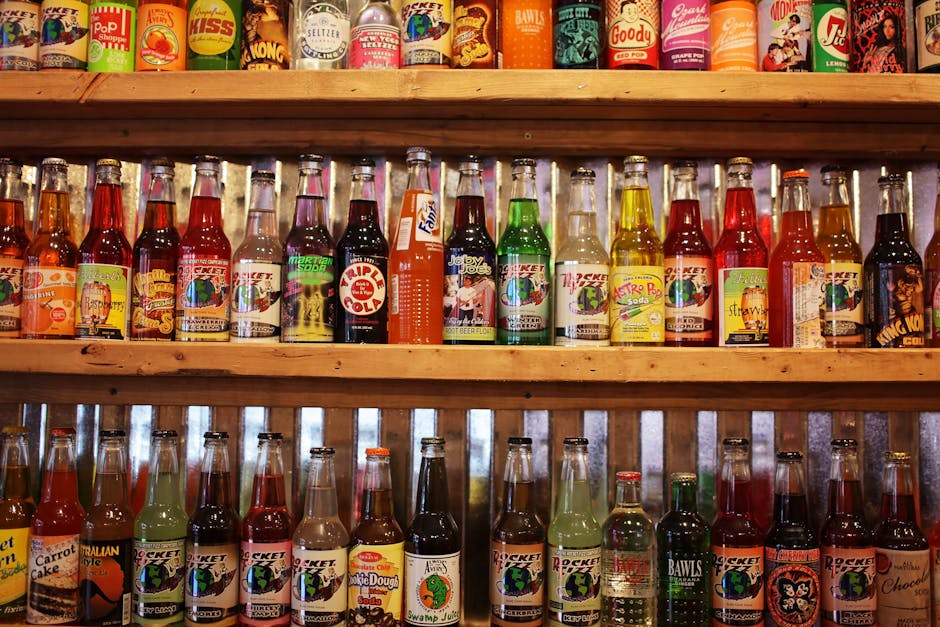
- Artificially sweetened drinks can aid in weight reduction when used as a substitute for sugary beverages.
- Replacing sugary drinks with artificially sweetened alternatives can lead to notable weight loss, according to a recent study.
- Even small changes to daily habits, such as switching to artificially sweetened drinks, can have a profound impact on overall health.
- The consumption of sugary drinks has been linked to a range of health issues, including type 2 diabetes and heart disease.
- Artificially sweetened drinks can be a useful substitute for sugary beverages in the fight against obesity.
A striking fact has emerged in the quest for effective weight loss strategies: artificially sweetened drinks can play a significant role in shedding pounds. According to a recent study, individuals who replaced sugary beverages with artificially sweetened alternatives experienced notable weight loss. This finding has sparked renewed interest in the potential benefits of artificial sweeteners, which have long been a subject of debate among health experts. With the global obesity epidemic showing no signs of abating, any viable solution is worth exploring. The study’s results are particularly noteworthy, as they suggest that even small changes to daily habits, such as switching from sugary drinks to artificially sweetened ones, can have a profound impact on overall health.
The Significance of Sugary Drink Consumption

The consumption of sugary drinks has been widely recognized as a major contributor to the growing obesity problem. These beverages are high in empty calories, lacking in essential nutrients, and have been linked to an increased risk of various health issues, including type 2 diabetes and heart disease. As a result, health experts have been urging individuals to limit their intake of sugary drinks and opt for healthier alternatives instead. The new study’s findings are particularly relevant in this context, as they provide evidence that artificially sweetened drinks can be a useful substitute for sugary beverages. By making this simple switch, individuals can significantly reduce their daily calorie intake and take a crucial step towards achieving their weight loss goals.
Key Findings and Implications

The study in question involved a comprehensive analysis of existing research on the relationship between artificially sweetened drink consumption and weight loss. The results were clear: participants who drank artificially sweetened beverages experienced significant weight loss compared to those who continued to consume sugary drinks. The study’s authors noted that this effect was particularly pronounced among individuals who were overweight or obese at the outset. While the findings are promising, it is essential to note that artificially sweetened drinks are not a magic bullet for weight loss. A balanced diet and regular exercise remain essential components of any successful weight loss strategy. Nevertheless, the study’s results suggest that artificially sweetened drinks can be a useful tool in the quest for a healthier lifestyle.
Expert Analysis and Insights
Experts in the field of nutrition and public health have welcomed the study’s findings, noting that they provide valuable insights into the potential benefits of artificially sweetened drinks. However, some have also sounded a note of caution, emphasizing that these beverages should not be seen as a replacement for water, which remains the best choice for overall health. The American Heart Association recommends that women consume no more than 25 grams (6 teaspoons) of added sugars per day, while men should limit their intake to no more than 36 grams (9 teaspoons) per day. Artificially sweetened drinks can be a useful way to stay within these limits, but they should not be relied upon as the primary source of hydration.
Broader Implications and Future Directions
The study’s findings have significant implications for public health policy and education initiatives. If artificially sweetened drinks can be shown to aid in weight loss efforts, they may be a useful tool in the fight against obesity. However, it is essential to ensure that individuals are not relying too heavily on these beverages, and that they are instead adopting a balanced approach to nutrition and hydration. As the global health community continues to grapple with the challenges posed by obesity and related health issues, the study’s results provide a timely reminder of the importance of considering all available options in the pursuit of better health.
Expert Perspectives
Experts in the field of nutrition and public health have offered contrasting viewpoints on the study’s findings. Some have hailed the results as a major breakthrough, noting that they provide a valuable new tool in the fight against obesity. Others have expressed caution, emphasizing that artificially sweetened drinks are not a substitute for a balanced diet and regular exercise. As one expert noted, “While artificially sweetened drinks may be a useful aid in weight loss efforts, they should not be seen as a magic bullet. A healthy lifestyle requires a comprehensive approach, incorporating a balanced diet, regular exercise, and sensible hydration habits.”
Looking to the future, it is clear that further research is needed to fully understand the potential benefits and limitations of artificially sweetened drinks. As the global health community continues to evolve, it is likely that new findings and insights will emerge, shedding further light on the complex relationships between nutrition, hydration, and overall health. For now, the study’s results provide a valuable reminder of the importance of considering all available options in the pursuit of better health, and of adopting a balanced and informed approach to nutrition and hydration.