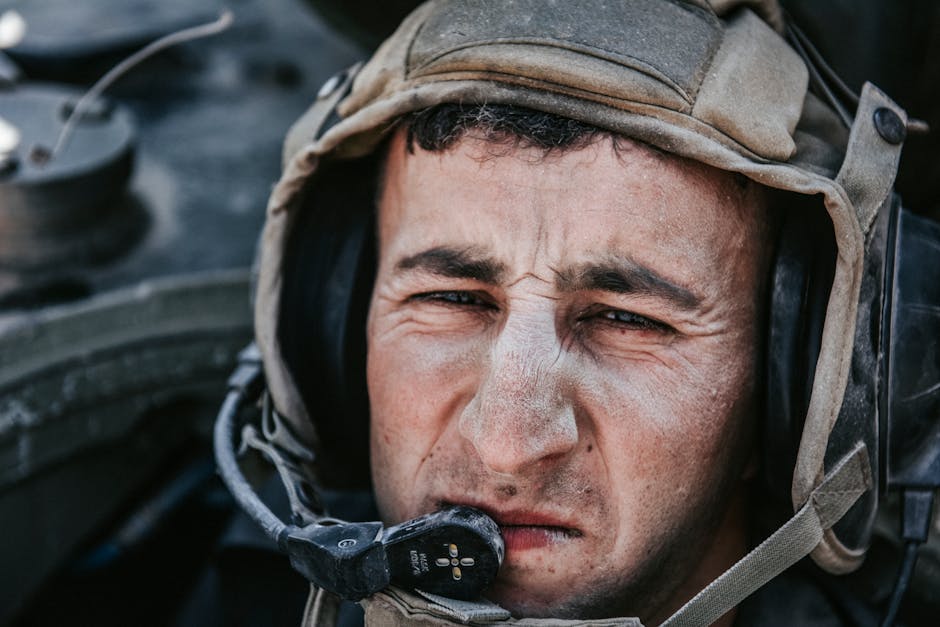
- Global conflict has risen by 25% in the past year, leading to thousands of deaths and millions of displaced people.
- Escalating tensions and violence, driven by nationalist and extremist ideologies, have created a toxic environment for conflict to thrive.
- The competition for resources, territory, and influence has led to a rise in proxy wars, sectarian violence, and other forms of conflict.
- The consequences of conflict are being felt far beyond the immediate regions affected, due to the increasing interconnectedness of the world.
- The international community must examine the underlying causes and consequences of this trend to promote diplomacy and understanding.
The world is experiencing a significant surge in conflict, with the number of violent clashes and wars rising by 25% in the past year alone. This disturbing trend has resulted in thousands of deaths, millions of displaced people, and a profound impact on global stability and security. The increase in conflict is a stark reminder of the fragility of peace and the need for sustained efforts to promote diplomacy and understanding. As the international community grapples with the challenges posed by rising conflict, it is essential to examine the underlying causes and consequences of this trend.
Escalating Tensions and Violence

The current surge in conflict is not an isolated phenomenon, but rather the culmination of escalating tensions and violence that have been building over several years. The rise of nationalist and extremist ideologies, combined with the proliferation of weapons and the erosion of international norms, has created a toxic environment in which conflict can thrive. Furthermore, the increasing competition for resources, territory, and influence has led to a rise in proxy wars, sectarian violence, and other forms of conflict. As the world becomes increasingly interconnected, the consequences of conflict are being felt far beyond the immediate regions affected.
Key Conflict Zones

Some of the most significant conflict zones include the Middle East, where the ongoing wars in Syria, Yemen, and Libya have resulted in devastating humanitarian crises. The conflict in Ukraine has also led to a significant escalation of tensions between Russia and the West, while the rise of extremist groups in Africa has posed a major threat to regional stability. In Asia, the dispute over the South China Sea has led to increased tensions between China and its neighbors, and the conflict in Kashmir has resulted in significant human rights abuses. These conflicts have complex and deeply entrenched roots, involving a range of historical, cultural, and economic factors.
Causes and Consequences
The causes of the current surge in conflict are complex and multifaceted, involving a range of factors including political, economic, and social issues. The erosion of international norms and the rise of nationalist ideologies have contributed to a decline in diplomacy and an increase in aggressive behavior. Climate change, poverty, and inequality have also played a significant role in fueling conflict, as competition for resources and territory becomes increasingly intense. The consequences of conflict are far-reaching, resulting in significant human suffering, economic destruction, and environmental degradation. The international community must take a comprehensive and sustained approach to addressing the root causes of conflict, including promoting diplomacy, reducing inequality, and addressing the impacts of climate change.
Global Implications
The surge in conflict has significant implications for global stability and security, posing a major threat to international peace and prosperity. The rise of extremist groups and the proliferation of weapons have increased the risk of terrorism and violence, while the erosion of international norms has undermined the rule of law and human rights. The conflict has also resulted in a significant increase in refugee flows, placing a major burden on host countries and requiring a coordinated international response. As the world grapples with the challenges posed by rising conflict, it is essential to prioritize diplomacy, cooperation, and sustainable development to promote a more peaceful and stable world.
Expert Perspectives
Experts warn that the current surge in conflict is a wake-up call for the international community, requiring a comprehensive and sustained response to address the root causes of violence and promote diplomacy and understanding. While some argue that military intervention is necessary to stabilize conflict zones, others emphasize the need for a more nuanced approach that prioritizes political and economic development. As the world looks to the future, it is clear that a new era of international cooperation and diplomacy is needed to address the complex challenges posed by rising conflict.
Looking ahead, the international community must prioritize a range of initiatives to promote peace and stability, including diplomatic efforts to resolve conflicts, economic development programs to reduce inequality, and environmental initiatives to address the impacts of climate change. As the world navigates this complex and challenging landscape, one thing is clear: the need for sustained and coordinated action to promote peace, stability, and prosperity has never been more urgent. The open question is whether the international community will be able to rise to this challenge, or whether the surge in conflict will continue to undermine global stability and security.