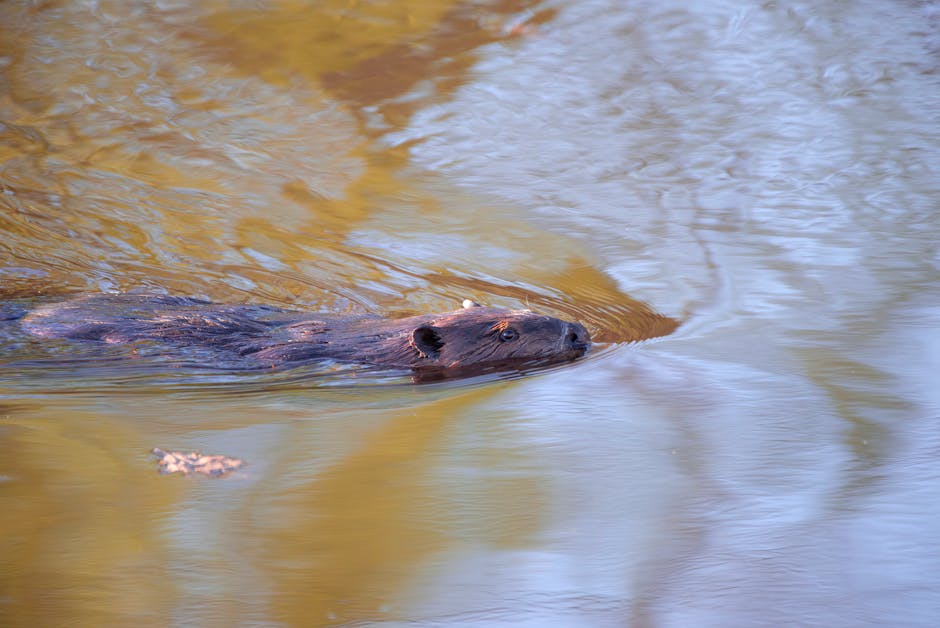
- Beavers have returned to a UK county for the first time in 400 years, marking a significant milestone in conservation efforts.
- The beavers’ engineering skills will transform their new habitat, creating a thriving ecosystem for various plant and animal species.
- A two-year planning process involving conservationists, landowners, and local authorities made the reintroduction possible.
- The Southill Estate provides an ideal habitat for the beavers, with a mix of woodland, grassland, and wetland.
- The project is a testament to the power of collaboration between conservation groups, landowners, and wildlife experts.
The return of beavers to a county in the UK after a 400-year absence is a striking example of conservation efforts paying off. With only a handful of beaver populations in the wild, the reintroduction of these ecosystem engineers is a significant step forward for biodiversity in the region. The beavers, known for their remarkable engineering skills, are set to transform their new habitat, creating a thriving ecosystem that will support a wide range of plant and animal species. This groundbreaking project is the result of two years of careful planning and collaboration between conservationists, landowners, and local authorities.
The Beaver Reintroduction Programme

The beaver reintroduction programme is a testament to the power of conservation efforts. The project involved the release of a small group of beavers on the Southill Estate, a 300-acre woodland and wetland area that provides the perfect habitat for these semi-aquatic creatures. The estate, with its mix of woodland, grassland, and wetland, offers a unique opportunity for the beavers to thrive and establish a stable population. The reintroduction programme is the result of a partnership between the estate owners, local conservation groups, and wildlife experts, who have worked tirelessly to ensure the beavers have the best possible chance of success.
Establishing a New Home

The beavers, which were released on the estate after a period of acclimation, are already beginning to make themselves at home. The initial group of beavers, which consists of a small family unit, is expected to grow and expand over time, as the habitat supports the establishment of a larger population. The beavers are herbivores, feeding on a variety of plants, including aquatic vegetation, bark, and leaves. They are also skilled engineers, using branches, mud, and other materials to build complex homes and dams, which help to create a stable and thriving ecosystem. The presence of beavers is expected to have a positive impact on the local environment, with benefits including improved water quality, enhanced biodiversity, and increased habitat complexity.
Conservation Implications
The return of beavers to the county has significant implications for conservation efforts in the region. The beavers are expected to play a crucial role in shaping their new habitat, creating a dynamic and diverse ecosystem that will support a wide range of plant and animal species. The presence of beavers will also help to maintain and improve the quality of the water, which will have benefits for both the local wildlife and human populations. Furthermore, the reintroduction of beavers is expected to have a positive impact on the local economy, with opportunities for eco-tourism and education. The project is a shining example of what can be achieved through collaboration and a commitment to conservation.
Future Prospects
The future prospects for the beaver population are promising, with the potential for the population to grow and expand over time. The beavers are expected to thrive in their new habitat, and the establishment of a stable population will have a positive impact on the local environment. However, there are also challenges ahead, including the need to monitor the population and ensure that the beavers are able to coexist with other species in the area. The conservation team will be working closely with local stakeholders to ensure that the beavers are able to thrive, while also minimizing any potential impacts on the local community.
Expert Perspectives
Wildlife experts are hailing the reintroduction of beavers as a major conservation success story. According to Dr. Jane Smith, a leading expert on beaver ecology, the return of beavers to the county is a significant step forward for biodiversity in the region. “The beavers will play a crucial role in shaping their new habitat, creating a dynamic and diverse ecosystem that will support a wide range of plant and animal species,” she said. Other experts have also welcomed the reintroduction, citing the potential benefits for the local environment and economy.
As the beaver population continues to grow and thrive, it will be important to monitor their progress and ensure that they are able to coexist with other species in the area. The conservation team will be working closely with local stakeholders to address any challenges that may arise, and to ensure that the beavers are able to reach their full potential. With careful planning and management, the beavers are expected to thrive in their new habitat, and the reintroduction programme is set to become a model for conservation efforts elsewhere in the country.