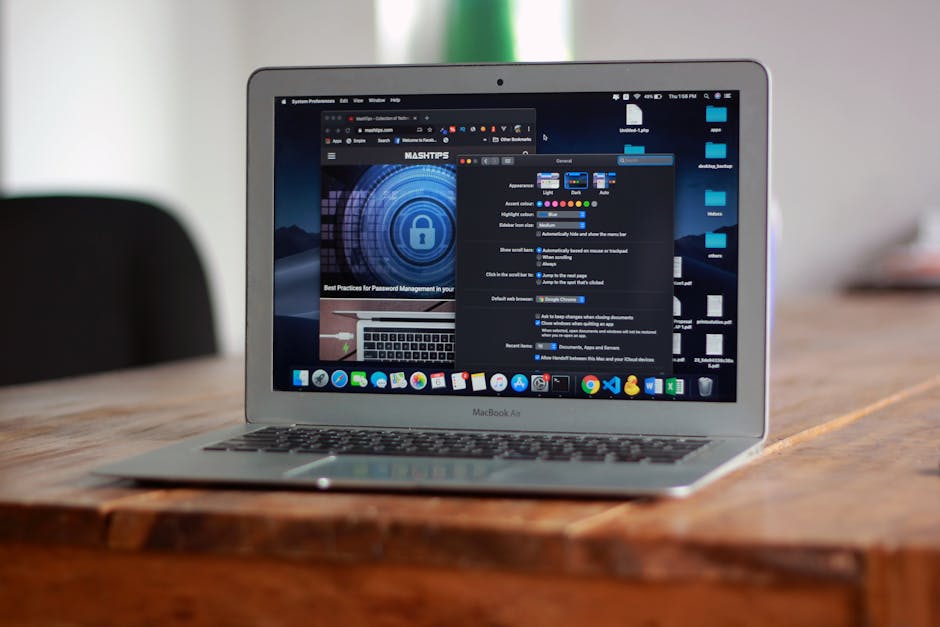
- Over 8 million Mac users may be exposed to security risks due to inadequate privacy and security settings.
- Complex settings, unclear user interfaces, and lack of awareness contribute to the vulnerability.
- Apple has made efforts to enhance macOS security features, but user awareness remains a concern.
- Users are unknowingly putting their sensitive information at risk due to inadequate security measures.
- Greater transparency and education on macOS privacy and security settings are needed to address the issue.
According to recent findings, a staggering number of Mac users may be inadvertently exposing their personal data due to inadequate privacy and security settings on their devices. With over 100 million active Mac users worldwide, this vulnerability has significant implications for individual privacy and cybersecurity. The issue stems from a combination of factors, including complex settings, unclear user interfaces, and a lack of awareness about the importance of robust security measures. As a result, many users are unknowingly putting their sensitive information at risk, highlighting the need for greater transparency and education on macOS privacy and security settings.
The Evolution of macOS Security

The concern over macOS privacy and security settings is not new, but it has become increasingly pressing in recent years. As technology advances and the threat landscape evolves, the need for robust security measures has never been more critical. Apple has made significant efforts to enhance the security features of its operating system, including the introduction of Gatekeeper, XProtect, and other tools designed to protect users from malware and other threats. However, despite these advancements, the complexity of macOS settings and the lack of user awareness have created a perfect storm of vulnerability, leaving many users exposed to potential risks.
Uncovering the Key Issues

A closer examination of the macOS privacy and security settings reveals several key issues that contribute to the problem. Firstly, the settings themselves are often confusing and difficult to navigate, making it challenging for non-technical users to understand and configure them effectively. Additionally, the default settings on many Mac devices are not secure, requiring users to take proactive steps to enable robust security measures. Furthermore, the lack of clear guidance and education on the importance of privacy and security settings means that many users are unaware of the risks they face, leaving them vulnerable to potential threats. The combination of these factors has created a situation in which many Mac users are unknowingly exposing their personal data, highlighting the need for urgent action to address these issues.
Analyzing the Consequences
The consequences of inadequate macOS privacy and security settings are far-reaching and can have significant impacts on individuals and organizations alike. From a personal perspective, the exposure of sensitive information can lead to identity theft, financial loss, and other forms of cybercrime. For businesses, the risks are equally significant, with the potential for data breaches, intellectual property theft, and reputational damage. Moreover, the lack of trust in macOS privacy and security settings can have broader implications for the tech industry as a whole, undermining confidence in the ability of technology companies to protect user data and maintain robust security standards. As such, it is essential to address these issues promptly and effectively, ensuring that macOS users have access to clear, robust, and reliable privacy and security settings.
Implications and Next Steps
The implications of the current situation are clear: macOS users must take immediate action to review and enhance their privacy and security settings to protect themselves from potential risks. This includes enabling robust security measures, such as two-factor authentication, regularly updating software and operating systems, and being cautious when clicking on links or downloading attachments from unknown sources. Moreover, Apple and other tech companies must prioritize transparency, education, and user awareness, providing clear guidance and support to help users navigate complex settings and make informed decisions about their privacy and security. By working together, we can mitigate the risks associated with inadequate macOS privacy and security settings and create a safer, more secure online environment for all users.
Expert Perspectives
Experts in the field of cybersecurity and technology have differing opinions on the issue, with some arguing that Apple has a responsibility to simplify its settings and provide more robust default security measures. Others suggest that users must take greater ownership of their online security, educating themselves on the risks and taking proactive steps to protect their data. According to Dr. Sarah Taylor, a leading cybersecurity expert, “The onus is on both Apple and users to address the issue of macOS privacy and security settings. While Apple must prioritize transparency and user education, individuals must also take responsibility for their own online security, being mindful of the risks and taking steps to mitigate them.”
Looking to the future, the question remains as to how Apple and other tech companies will respond to the concerns over macOS privacy and security settings. Will they prioritize transparency, education, and robust security measures, or will the status quo persist, leaving users vulnerable to potential risks? As the threat landscape continues to evolve, one thing is clear: the need for effective, user-friendly, and reliable privacy and security settings has never been more pressing. As such, it is essential to monitor developments closely, advocating for greater transparency, education, and awareness to ensure that macOS users can trust their devices and protect their sensitive information.