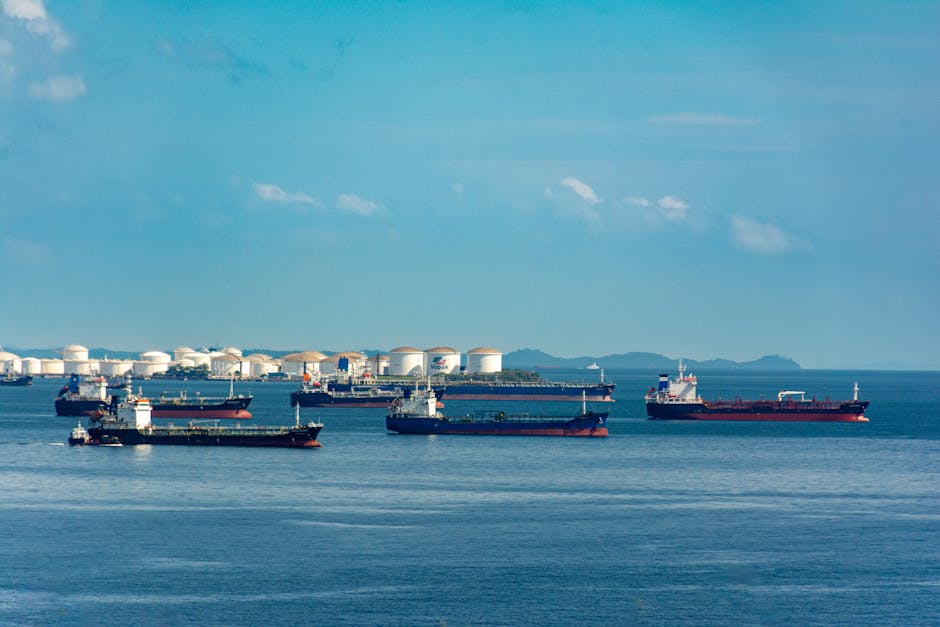
- The Strait of Hormuz is a vital shipping waterway, is at the center of tensions between Iran and the international community.
- The strait is crucial for global energy markets, with nearly 20% of the world’s oil passing through it.
- A closure or disruption of the strait would have significant consequences for global energy markets, leading to increased oil prices and potential shortages.
- The current situation, with few ships using the strait, has raised concerns about the potential for a prolonged disruption to oil supplies.
- The uncertainty surrounding the strait’s status has led to a decline in shipping traffic and increased tensions in the region.
The Strait of Hormuz, a vital shipping waterway, has been at the center of tensions between Iran and the international community. With nearly 20% of the world’s oil passing through it, the strait’s status is crucial for global energy markets. Recently, there have been conflicting reports about the status of the strait, with some claiming it has reopened, while others say it remains closed. Despite the cease-fire with Iran, the situation remains uncertain, leaving the shipping industry and oil markets on high alert.
The Strait of Hormuz: A Critical Waterway

The Strait of Hormuz is a narrow waterway that connects the Persian Gulf to the Gulf of Oman, making it a critical passage for oil tankers and other ships. The strait’s importance cannot be overstated, as it is the primary route for oil exports from Iran, Iraq, and other Gulf states. The strait’s closure or disruption would have significant consequences for global energy markets, leading to increased oil prices and potential shortages. The current situation, with few ships using the strait, has raised concerns about the potential for a prolonged disruption to oil supplies.
Conflicting Reports and Uncertainty

Despite the cease-fire with Iran, there are conflicting reports about the status of the Strait of Hormuz. Some sources claim that the strait has reopened, while others say it remains closed to shipping traffic. The uncertainty surrounding the strait’s status has led to a decline in shipping traffic, with few vessels willing to risk navigating the waterway. The lack of clarity has also made it difficult for oil markets to respond, with prices fluctuating wildly in response to rumors and unconfirmed reports. As the situation continues to unfold, it is clear that the Strait of Hormuz will remain a flashpoint for tensions between Iran and the international community.
Causes and Consequences of the Disruption
The current disruption to shipping traffic in the Strait of Hormuz is the result of a complex interplay of factors, including geopolitical tensions, military actions, and economic sanctions. The cease-fire with Iran has helped to reduce tensions, but the underlying issues remain unresolved. The consequences of the disruption are far-reaching, with potential impacts on global energy markets, oil prices, and the broader economy. As the situation continues to evolve, it is essential to understand the causes and consequences of the disruption, as well as the potential risks and opportunities that arise from it.
Implications for Global Energy Markets
The disruption to shipping traffic in the Strait of Hormuz has significant implications for global energy markets. With few ships using the strait, oil supplies are being disrupted, leading to increased prices and potential shortages. The situation is being closely watched by oil markets, with prices responding to every rumor and unconfirmed report. The implications of the disruption are not limited to oil markets, however, as it also has the potential to impact the broader economy. As the situation continues to unfold, it is essential to consider the potential implications for global energy markets and the economy as a whole.
Expert Perspectives
Experts are divided on the implications of the Strait of Hormuz’s status, with some arguing that the cease-fire with Iran is a positive step towards resolving the crisis, while others believe that the situation remains uncertain and potentially volatile. According to some analysts, the strait’s reopening is a significant development, but it is unlikely to lead to a rapid return to normal shipping traffic. Others argue that the situation is more complex, with multiple factors at play, and that the strait’s status is just one aspect of a broader geopolitical and economic landscape.
As the situation continues to evolve, it is clear that the Strait of Hormuz will remain a critical factor in global energy markets and geopolitics. The key question is what will happen next, and how the international community will respond to the ongoing uncertainty. Will the cease-fire with Iran hold, and will shipping traffic return to normal, or will the situation escalate, leading to further disruptions and potential conflict? Only time will tell, but one thing is certain: the Strait of Hormuz will remain a flashpoint for tensions and a critical factor in global energy markets for the foreseeable future.